Aurélien Bory, artist, director and scenographer. He lives in Toulouse and works internationally. He is the artistic director of Compagnie 111.
- 2000 : IJK
- 2003 : Plan B Aurélien Bory / Phil Soltanoff
- 2004 : Taoub, with Le Groupe acrobatique de Tanger- Maroc
- 2005 : More or less infinity , Aurélien Bory / Phil Soltanoff
- 2007 : The Seven Boards of Cunning, with artists from the Dalian Opera – China
- 2008 : Questcequetudeviens? for Stéphanie Fuster.
- 2009 : Not applicable
- 2011 : Rubber geometry
- 2012 : Plexus for Kaori Ito.
- 2013 : Azimut, with the Tangier-Morocco acrobatic group
- 2016 : Species
- 2018: aSH for Shantala Shivalingappa
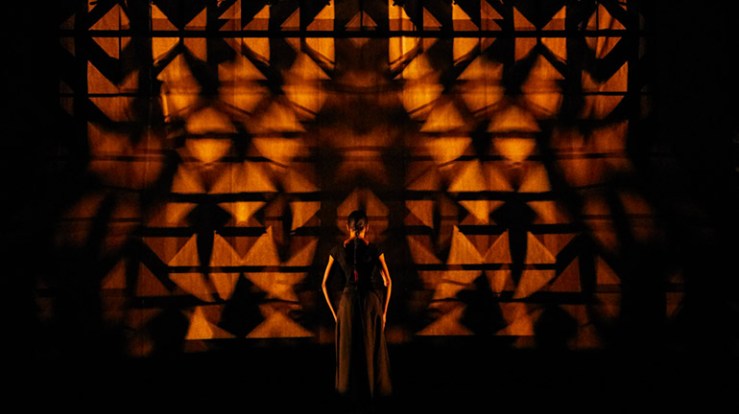
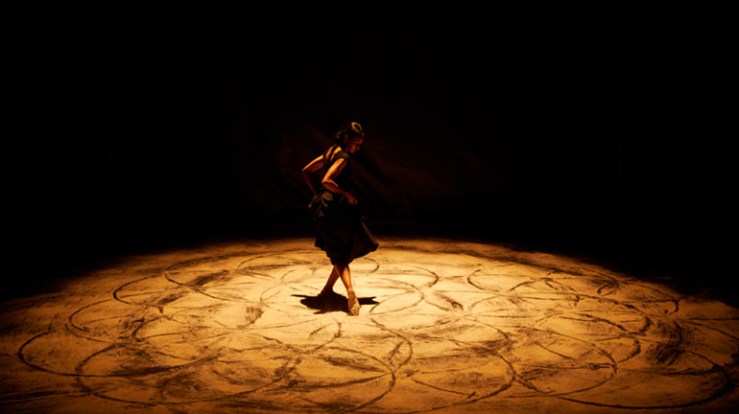
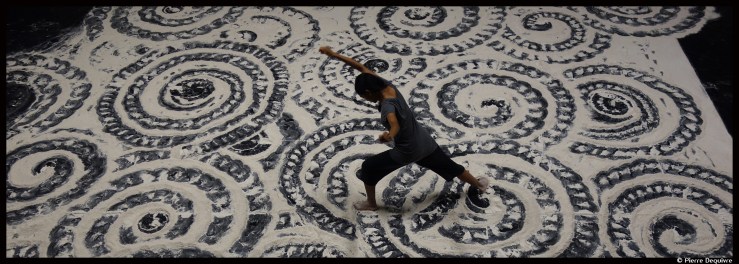
Aurélien Bory collaborates with the charismatic Indian dancer, Shantala Shivalingappa in this exquisite solo infused with poetry and spirituality. Embodying the majestic figure of Shiva, Shivalingappa dances on a blanket of ash, a symbol of the cycle of life, her pure and sensual movements forming mandalas beneath her feet. Tracing her journey from her ancestral Indian dance, Kuchipudi, to the contemporary dance that has earned her international recognition, aSH is a remarkable fusion of Western and Asian cultures, a miracle of poetry in motion.
https://www.cie111.com/en/spectacles/ash

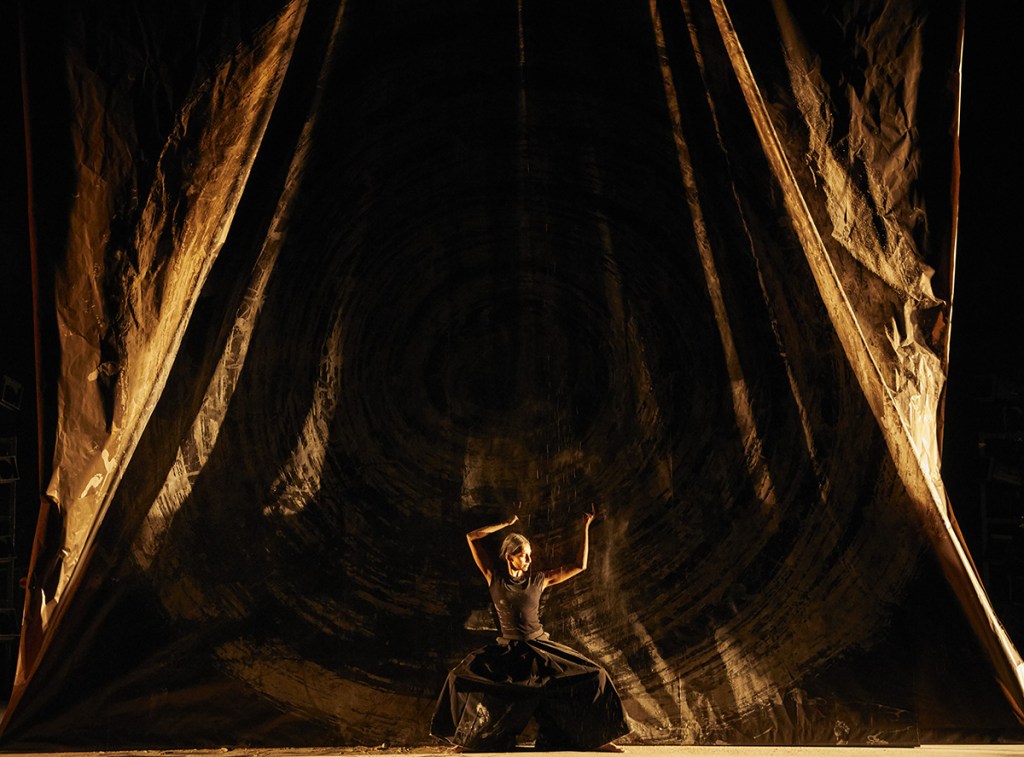
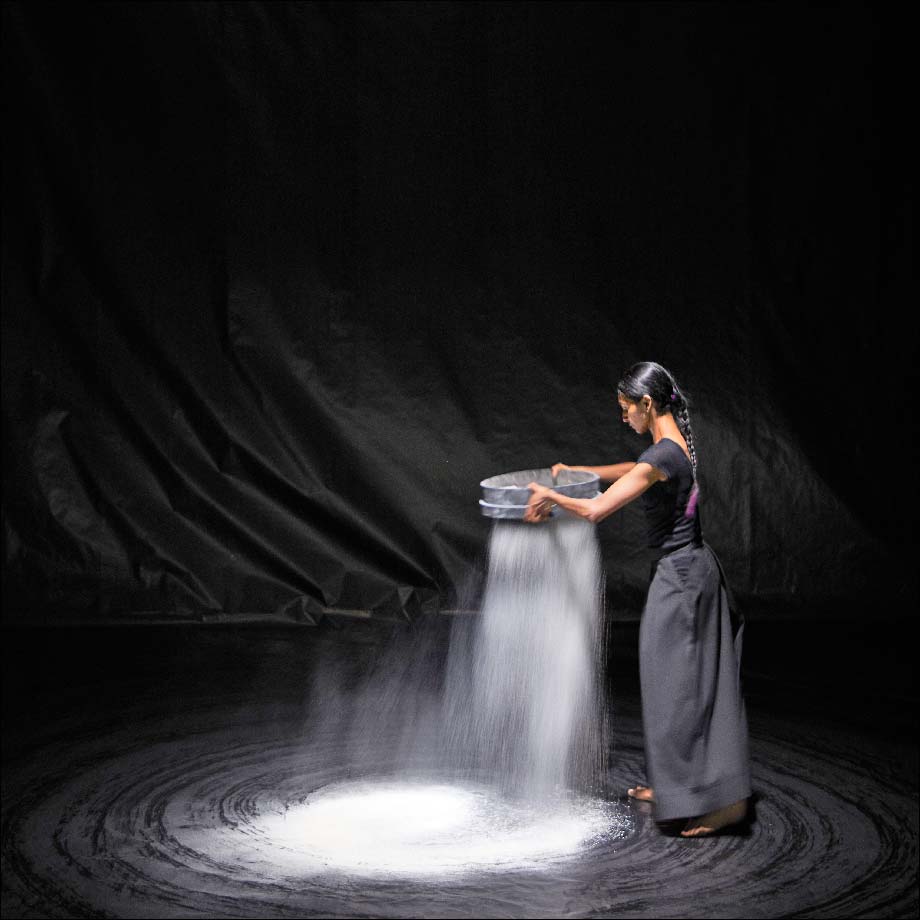
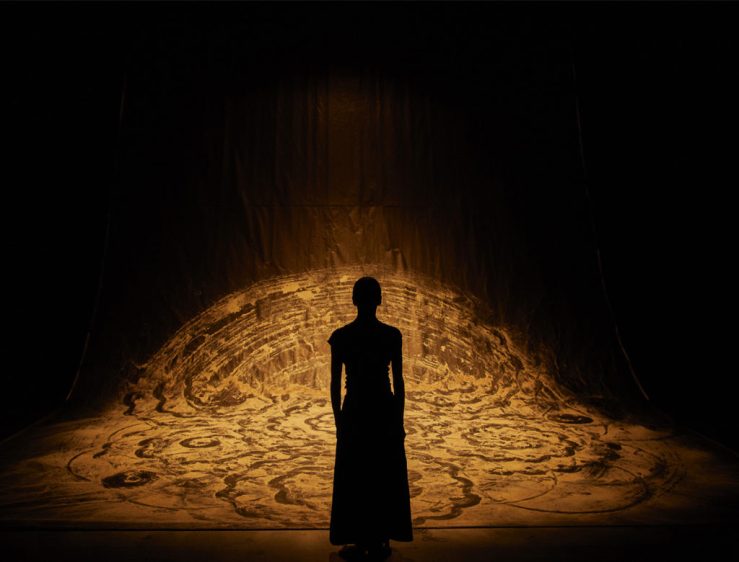
Along with his Compagnie 111, Aurélien Bory has gained a reputation as a poet of space and a wizard of staging; an artist capable of blending elements of dance, music, magic and circus in his visual theatre.
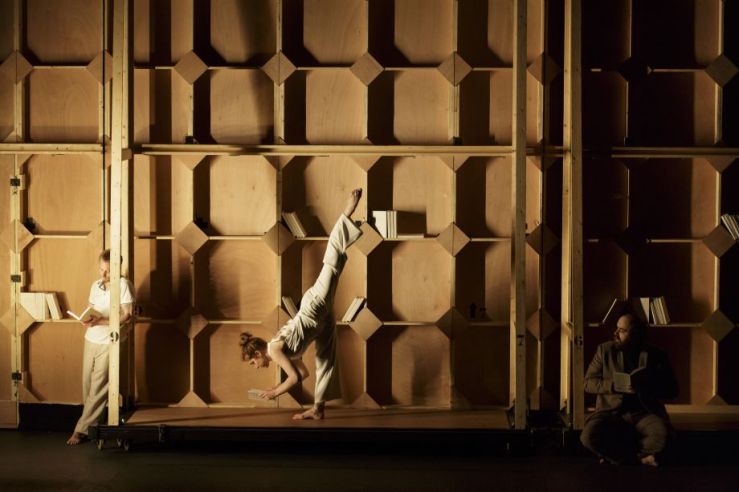
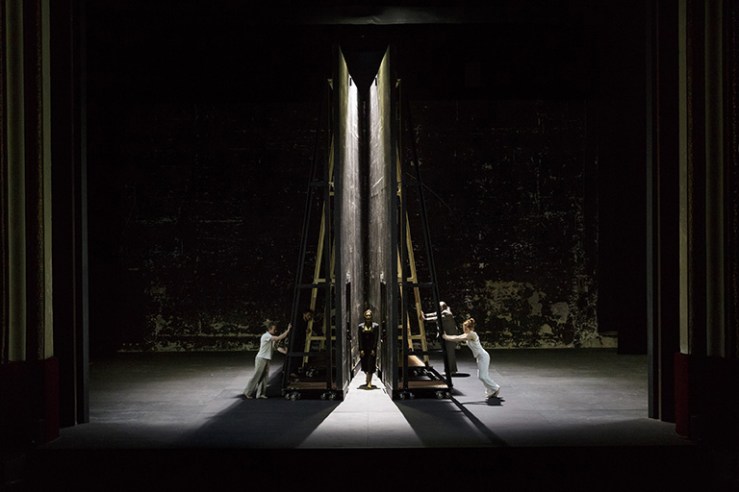
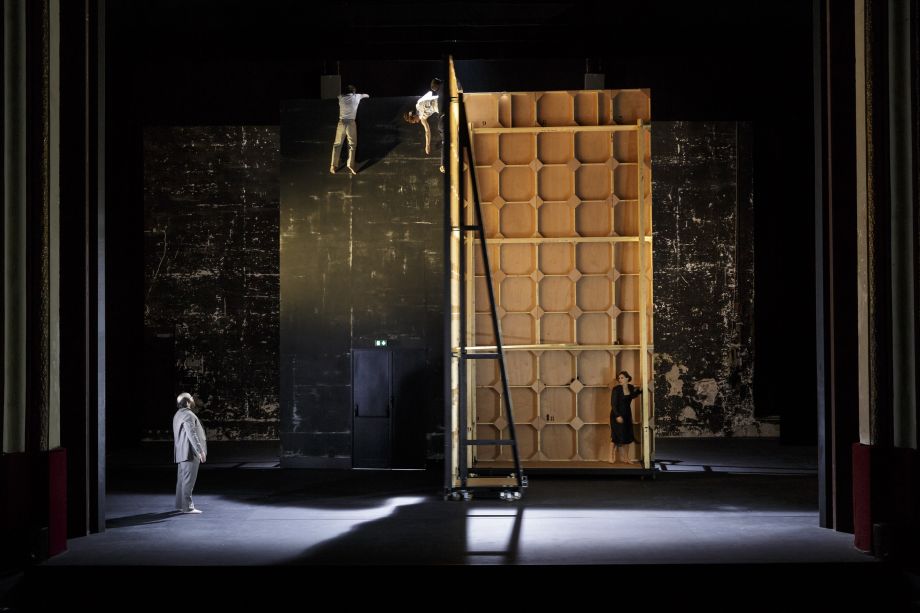
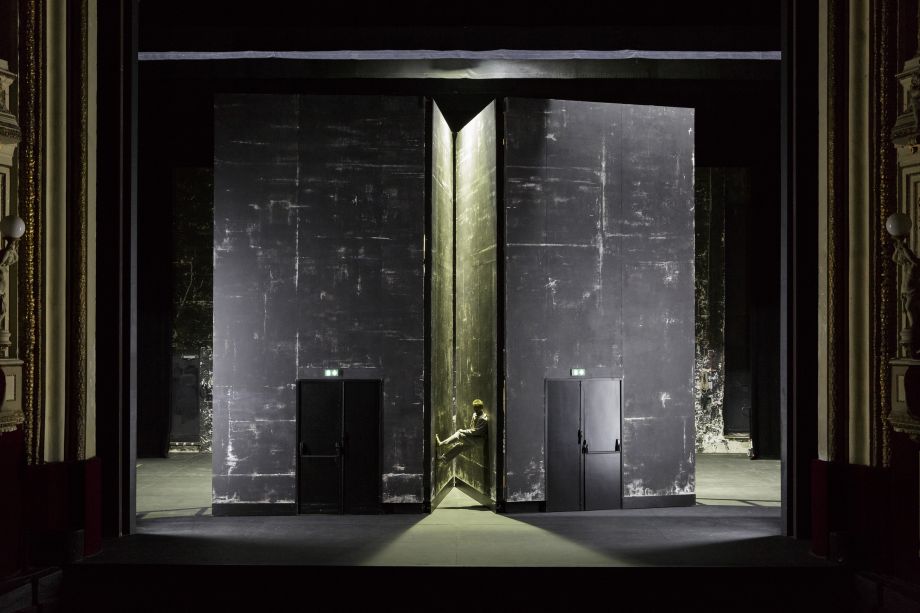
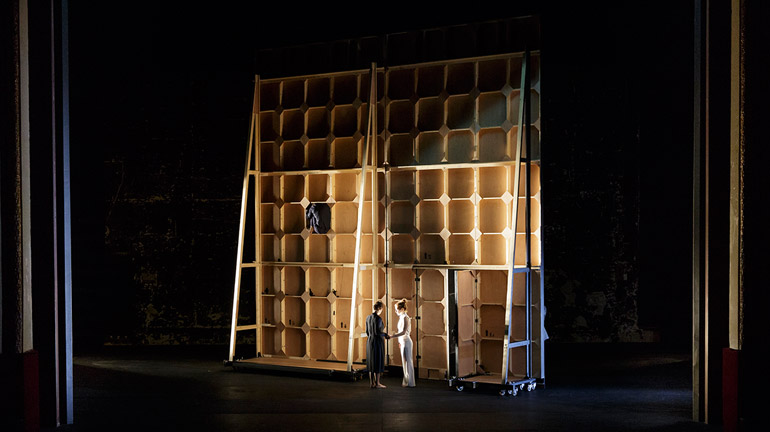
Created from the comparison with Species of Space – Espèces d’espace by Georges Perec, Espæce (note the overlapping of the two terms that make up the title of the book) is therefore the natural continuation of this artistic path.
With acrobat Guilhem Benoit, dancer Mathieu Desseigne Ravel, contortionist Katell Le Brenn, opera singer Claire Lafilliatre and actor Olivier Martin Salvan, Bory has composed a real tribute to the French writer – who was orphaned at a tender age following the death of his father in war and his mother’s deportation to Auschwitz – in a jigsaw puzzle of faded memories, allusions, voids and absences.
If the theatrical scene is used here to replace the paper pages that make up the famous text, then the hyperbolic language games of Perec are returned through the manipulation of all of its mathematical tools. A new vision machine capable of creating irony, emotion and wonder, or a poetic journey through the many landscapes of our existence.
https://www.cie111.com/en/spectacles/espaece
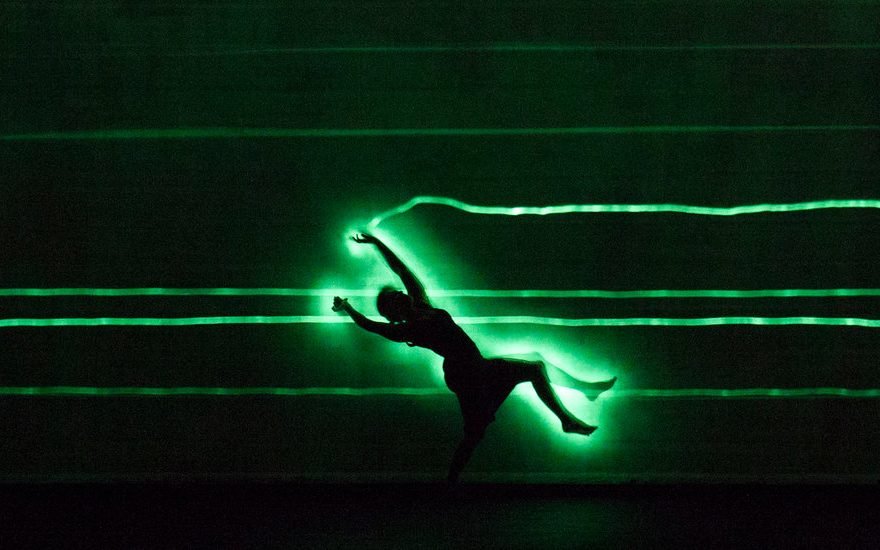
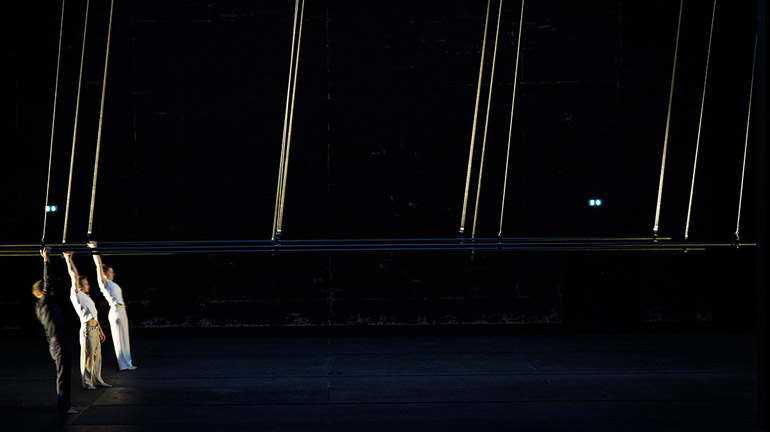
Freely based on the figure of Sidi Ahmed Ou Moussa
Moroccan acrobats are called “the children of Sidi Ahmed Ou Moussa”. He was an eminent 16th century Sufi thinker, whose grave has become a pilgrimage shrine. He is regarded as the Patron Saint of Moroccan acrobatics. Initially, these acrobatics performances are not considered as being a part of the performing arts; they are closely related to Soufism, they emerged from ancient Berber ritual practices and they consist of circular and pyramidal stunts, in which I perceive both celestial and maternal representations.
In Sufism, an ontological quest, the concept of the path is essential. Azimut (Azimuth in English) derives from the Arabic As-samt (Sumūt in the plural), meaning “the paths”. Azimut is the term used in astronomy to describe the angle between the observer and the celestial bodies. With this meaning, the sky is summoned.
In the legend of Sidi Ahmed Ou Moussa, when the wise man reached the heavens, he looked back at Earth and men, and settled upon going back. Among others, his path led me to embrace the return motif as the core of the writing.
https://www.cie111.com/en/spectacles/azimut/
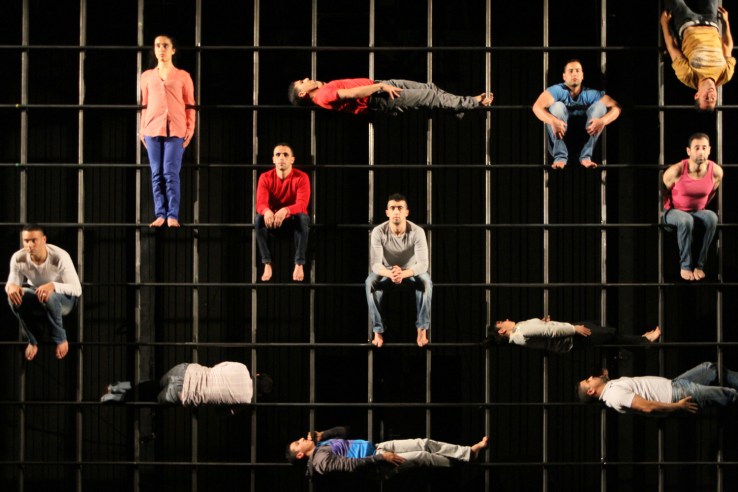
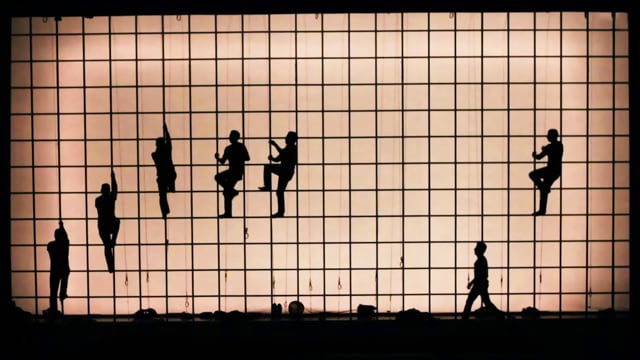
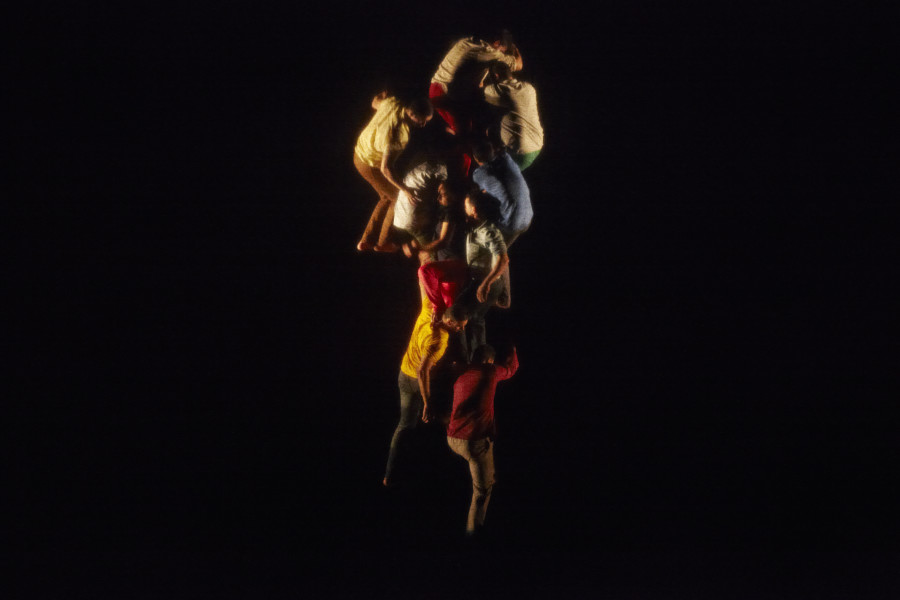
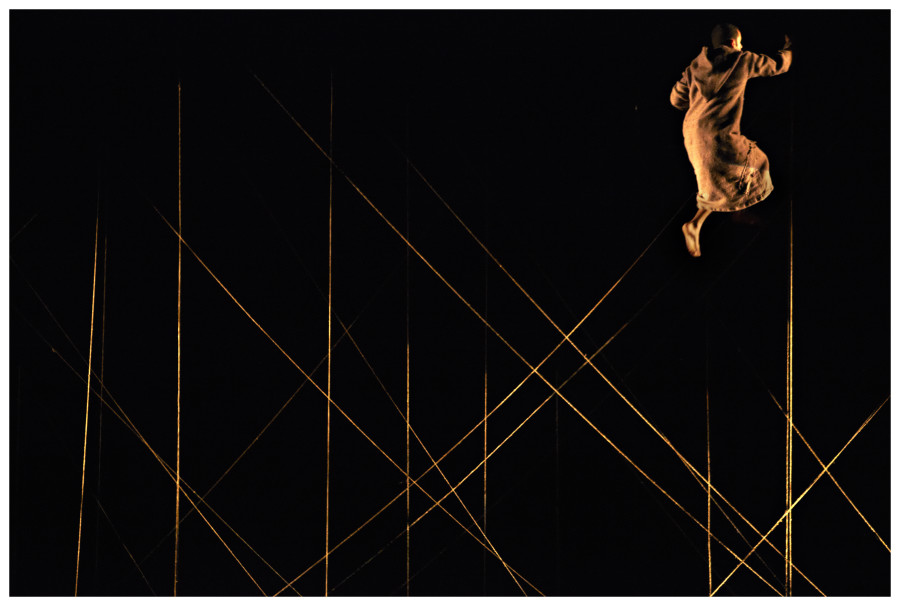
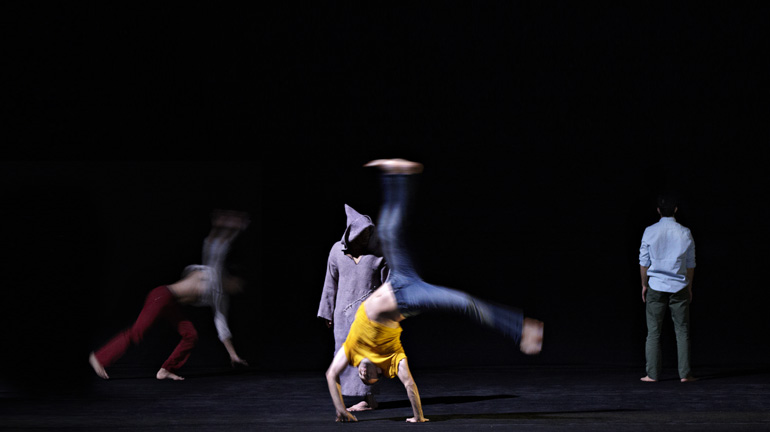
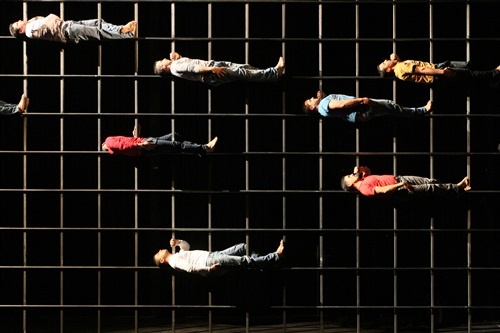
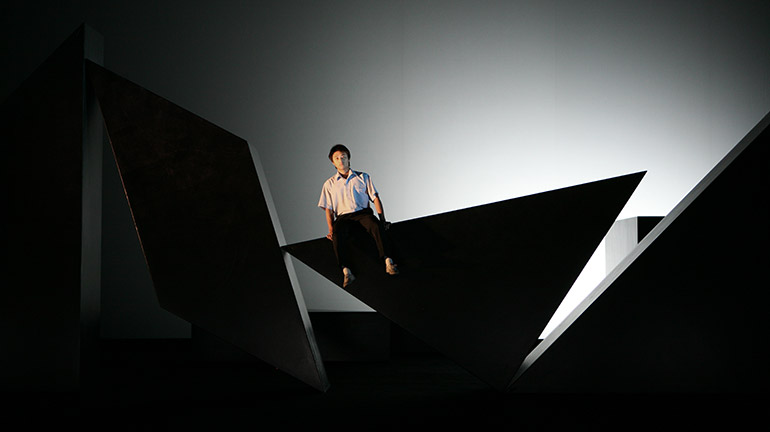
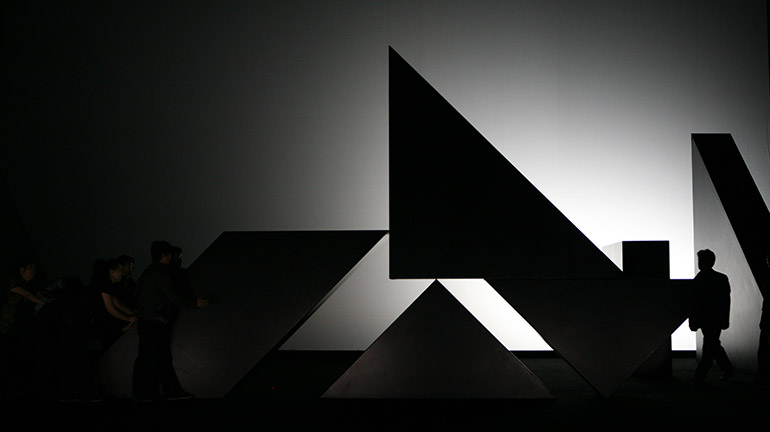
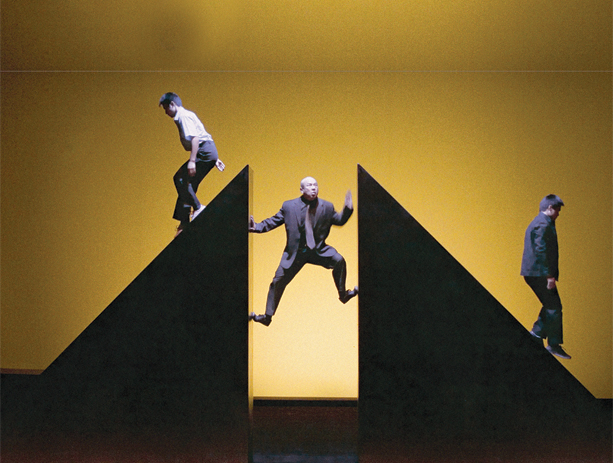
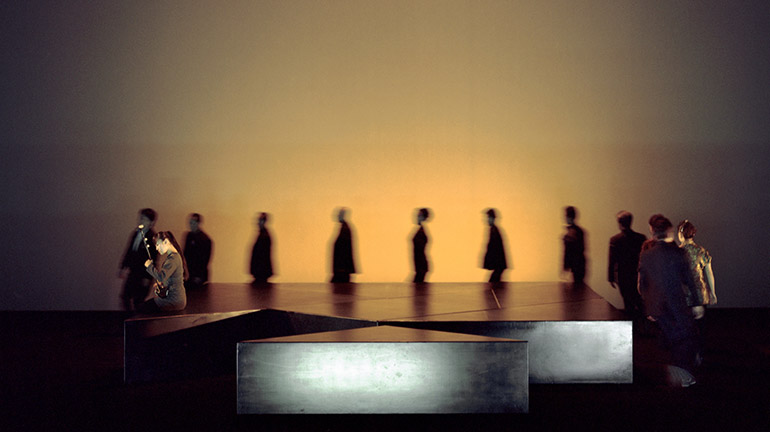
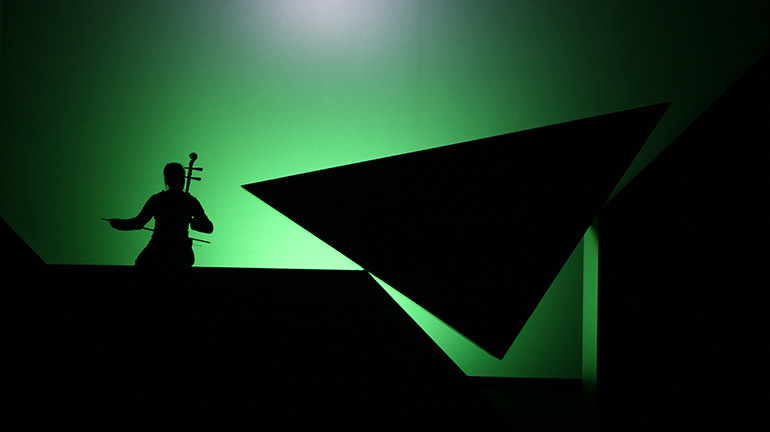
This show was born out of Aurélien Bory’s desire to go to China to meet artists in the town of Dalian, who are the most technically accomplished in the world. He wanted to work with them to compose a contemporary visual tale inspired by a game which dates back to Chinese antiquity: the tangram, or in Chinese “qi qiao ban”, which means “the seven boards of cunning”. This is a solitaire game, based seven geometrical elements: five triangles of three different sizes, a square and a parallelogram, which must be assembled to form one large square. The game’s components are manœuvred by sixteen people who stand them up, climb on them, get into them, following their changing forms, slip into a hollow cube, construct improbable and ephemeral edifices.
https://www.cie111.com/en/spectacles/les-sept-planches-de-la-ruse/

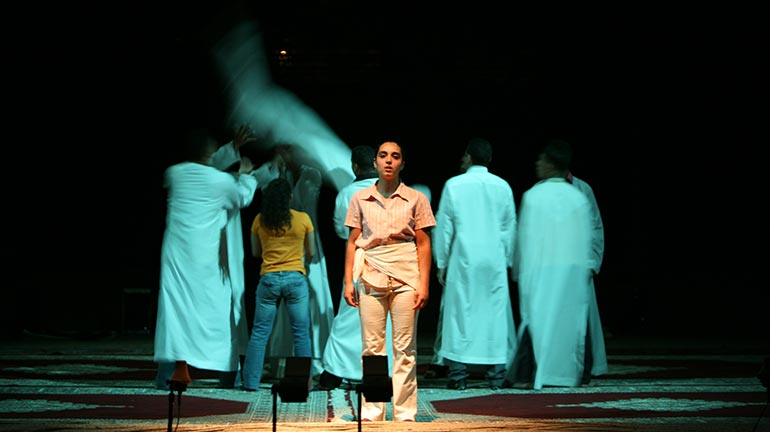
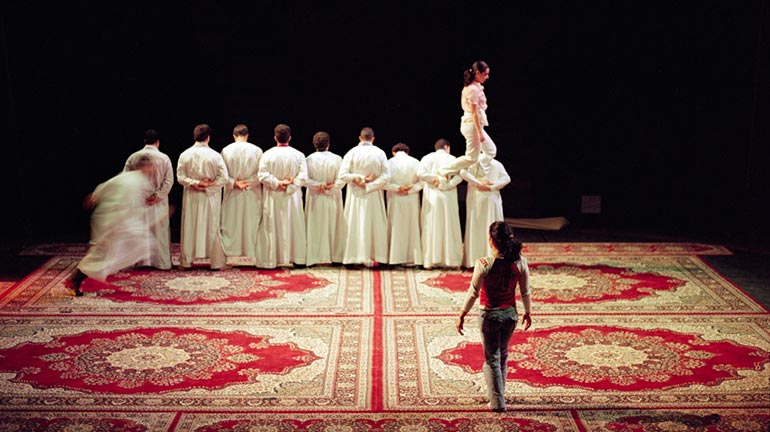
Watch video: https://www.numeridanse.tv/en/dance-videotheque/taoub
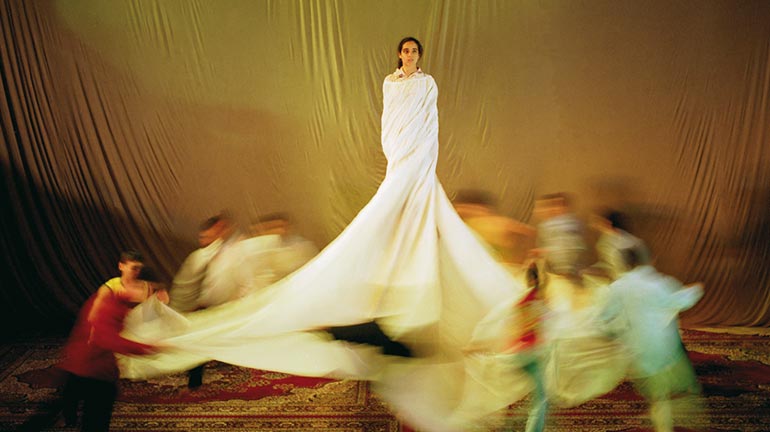
Performed by a group of twelve acrobats from Tangiers, Taoub (fabric in Arabic) aims at remaining close to the art of weaving. The show crosses the threads between circus, theatre and video with fabric as its sole decor, mobile and transformable. This fabric is in turn: floor, cloth, blanket, tent or clothing, the main accessory and the sole partner of the actors, a recipient of light, a projector and a screen but also a propulsion tool for the acrobats. All the possibilities between the fabric and the acrobat are presented to build a luminous and spectacular fresco. A genuine human fabric, Taoub explores the relationships of solidarity and competition and questions the resources of social or family fabric. Aurélien Bory, the director of the magnificent Plan B, builds a world from scratch or nearly and adds an artistic and poetic dimension to the spectacular nature of acrobatics.
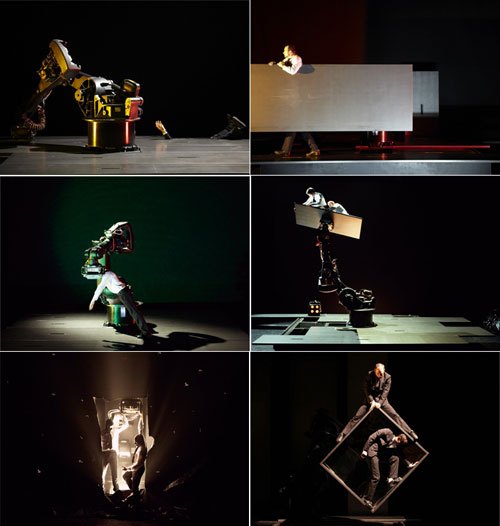
“I asked myself: What was the first robot? And I found that the first was the industrial robot, built during the 1960s and then hugely developed during the late 60s and early 70s. This robot, an industrial robot arm with six rotational axes, didn’t really change after that early period of intensive development — in terms of electronics and computing it of course became more complex, but it was the same object: the six-axis arm. And I said, OK this is the first robot, about my age. When I was born, he was there.”
http://sideshow-circusmagazine.com/magazine/deconstructions/aur%C3%A9lien-bory-sans-objet
More:
https://www.youtube.com/user/Compagnie111


 Time out of Time: