Akram Khan

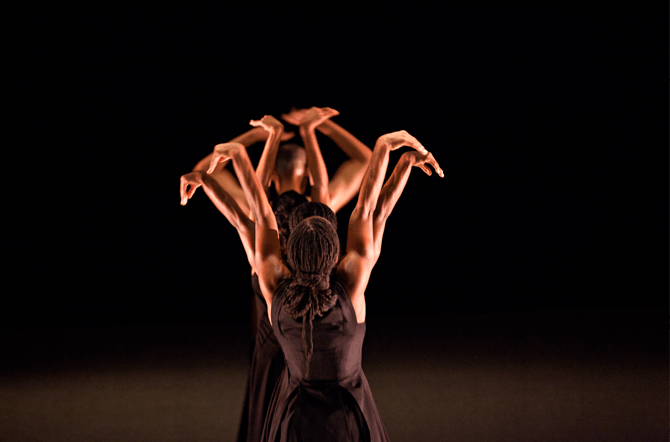
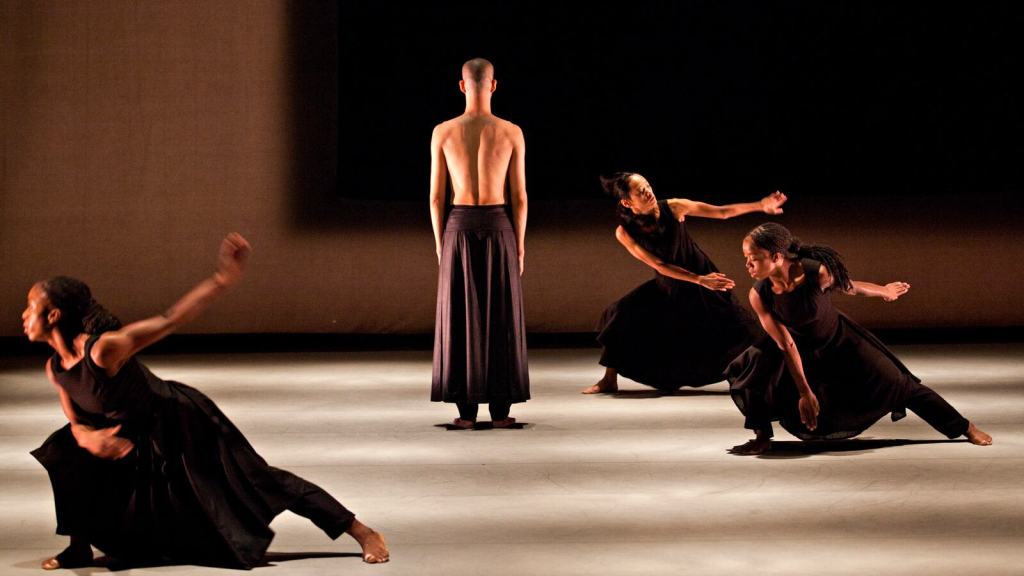
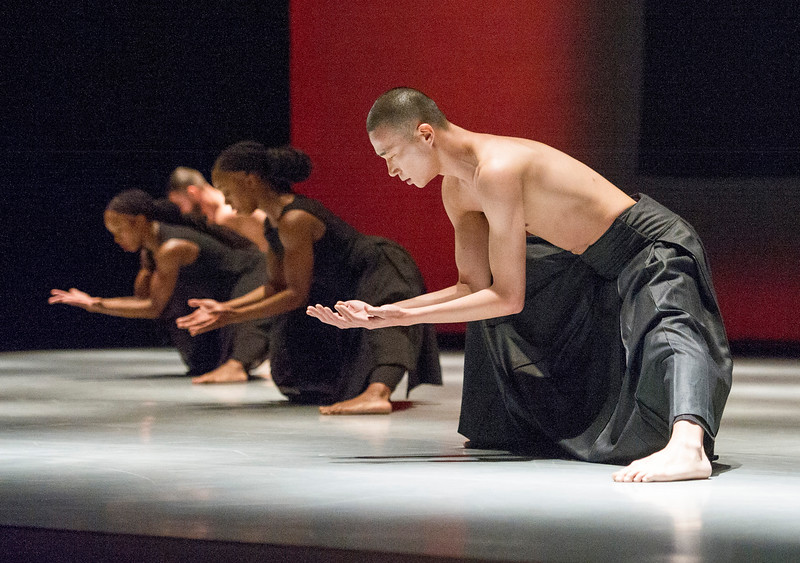
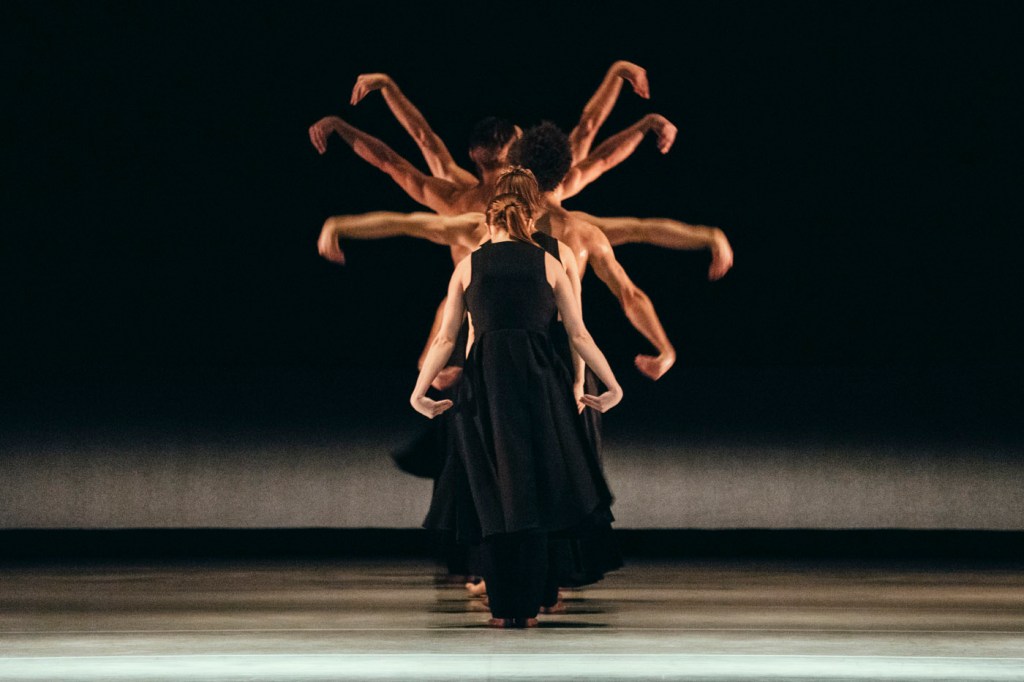
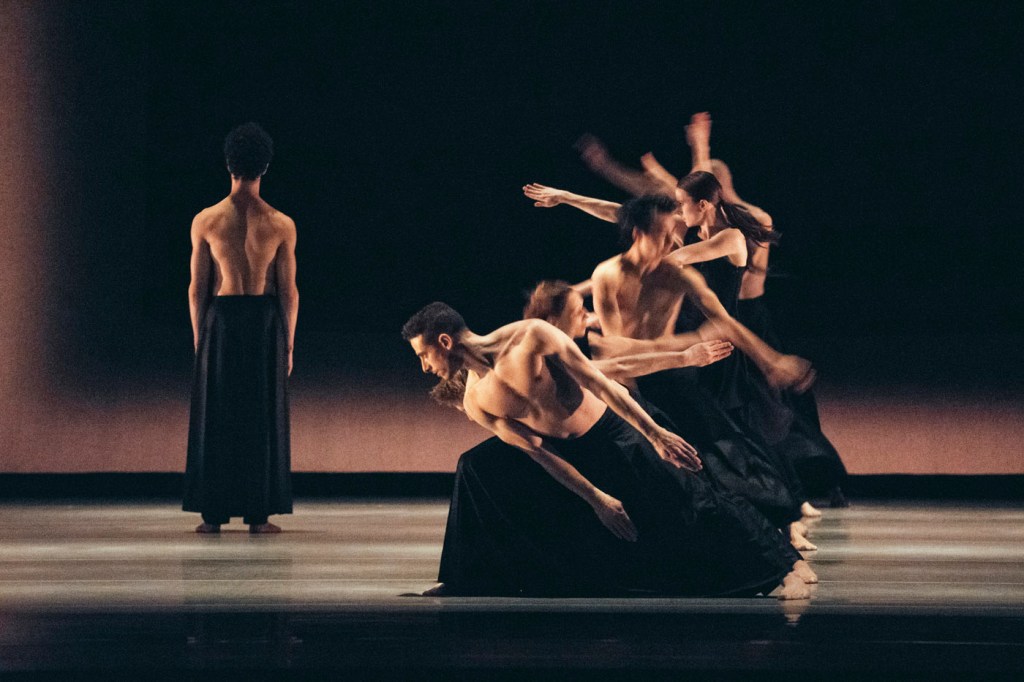
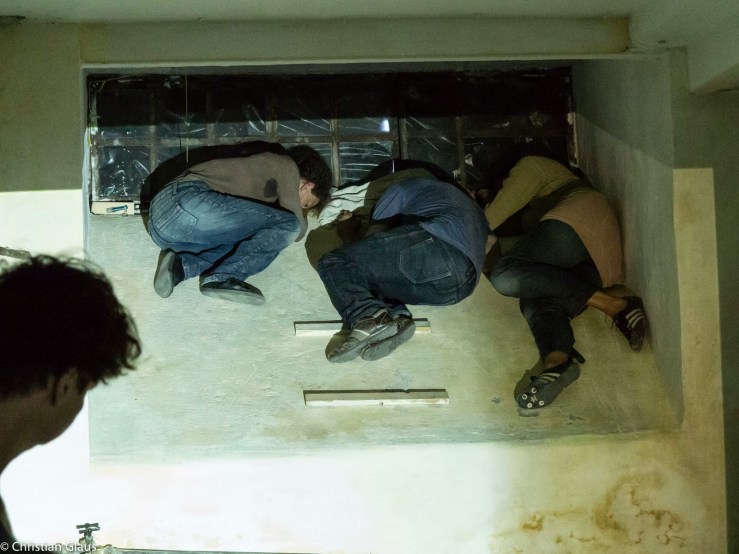
Akram Hossain Khan, is an English dancer and choreographer of Bangladeshi descent. His background is rooted in his classical kathak training and contemporary dance.

“The rules of Khanโ€™s new company were simple: take risks, think big and daring, explore the unfamiliar, avoid compromise and tell stories through dance that are compelling and relevant, with artistic integrity.”


In August 2000, he launched Akram Khan Company. His first full-length work Kaash, a collaboration with Anish Kapoor and Nitin Sawhney, was performed at the Edinburgh Festival in 2002.
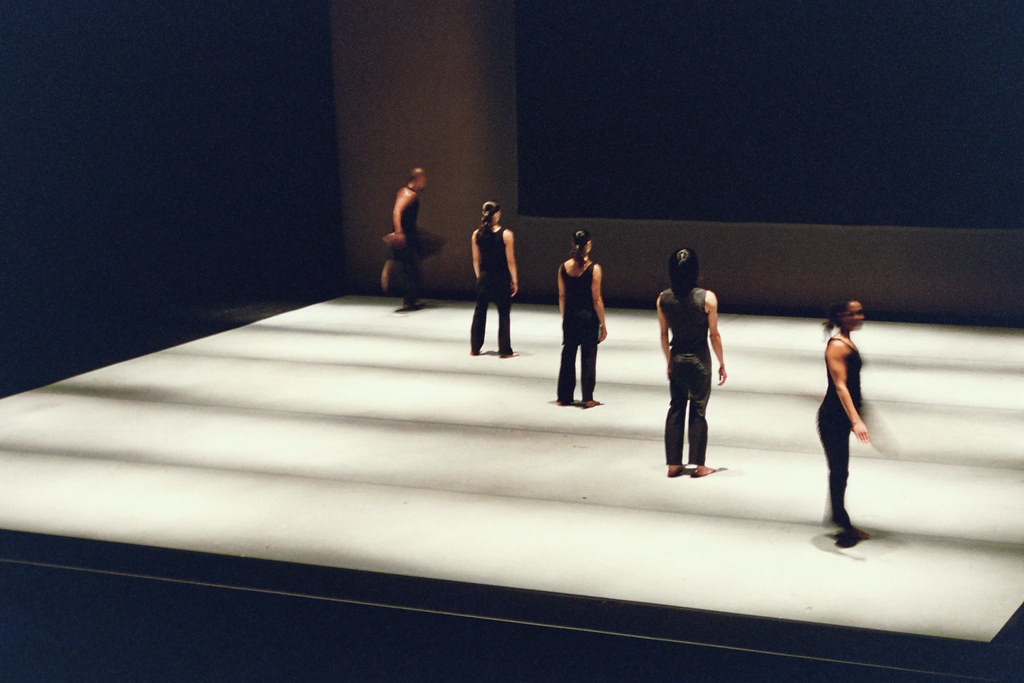
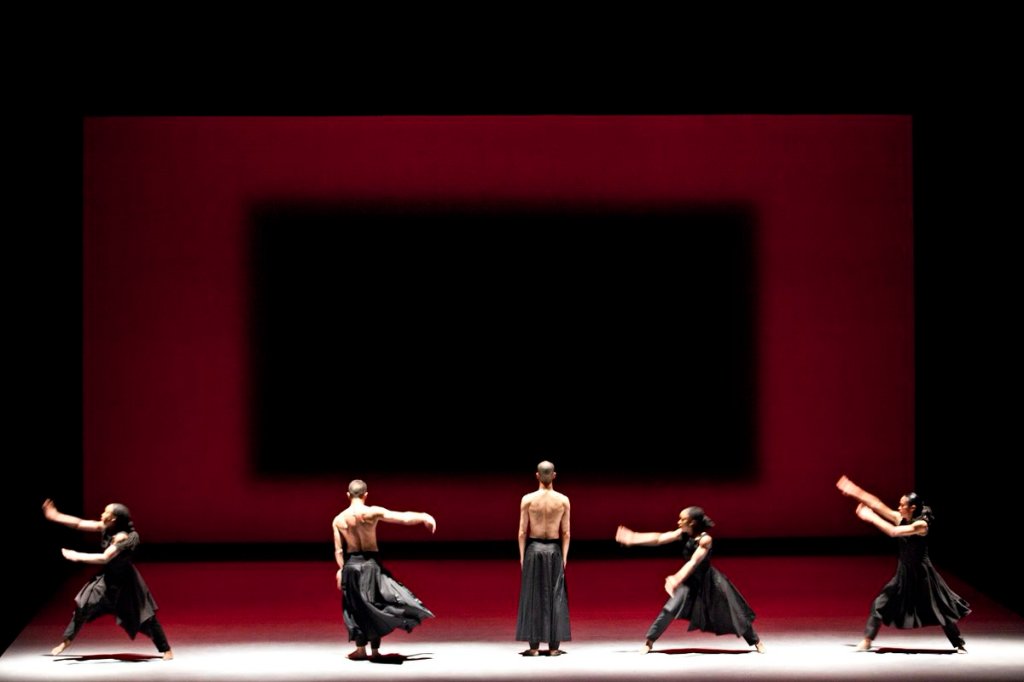
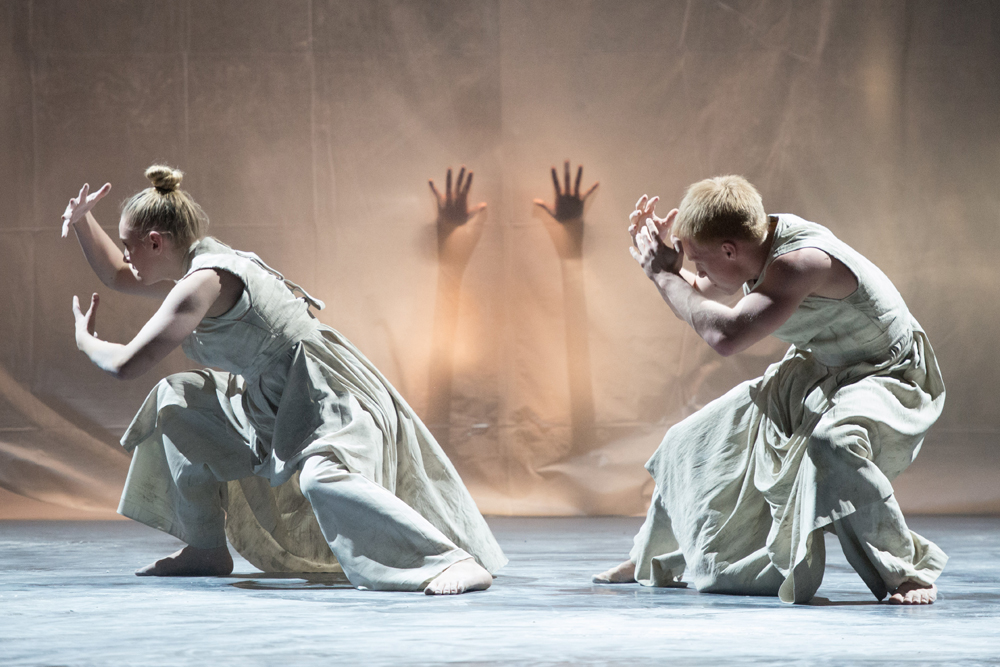
In Kaash, Hindi for โ€˜ifโ€™, the British-Bengali choreographer Akram Khan presents his own vision of Shiva, the god of both destruction and creation. The world-famous artist Anish Kapoor translates this transcendent theme into a poetic stage setting. With his compelling rhythmic structures, the English-Indian composer Nitin Sawhney then creates parallels with Khanโ€™s powerful movement idiom, rooted in the Indian dance form Kathak.


DESH —- Premier: September 15, 2011
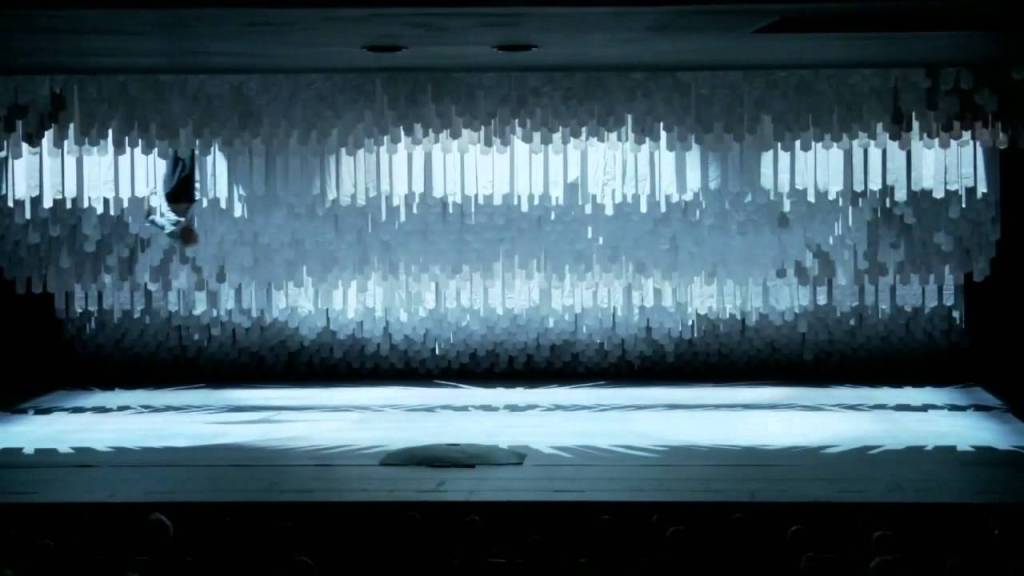
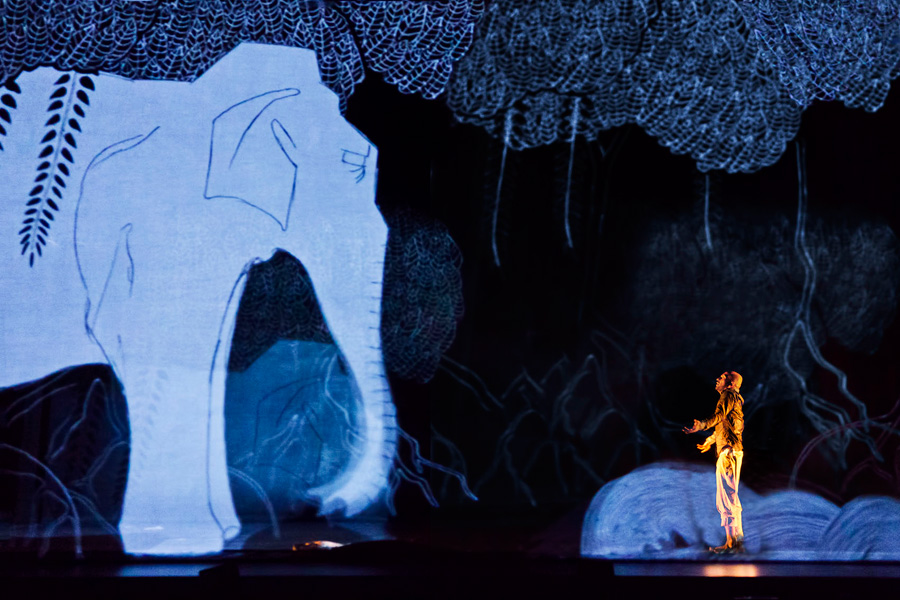
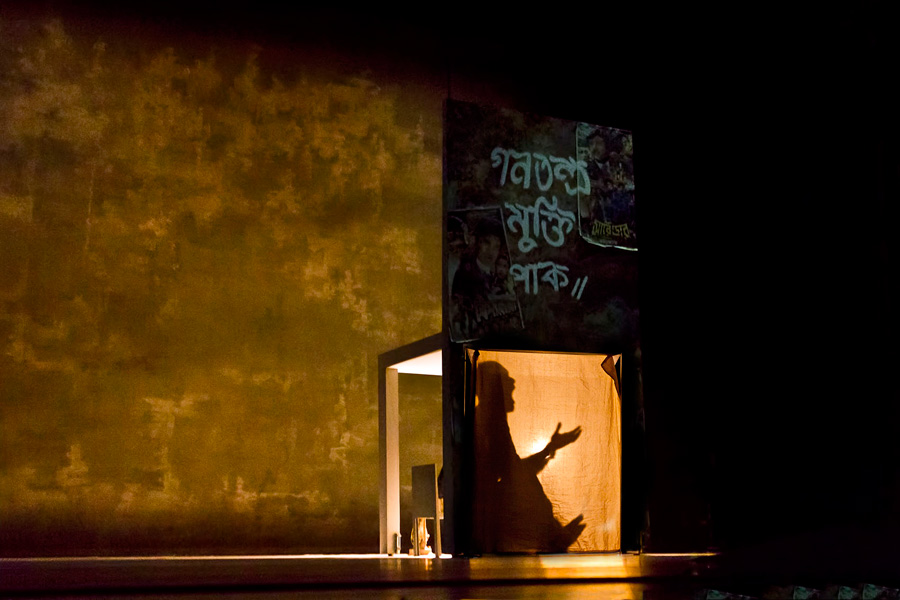
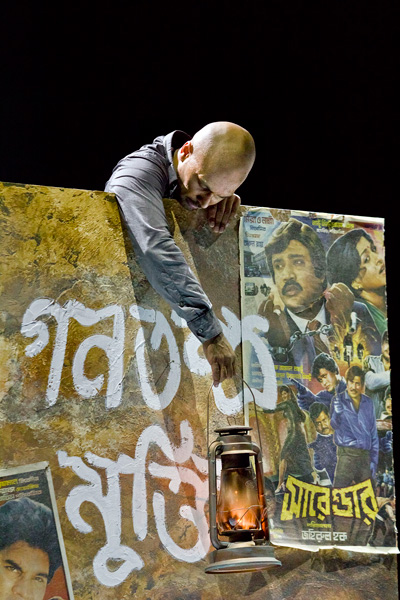
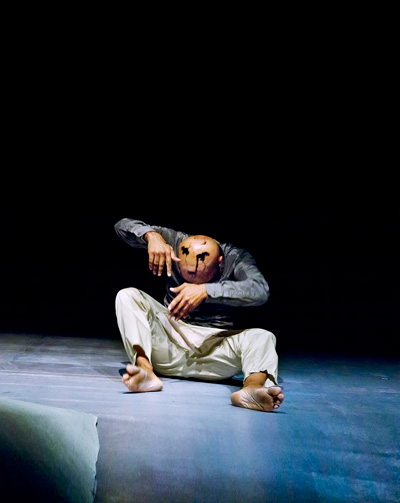
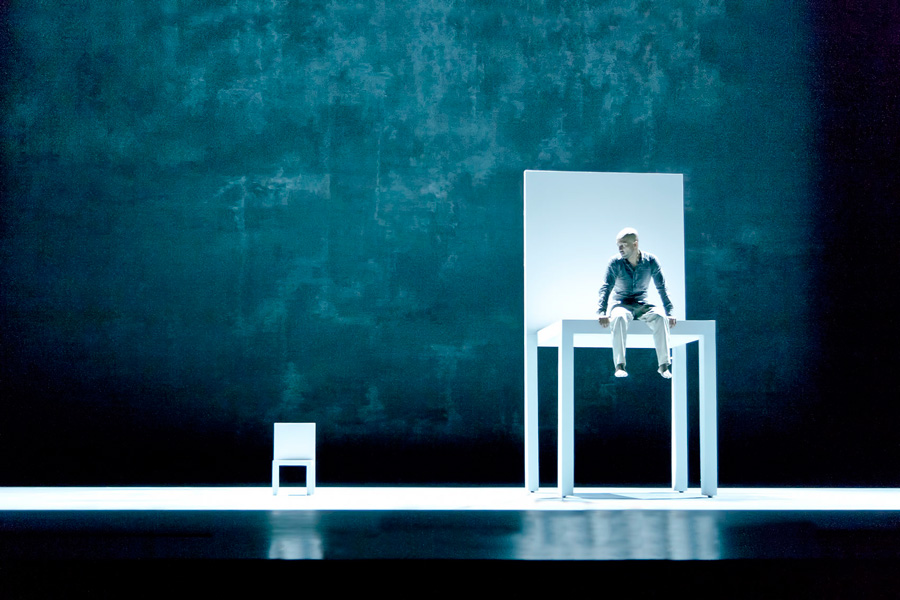
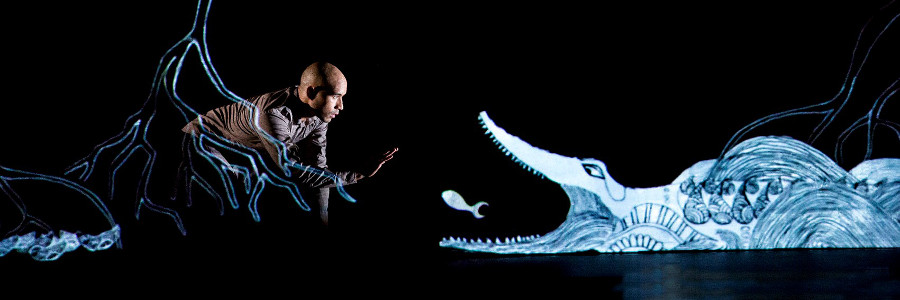
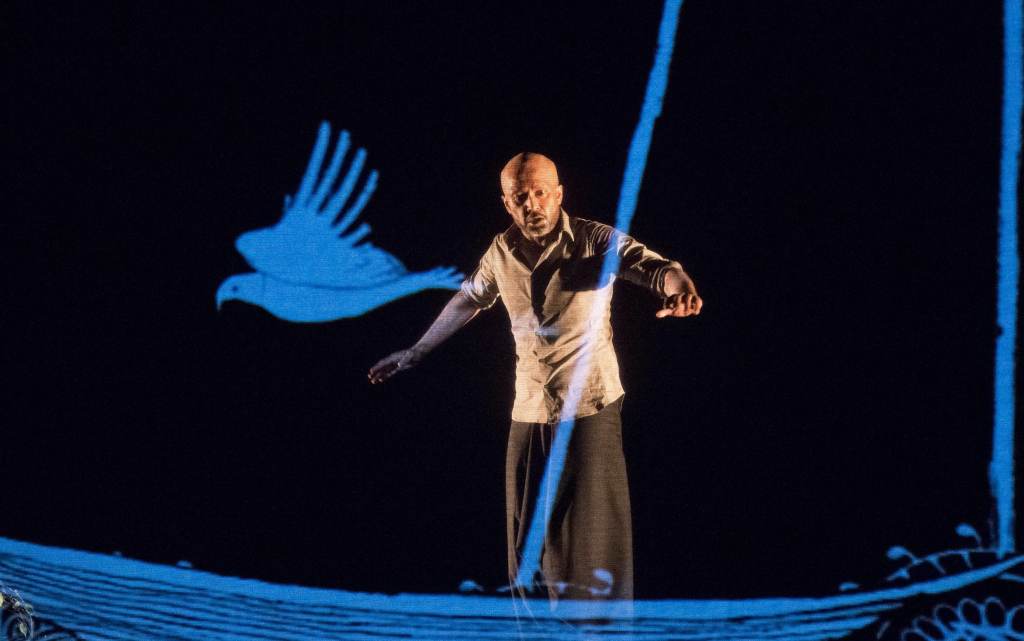
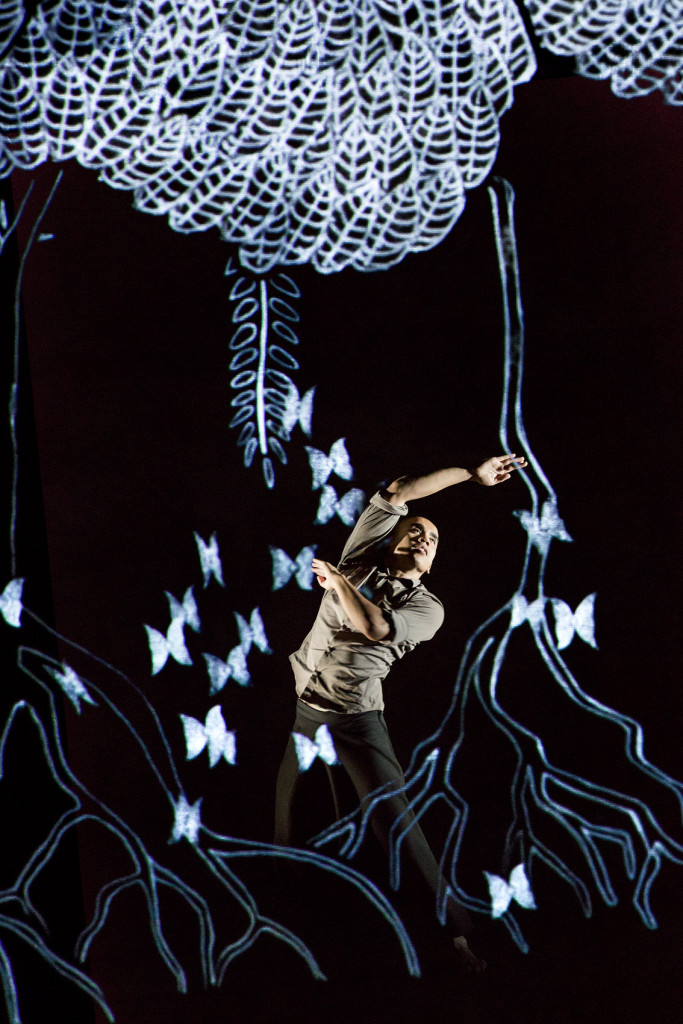
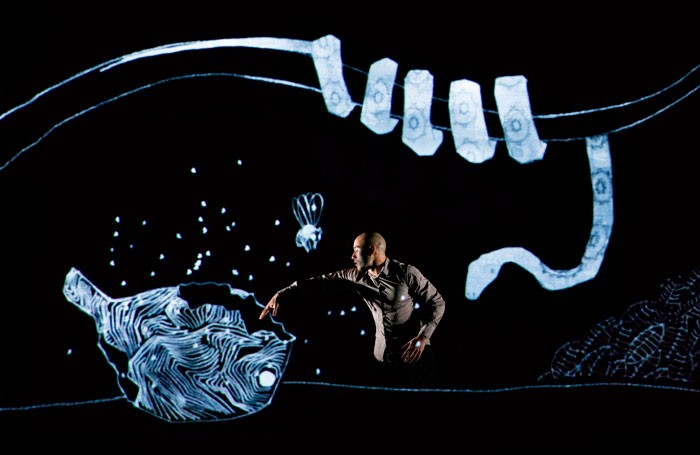
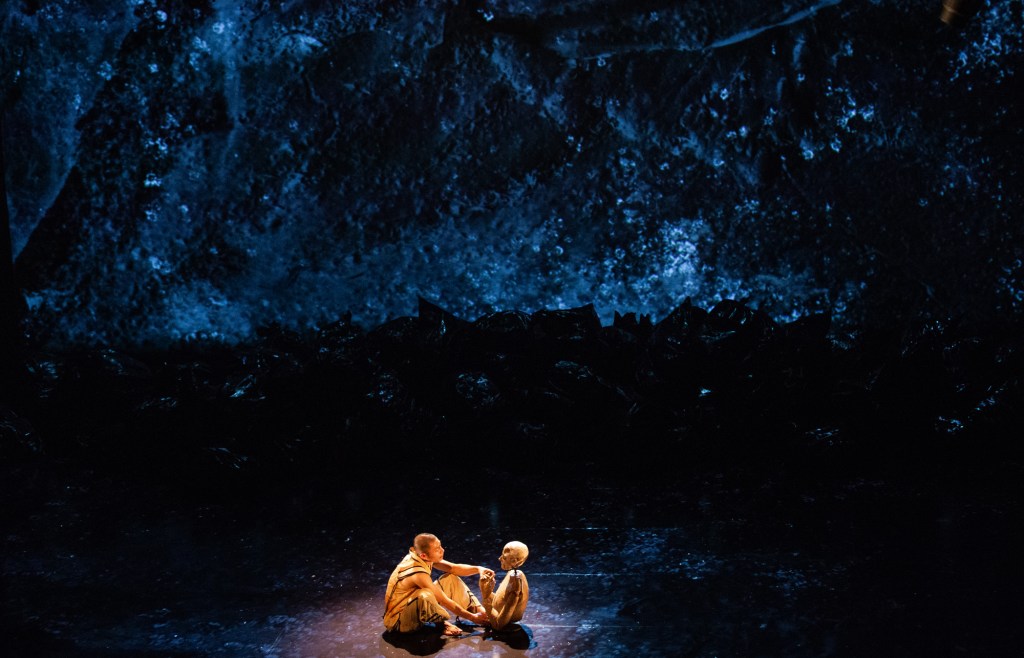
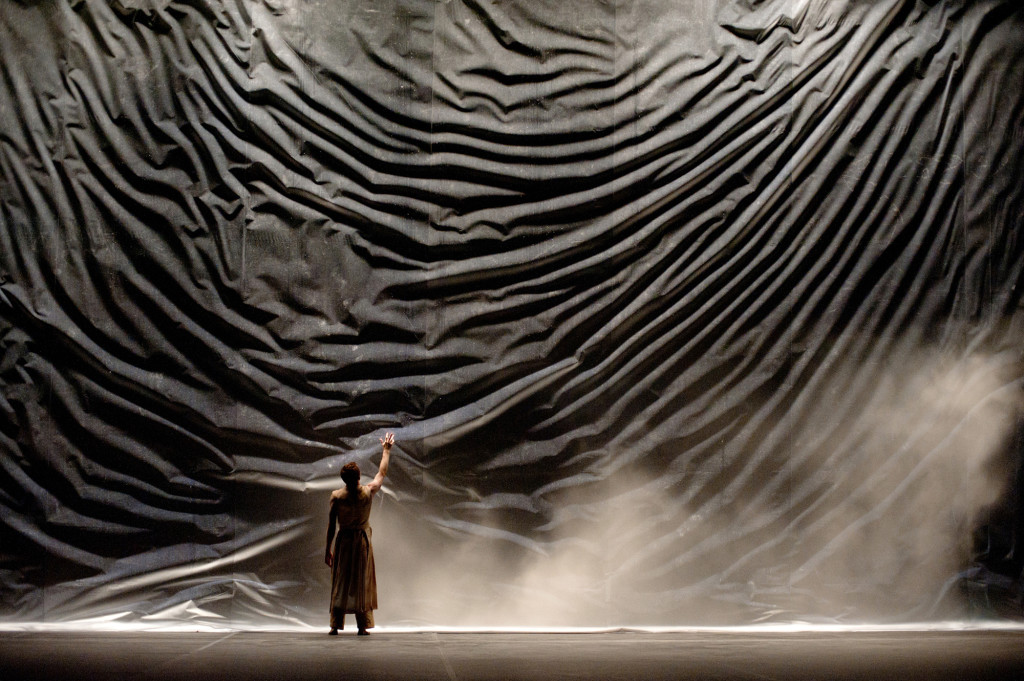
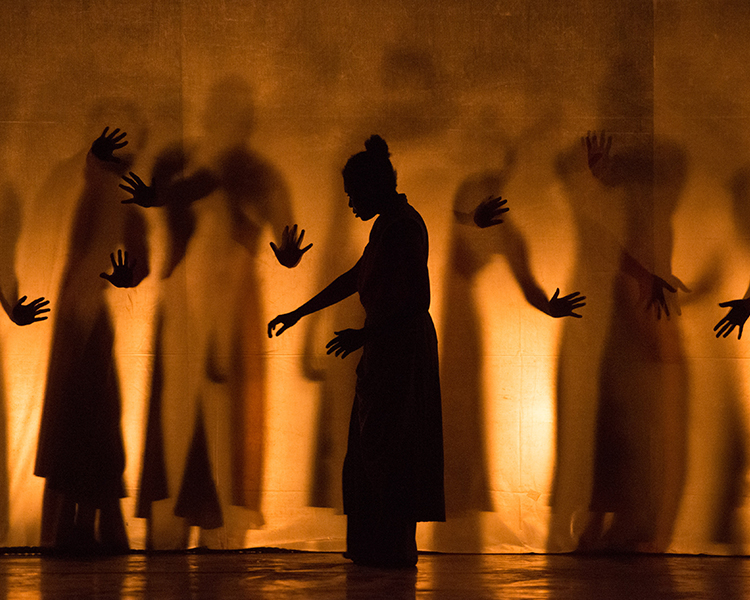
DESH is a new full-length contemporary solo and the most personal work to date from celebrated choreographer and performer, Akram Khan. DESH meaning ‘homeland’ in Bengali, draws multiple tales of land, nation, resistance and convergence into the body and voice of one man trying to find his balance in an unstable world.

Moving between Britain and Bangladesh, Khan weaves threads of memory, experience and myth into a surreal world of surprising connection. At once intimate and epic, DESH explores fragility in the face of natural forces, and celebrates the resilience of the human spirit in the rhythms of labour, in dream and story, and in transformation and survival.

For this production, Khan teams up with Oscar-winning visual artist Tim Yip (Production Designer for Crouching Tiger, Hidden Dragon), fellow Sadlerโ€™s Wells Associate Artist lighting designer Michael Hulls, writer and poet Karthika Nair and Olivier award-winning composer Jocelyn Pook.


Zero Degrees —- Premier: July 8, 2005

An exciting collaboration between Akram Khan and Sidi Larbi, this is an opportunity to see these remarkable artists working with sculptor Antony Gormley and composer Nitin Sawhney.

Khan and Larbi first met in 2000 when they quickly discovered strong similarities in their work. Both are sons of Islamic families brought up in Europe, and both draw upon this meeting of cultures, combining complex Indian Kathak dance with the speed and precision of contemporary movements.

zero degrees was borne out of their longing to create work together, and follows them on a journey to seek the reference point, the source, the ‘0’ at life’s core. Inspired by their own dual identities, the two search for this middle point through polar opposites; becoming/death, light/dark, chaos/order.

Creating the environment for this journey is artist Antony Gormley, most famous for his ‘Angel of the North’ sculpture. Working closely with the two dancers, his design will reflect the concept of duality explored in zero degrees. Specially commissioned music is by composer/producer Nitin Sawnhey. This is a rare chance to see four of today’s greatest artists join forces.

VERTICAL ROAD —- Premiere: 16 September 2010

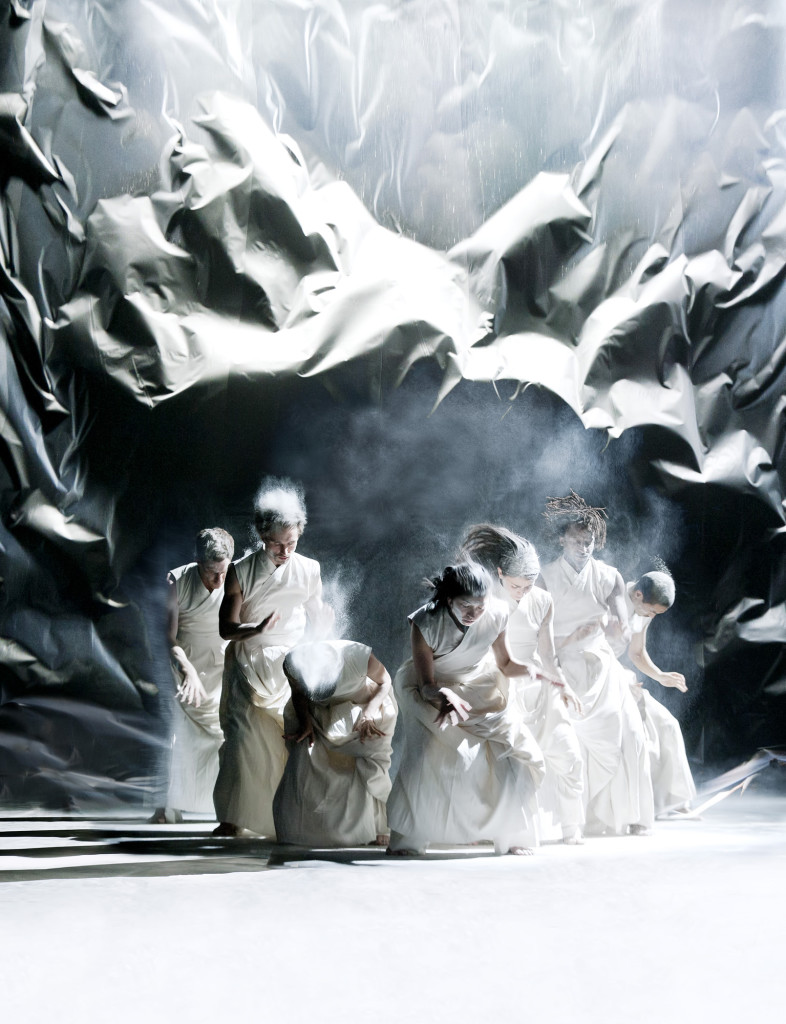
In Vertical Road Khan has assembled a cast of very special performers from across Asia, Europe and the Middle East. With a specially commissioned score by long-term collaborator composer, Nitin Sawhney, Vertical Road draws inspiration from the Sufi tradition and the Persian poet and philosopher Rumi. Exploring manโ€™s earthly nature, his rituals and the consequences of human actions, Vertical Road becomes a meditation on the journey from gravity to grace.
https://en.wikipedia.org/wiki/Akram_Khan_(dancer)
https://vimeo.com/user5239431

https://www.youtube.com/user/akramkhancompany

https://www.akramkhancompany.net/

Phantom Limb Company

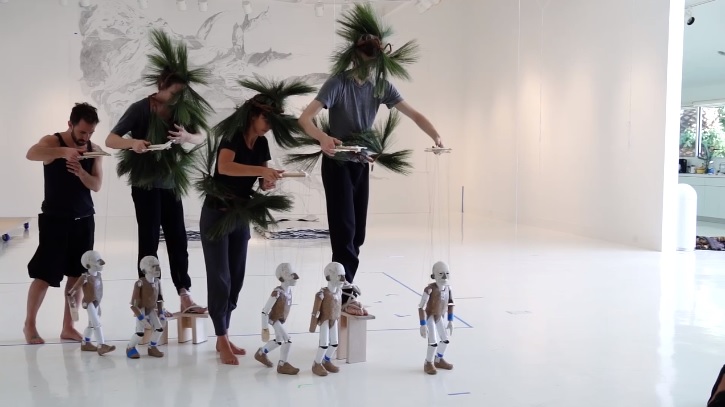
The New York City-basedย Phantom Limb Company, founded by composer and marionette maker Erik Sanko and visual artist Jessica Grindstaff, is critically acclaimed for its reinvention of traditional theatrical forms, incorporating marionette puppetry, music, and large-scale installation in order to probe issues of contemporary life.

Since the success of their first marionette play The Fortune Teller in 2006, Sanko and Grindstaff have collaborated on numerous original theatrical works with such diverse artists as Ping Chong & Company, Ulrike Quade, Geoff Sobelle of Pig Iron and rainpan 43, and Mark Z. Danielewski.

https://vimeo.com/phantomlimbcompany

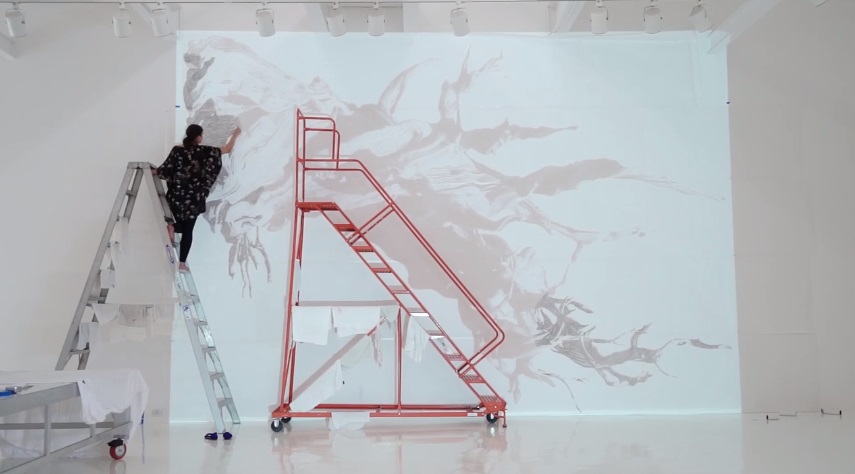
Jessica Grindstaffย is a multimedia artist. Known for her tiny Victorian taxidermied shadowboxes, wax and chalk paintings, she has most recently taken her micro-universe macro through the medium of installation and set design.

Erik Sankoย is a lifelong musician, and has played with The Lounge Lizards, John Cale, Yoko Ono, They Might Be Giants and his own band,ย Skeleton Key. Erik also has always made puppets, first for his own amusement, then for art collectors, and now for theatrical productions.

69หšS.

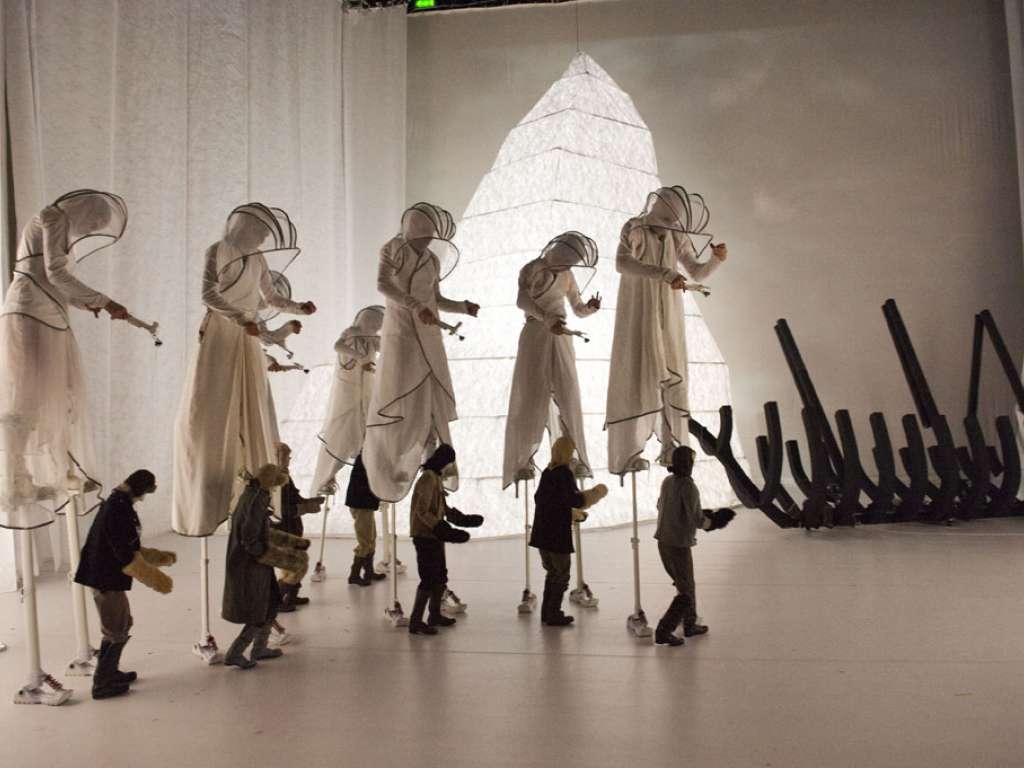
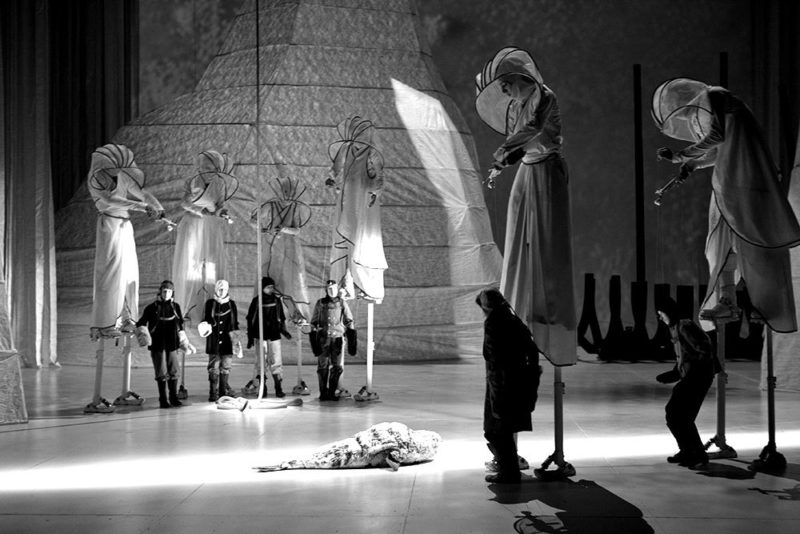
Inspired byย Sir Ernest Shackleton’s harrowing expedition to Antarcticaย in 1914,ย Phantom Limbย unites puppetry, dance, film, history, and photography with contemporary music to create a stunning vision of the great arctic continentโ€”past, present, and future. Dim light plays across a lunar terrain dotted with icebergs. Shackletonโ€™s crew, played by half-life-size puppets, struggles to survive in this vast landscape, putting into stark relief the power of endurance and camaraderie and the price of knowledge. With sound that combines the junkyard dog aesthetic of the band Skeleton Key playing live, a score recorded by the Kronos Quartet, and glacial field recordings,ย 69หšS.ย mines the inherently bittersweet and complex nature of the Shackleton experience and what the future may hold for this fragile environment.

CHASING STARS – AN INTERACTIVE AND PARTICIPATORY DANCE

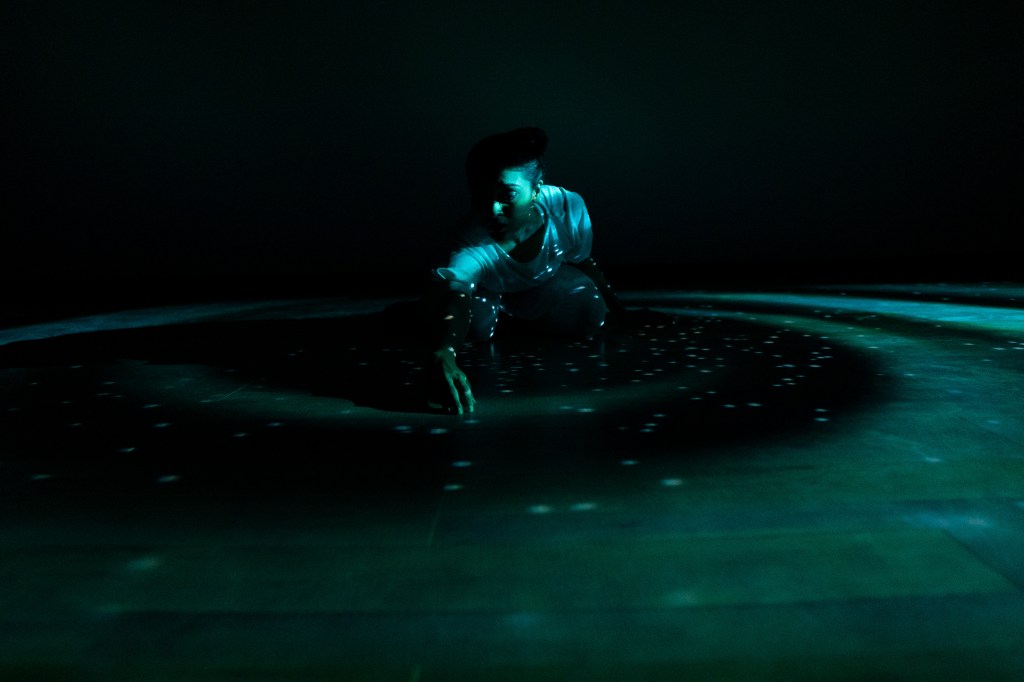
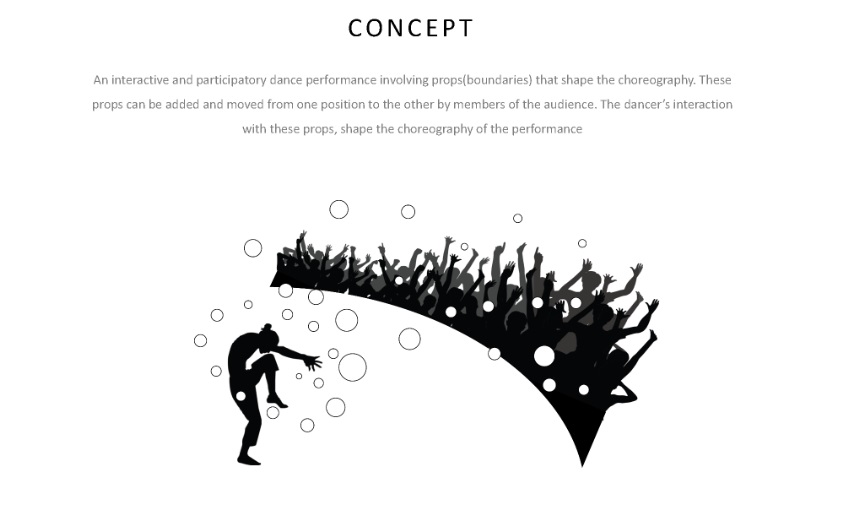
The project proposes an immersive and participatory performance by involving virtual ‘props’ that can interact with as well as move from one position to another, by the audience. By doing so, the audience can actively participate in shaping the dancerโ€™s performance. The dance takes shape as the dancer improvizes and choreographs the performance- live, based on her interaction with these virtual props.

https://vibhakulkarni.myportfolio.com/chasing-stars-an-interactive-and-participatory-dance

  • Project Mentor and Guide: Dr. Jignesh Khakhar
  • Music: Steve Gibbs – Patterns( Cyrus Reynolds remix)
  • Stage Setup: Prof. Vivekananda Narasimham Yengaldas
  • Programming and Development: Devang KanthariaProjection
  • Mapping: Bhargav PadhiyarInitial
  • Prototyping Assistance: Ambar Fulzele, Vivek Padmaji
  • Videography: Rohit Srivastava Ajay Sahu

Who is the artist?

Hello, I’m Vibha Kulkarni

โ€‹โ€‹โ€‹โ€‹โ€‹โ€‹โ€‹I am a Visual Artist and New Media Designer exploring different storytelling media. I love to dive into intense research that leads to innovative ways of creating immersive experiences, engaging stories or the birth of fictional characters. My work includes a conglomerate of New Media, Film & Video, User Experience Design, and Performance art, with a background in Fine arts. My experience, along with my yearning for knowledge across disciplines and love for learning new things has helped me encompass multiple perspectives. I am currently working on a self-initiated Cyber-Ethnographic Research project to understand the relationship between identity and anonymity.

An immersive theater performance:The Extra People

The Extra People

Ant Hampton

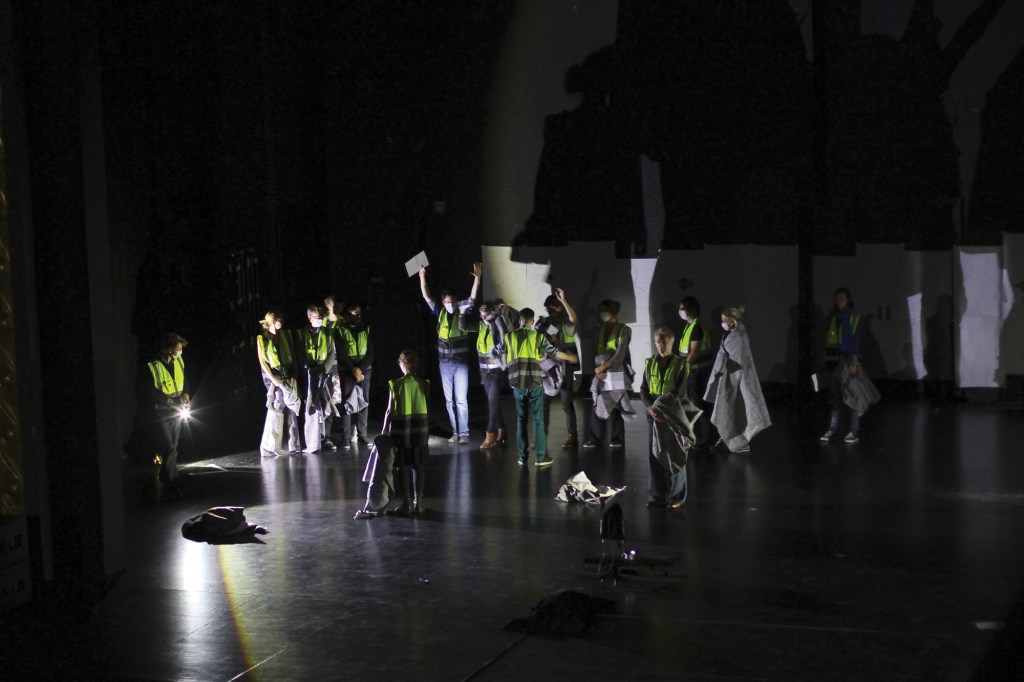
The Extra Peopleย is an immersive theater performance where 15 audience members sit and watch another 15 onstage. After half an hour, they find themselves replacing those onstage, only to discover that another 15 have appeared in the seats they’ve left behind. And so it continues, through the hoursโ€ฆ The theater buildingโ€”dormant, empty, and unlit save for your flashlightโ€”seems unable to be deactivated. And within this strange process, wearing headphones and a “hi-viz” vest, you’re cast along with everyone else as some kind of extra. But an extra for what?

Starting withย Rotozaza’s Etiquetteย (2007), Ant Hampton has created nine “autoteatro” works, including his recent Bessie-award-winning collaboration with Tim Etchells for library reading rooms (The Quiet Volume). The “protocol” behind autoteatroโ€”automated processes (often audio) where instructions are given to audience members who find themselves experiencing the work from the insideโ€”is now taken back to the theater building to operate on a larger scale.

Ant Hamptonย (British, b.1975 Fribourg, Switzerland) made his first show as Rotozaza in 1998, a project which ended up spanning performance, theater, installation, intervention and writing-based works, and often focusing on the use of instructions given to unrehearsed โ€œguestโ€ performers, both on stage and in public settings. Solo projects include ongoing experimentation around โ€œlive portraitureโ€: structured encounters with people from non-theatrical milieu.

https://vimeo.com/anthampton

http://www.anthampton.com/Extra_People.html

Tesseract by Charles Atlas, Rashaun Mitchell, and Silas Riener

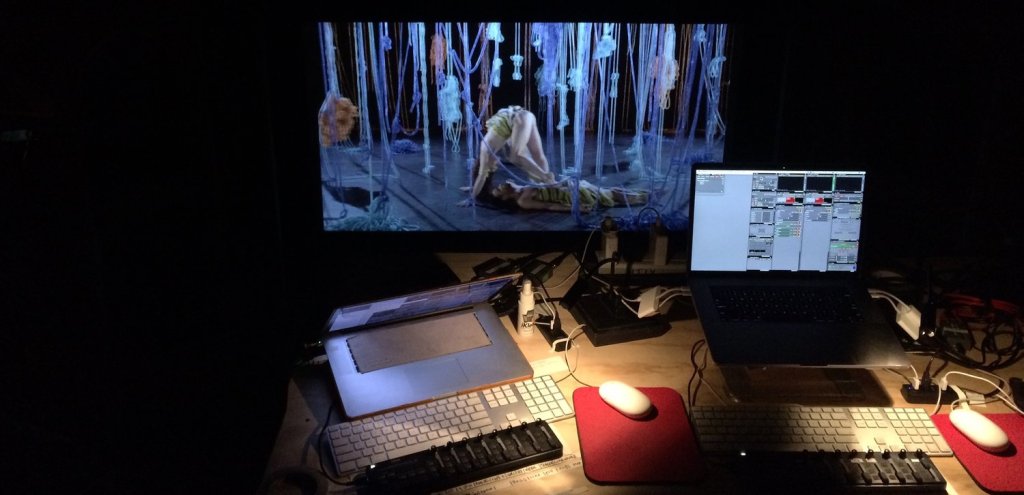
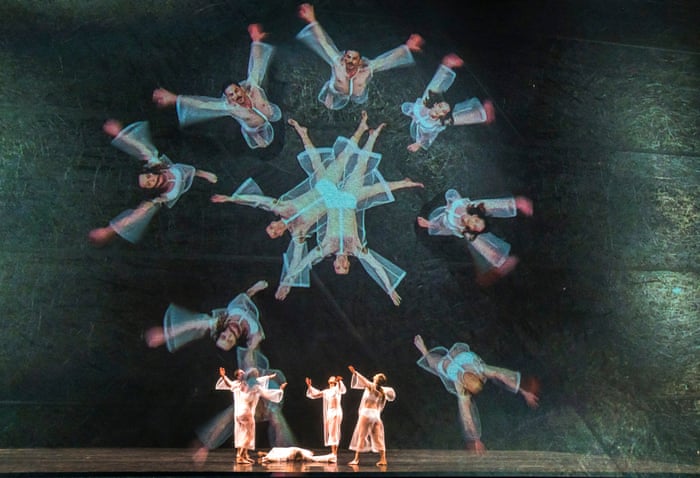
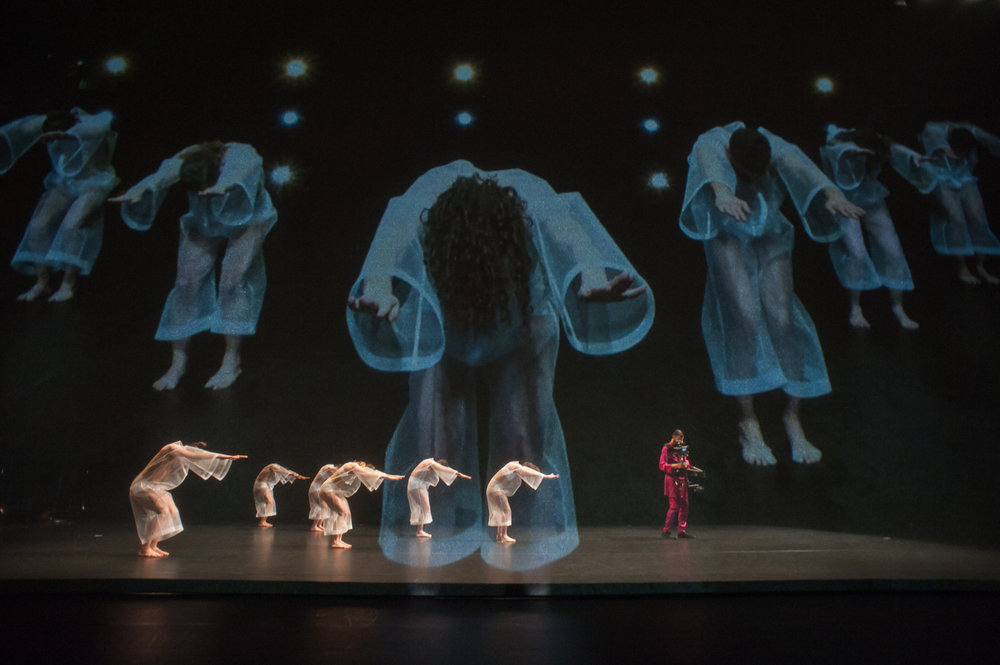
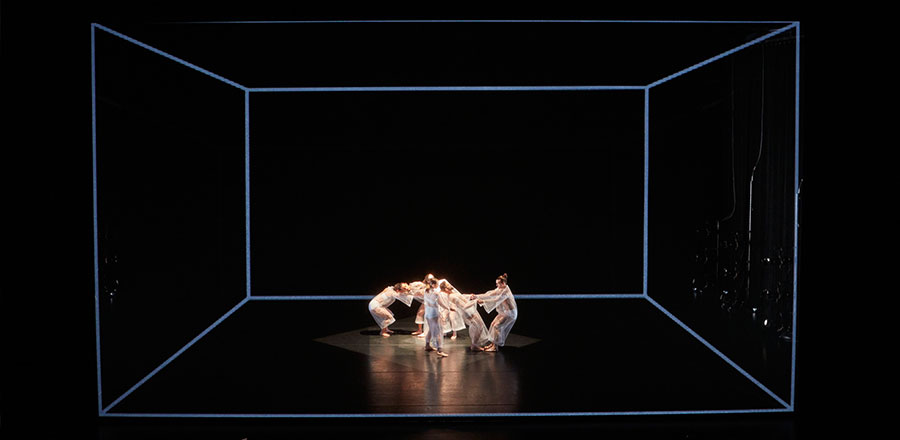
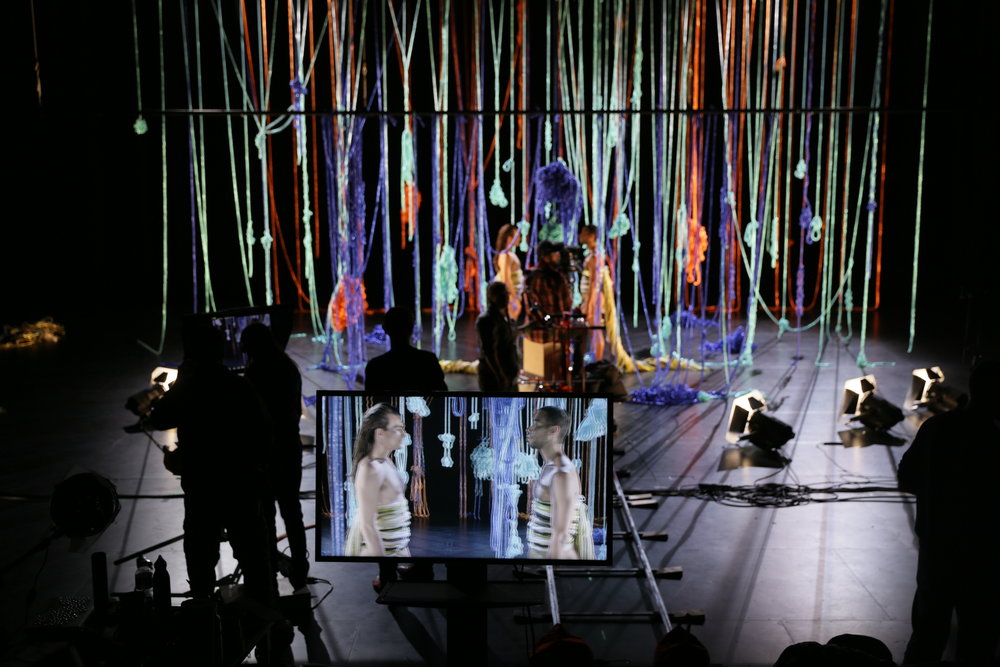
Tesseract, a full evening theater performance created in collaboration with Rashaun Mitchell + Silas Reiner, consisting of Act 1: a stereoscopic 3D dance film and Act 2: a live dance performance with 3 live cameras mixed by me using VDMX and projected on a scrim in front of 6 dancers.

Charles Atlas

This project began at EMPAC in Troy, NY and had its premiere at The Walker Art Center in Minneapolis and had a brief US tour ending at Brooklyn Academy of Music in December. This piece will be shown in Europe sometime in 2018.

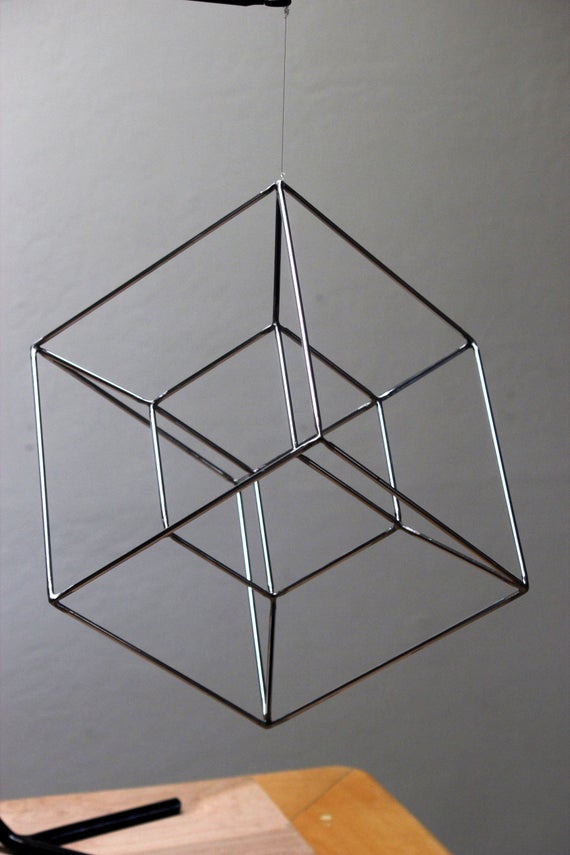
What is a “tesseract”?

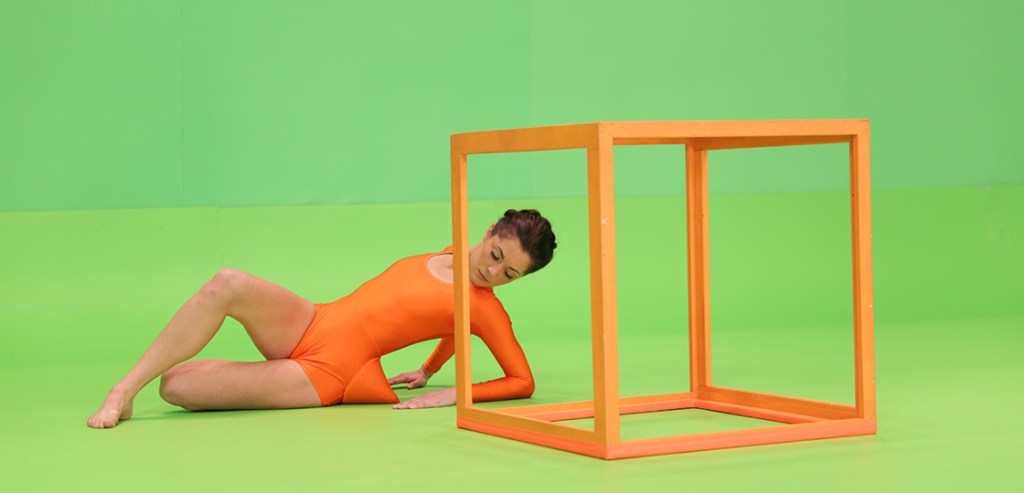
โ€œThe hypercube or tesseract is described by moving the generating cube in the direction in which the fourth dimension extends.โ€

Robert T. Browne, The Mystery of Space

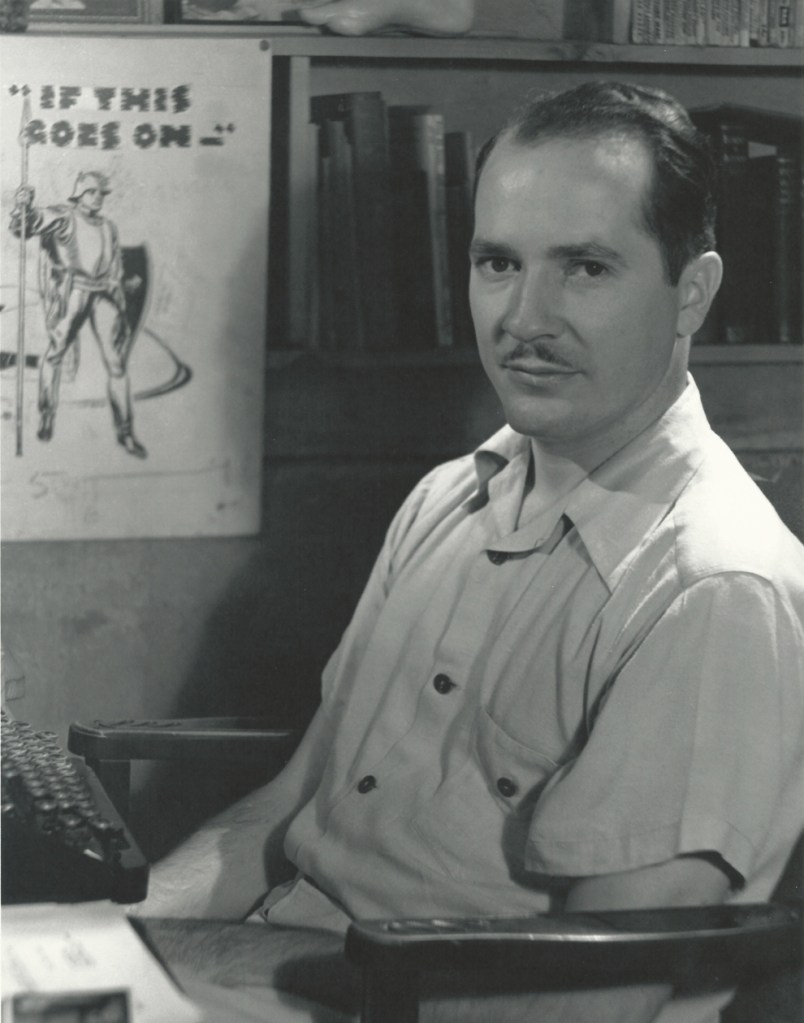
Robert A. Heinleinโ€™s 1941 novella And He Built a Crooked House describes a California architect who designs a house based on a four-dimensional cube, a tesseract, comprised of eight cubed rooms.Unbeknownst to him or his clients, however,an earthquake has caused the invisible fourth dimension to shift prior to their first tour through the building. The tesseract house then takes its new inhabitants on a disorienting journey through multiple rooms, perspectives, and timescales that ends with another earthquake-induced slip of space/time as they are dropped with a jolt into the desert landscape of Joshua Tree National Park. 

Charles Atlas, Rashaun Mitchell, and Silas Rienerโ€™s Tesseract charts a similar course: worlds shift and flip, and dancers spin and fall across unstable planes.

Parallel timescales are reflected back on themselves, and emotions run high as speed, scale, and gravity refuse to remain constant.

This journey starts from the perspective of 3D stereoscopic vision and progresses to the performative dimensionality of the theater stage. Although the artists had previously worked together with Merce Cunningham, Tesseract marks their first independent collaboration, and like the architectโ€™s project in Heinleinโ€™s novella, this ambitious work is conceived of as a chance to explore the potential of imagined architectures that can drift from cinema screen to proscenium stage. 

The word tesseract is derived from the Greek tessares, or four, and aktis, a ray of light. Atlas, Mitchell, and Rienerโ€™s Tesseract alludes not only to the romance of science fictionโ€™s beaming rays, but also to light as the principal element of cinematography, projection, and theatrical technique. The artists combine aktis with the fourth dimension, usually understood as time. However, there is an extra-dimensionality here that is revealed through the interaction of the real and the imaged, the live and the recorded.

https://empac.rpi.edu/index.php/events/2017/tesseract

https://vdmx.vidvox.net/blog/charles-atlas-tesseract

DESCENT Alice Sheppard / Kinetic Light

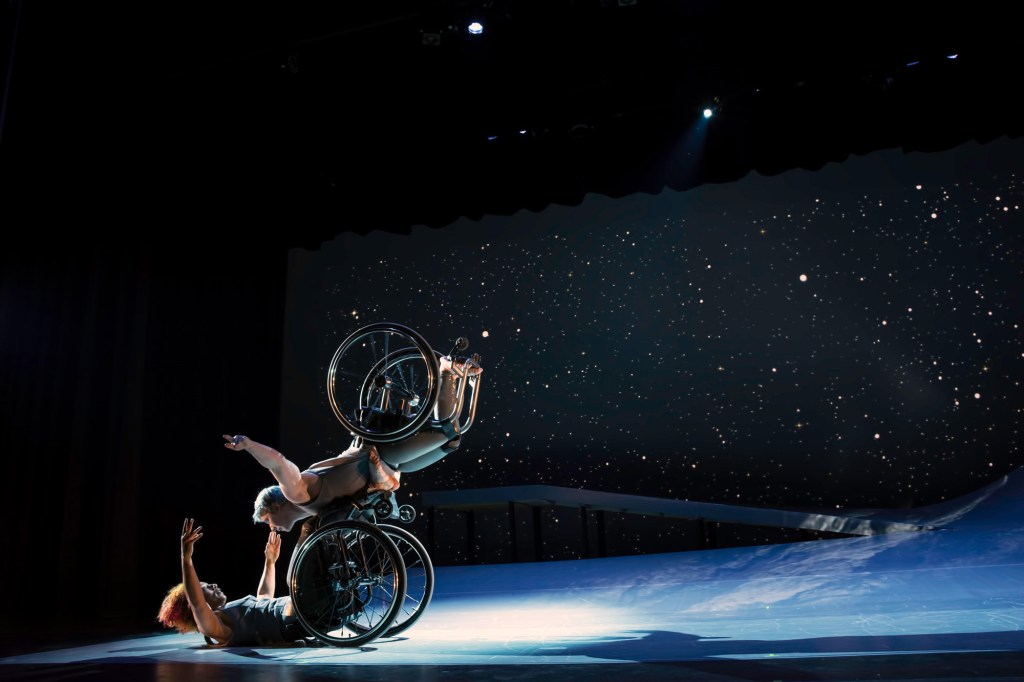
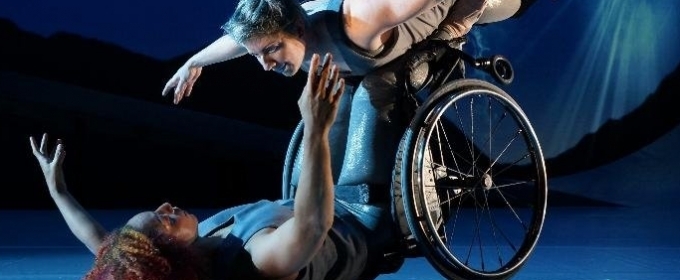
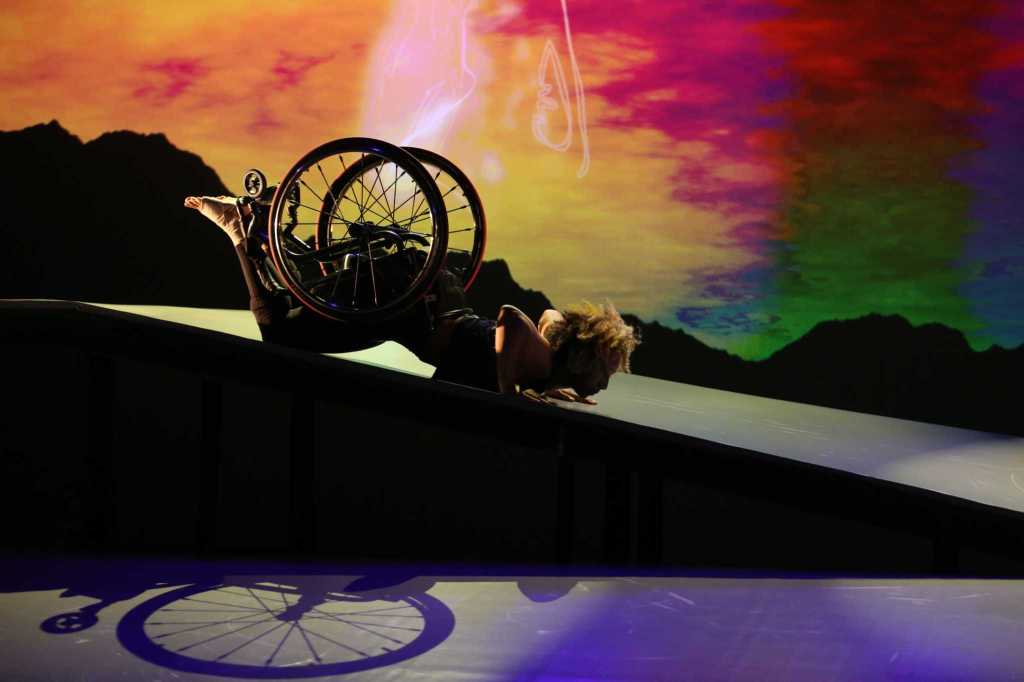
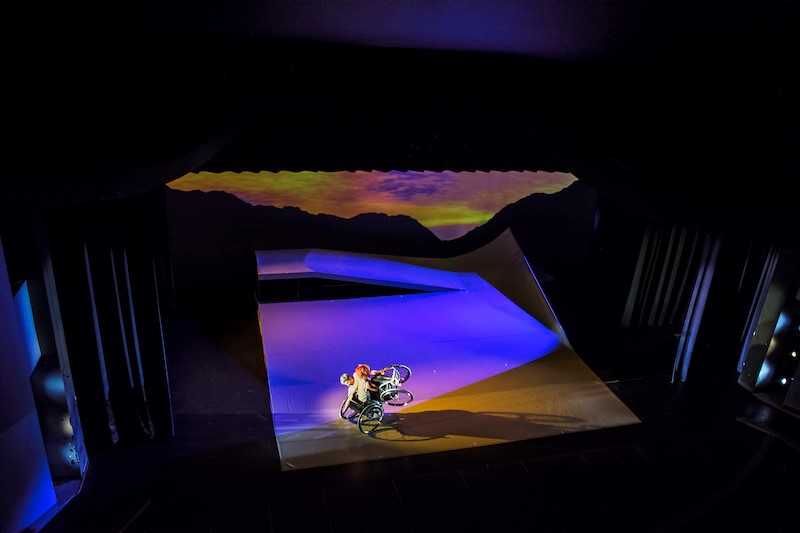
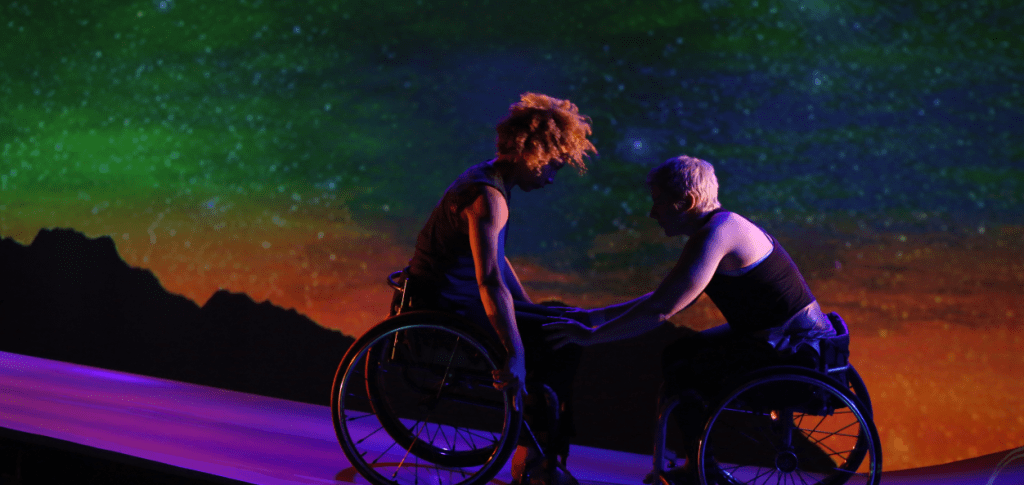
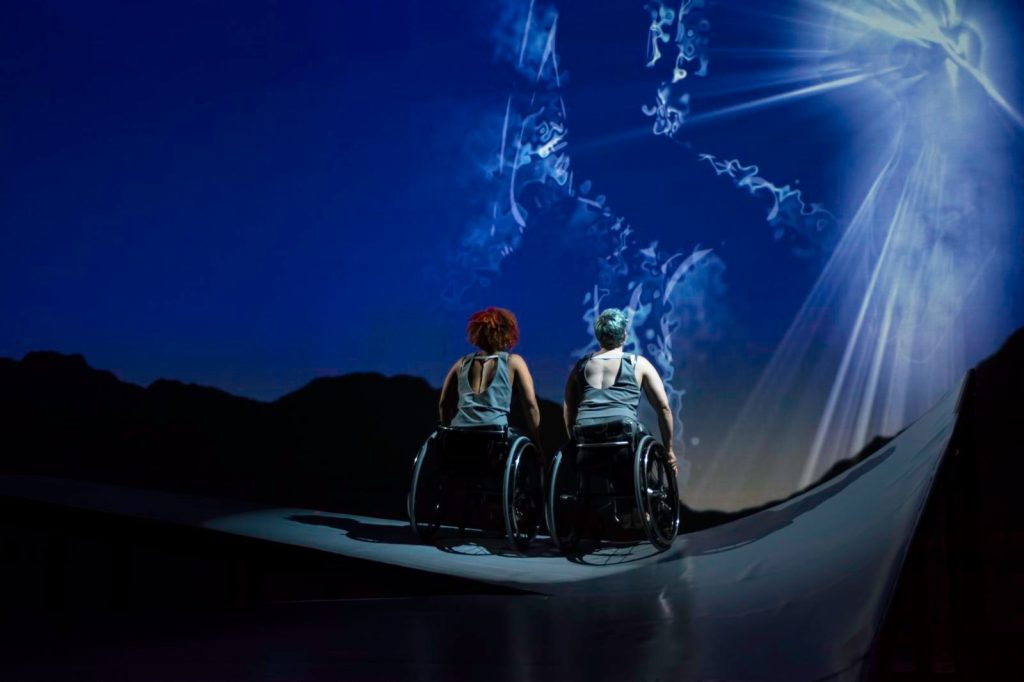
DESCENTย reimagines the story of Greek mythical figures Venus and Andromeda as an interracial love story with choreography that conjures the aesthetics of August Rodinโ€™s sculptureย Toilet of Venus and Andromeda. Performing in wheelchairs, dancers Alice Sheppard and Laurel Lawson traverse a stage built with hills and curves. The duo climb to the summit of a ramp where they precariously balance on its edge and let gravity take over as they barrel back down, moving together and apart. Through emotional peaks and valleys,ย DESCENTย explores themes of disability, race, and beauty to reveal how mobility is fundamental to participation in civic life.

Kinetic Lightย is a collective made up of professional disabled artists Alice Sheppard, Laurel Lawson, and Michael Maag. Sheppard is the artistic director and choreographer for Kinetic Light who performs the role of Andromeda inย DESCENT. Lawson, performing the role of Venus, is a collaborator in choreography, costume and makeup design, as well as the software developer forย DESCENT. Michael Maag isย DESCENTโ€™s lighting and video designer.

Alice Sheppard: Alice Sheppard is a disabled choreographer and dancer from Britain.Sheppard started her career first as a professor, but later became interested in dance. She became a member of the AXIS Dance Company and toured with them. She had also found Kinetic Light and leads it, an artistic coalition created in collaboration with dancer, Laurel Lawson, and lighting and video artist, Michael Maag.

https://en.wikipedia.org/wiki/Alice_Sheppard

Inflatable Frankenstein Radiohole (USA)

from 06:19 to 07:14

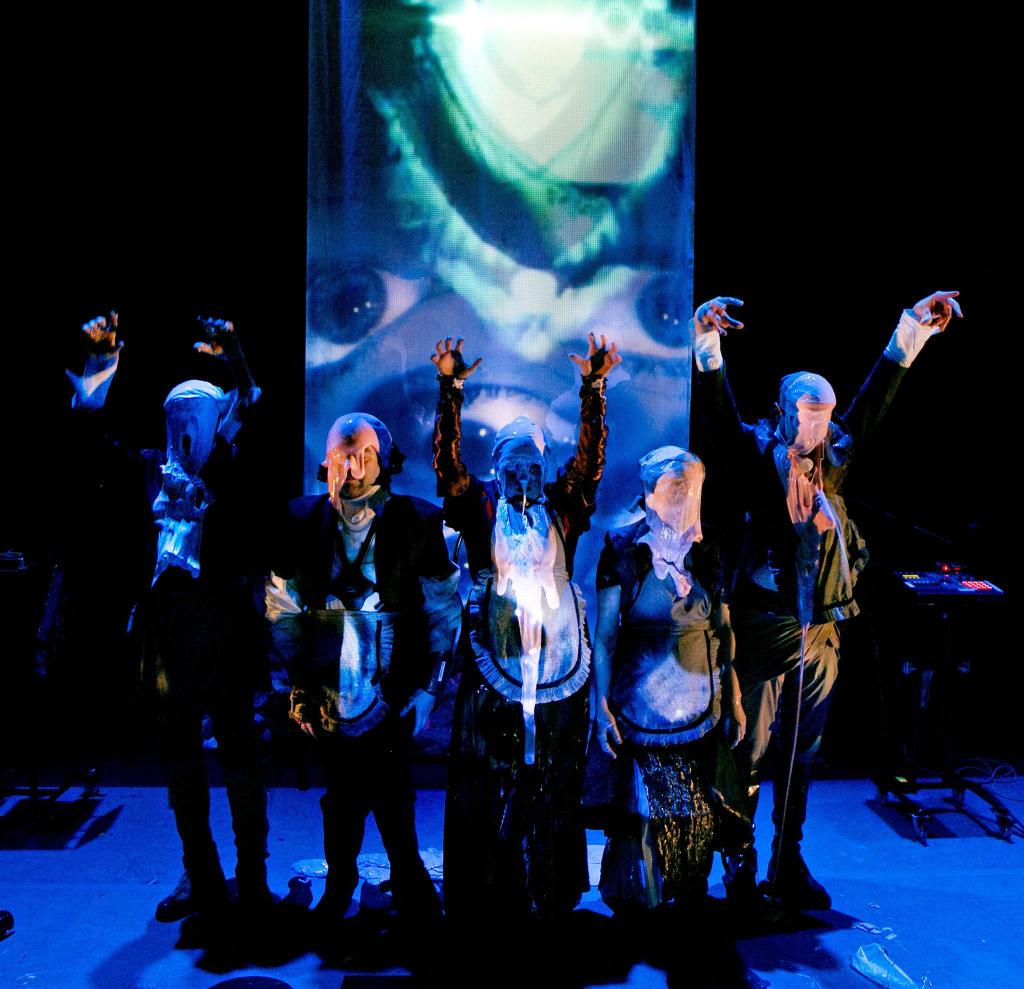
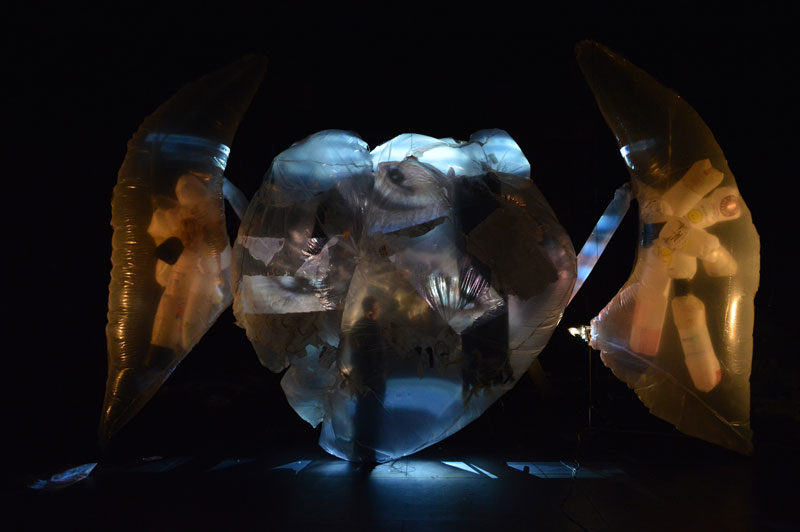
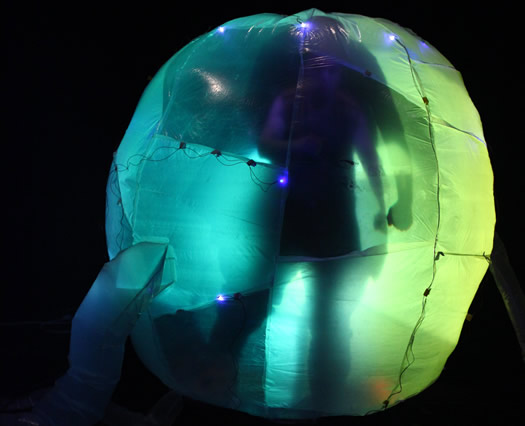
Influenced by James Whaleโ€™s Frankenstein films, Radiohole explodes the tumultuous and tragic life of Mary Shelley. Blood chilling and completely strange,ย Inflatable Frankensteinย is brimming with whims, technological absurdity, and bodily fluids. A larger-than-life, Radiohole gothic teen sex dream. With Maggie Hoffman, Eric Dyer, Erin Douglass, Joseph Silovsky, and Mark Jaynes. Also introducing The Creature Without Organs.

Radioholeย was birthed in a Brooklyn basement in 1998 by Erin Douglass, Eric Dyer, Maggie Hoffman and Scott Halverson Gillette. The company has produced ten original shows that have been presented at venues around New York City including PS122, the Kitchen and the Collapsable Hole (sic) and have toured nationally and internationally. Radioholeโ€™s most recent show, โ€œWhatever, Heaven Allowsโ€ was commissioned by PS122, The Walker Art Center and the Andy Warhol Museum through the Spaulding Gray Award. โ€œWhatever, heaven Allowsโ€ had itโ€™s European premiere in April 2012 at Katapult Teater at Godsbanen in ร…rhus, Denmark. Over the years, Radiohole has earned a reputation as one of New Yorkโ€™s most tenacious and uncompromising ensembles.

http://www.radiohole.com/

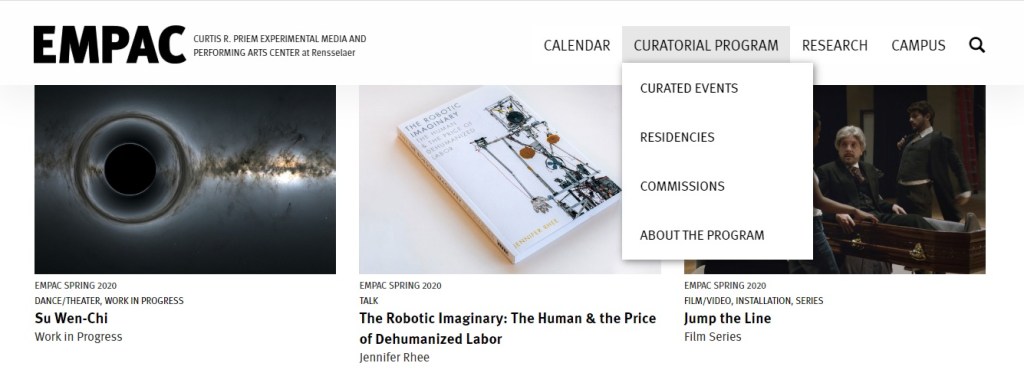
EMPACโ€”The Curtis R. Priem Experimental Media and Performing Arts Center

https://empac.rpi.edu/

The Curtis R. Priem Experimental Media and Performing Arts Center (EMPAC) is a multi-venue arts center at Rensselaer Polytechnic Institute in Troy, New York, which opened on October 3, 2008.

The founding director of EMPAC is Johannes Goebel. He was previously the director and founder of the Institute for Music and Acoustics at the Center for Art and Media Technology (ZKM) in Karlsruhe, Germany.

Curatorial Program

EMPACโ€™s curatorial program is dedicated to the commissioning, production, and presentation of ambitious performances and time-based artworks that foster meaningful engagement among artists, artworks, and our audiences. Over the past 10 years, EMPACโ€™s curatorial program has brought hundreds of artists to Rensselaer to create and perform new works across three areas of expertise: music, theater and dance, and time-based visual art.

EMPAC is committed to the in-depth support of artists over extended periods of time to realize complex projects that require not only EMPACโ€™s acoustic, spatial, and visual technological infrastructure, but also the interdisciplinary expertise of its curatorial, production, and administrative staff. 

EMPACโ€™s artists-in-residence generate the diverse range of events which open the studio doors for campus and the general public. The curated program provides visitors with a breadth of experiences from theatrical productions, concerts, audio and video installations to a rigorous interdisciplinary program of films, talks, and workshops.  

Many artworks produced at the center are made in collaboration with peer institutions, presenters, and museums, expanding the audience for an artist or artwork beyond Rensselaer and the Capital Region, centering Rensselaer within the international discourse around time-based arts and technology.

Residencies

Curated Residencies

Artist residencies are the heart of the curatorial program at EMPAC. Much of the work that we present is first developed in residency. In some cases, residencies serve as preliminary work for co-commissioned performances that find their premiere elsewhere. In both cases, curated EMPAC residencies figure into the overarching programming vision of the attending curator and often provide space, resources, and expertise unavailable elsewhere.

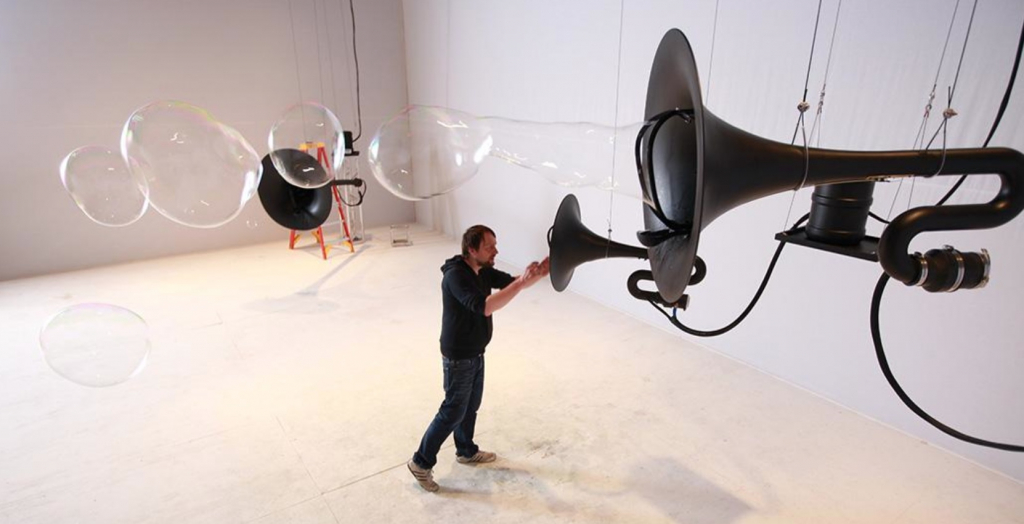
Example: Commissioned and partially developed through the EMPAC artist-in-residency program, Extra Shapes is a performance for lunging figures, a musical concert for loudspeakers, and a light show.

https://empac.rpi.edu/events/2015/extra-shapes

Seanson

Curated Events

EMPACโ€”The Curtis R. Priem Experimental Media and Performing Arts Center at Rensselaer Polytechnic Institute is where the arts, sciences, and technology meet under one roof and breathe the same air. Four exceptional venues enable audiences, artists, and researchers to inquire, experiment, develop, and experience the ever-changing relationship between our senses, technology, and the worlds we create around us.

he 220,000-square foot building includes many firsts in the fields of acoustics, performing arts infrastructure, and architectural engineering. The integration of these features with audio, video, lighting, computer, and stage rigging networks makes EMPAC an ideal environment for human interaction with digital media.

Both a performing arts center and research and production facility, EMPAC provides an environment that supports the realization of complex artworks and research projects at any stage, from inception to completion.

The center has three curators focused on the areas of time-based visual art, theater, dance, and music. Within an interdisciplinary framework, each EMPAC curator is responsible for supporting the development and production of new works that stretch the boundaries of their field, interface with a diverse roster of international artists, and program challenging, adventurous performances for the Rensselaer campus and Capital Region communities. The team is led by founding director Johannes Goebel, who continues to be involved worldwide in the intellectual exchange on art, science, and technology, pursuing the questions of political, cultural, educational, and aesthetic relevance of the field.

Angela Stรถcklin

https://thefusionprojects.blogspot.com/

Angela Stoecklin grew up in Iran and Nepal, and has been living in Switzerland since 1979. Practices in music and visual arts led her to dance. She was at Arts school Basel, got her dance education at ch- tanztheater Zurich, and holds a Master of Arts BFH in Contemporary Arts Practise. Angela worked and still works as dancer with numerous contemporary companies and productions in Switzerland, Germany and Belgium.

Creating her own projects, that lie more and more also in the interdisciplinary field, she closes the cycle of her artistic background. Fixed choreography which dismantels a specific form as necessity in the due of a process, as well as the momentary re/acting Instant Composition as direct interaction and absolute presence in the now are parts of her interests and means of working. She explores the multilayered facettes of communication and perception and explores process-oriented approaches. She has created choreography, performative and installation pieces, short to evening long productions, solo and interdisciplinary projects, and does intercultural work.

In 2019 she launched the first Festival Instant Composition for dance, artistics and music in Zurich. She is dance and movement pedagogue, acupressure therapist and Taijiquan and Qi Gong instructor.

“ghosts”, (Spazio Ludens2)

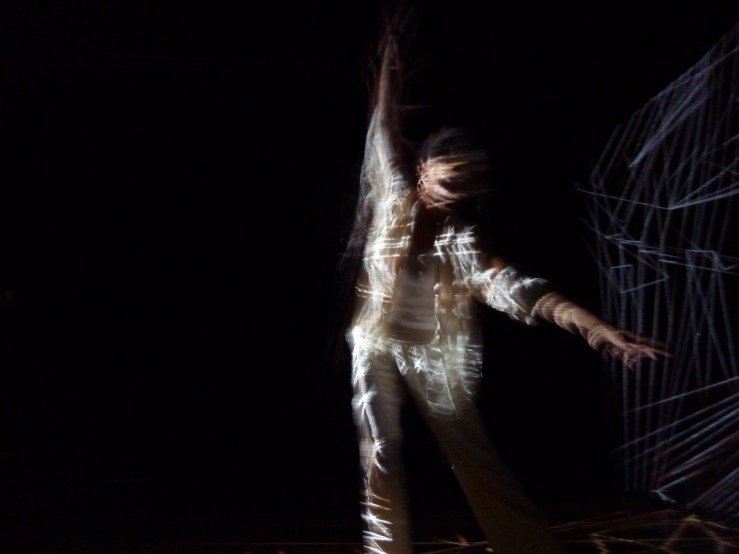
In โ€žghostsโ€œ, (Spazio Ludens2) a dacer, a musician, a visual spacial artist and a light designer interact in different spaces. Inspired by each specific situation they playfully transform them in installative performances. You find yourself in the midst of dream and nightmare, dense athmospheric imagry and silent shadows rushing by. Well tuned compositions meet the chaotic, childlike scenes with eerie ones.
  • Angela Stรถcklin (concept, movement)
  • Matthias Rรผegg (spacial design)
  • Anselm Caminada (Sound)
  • Antje Brรผckner (lighting design)

trans-form

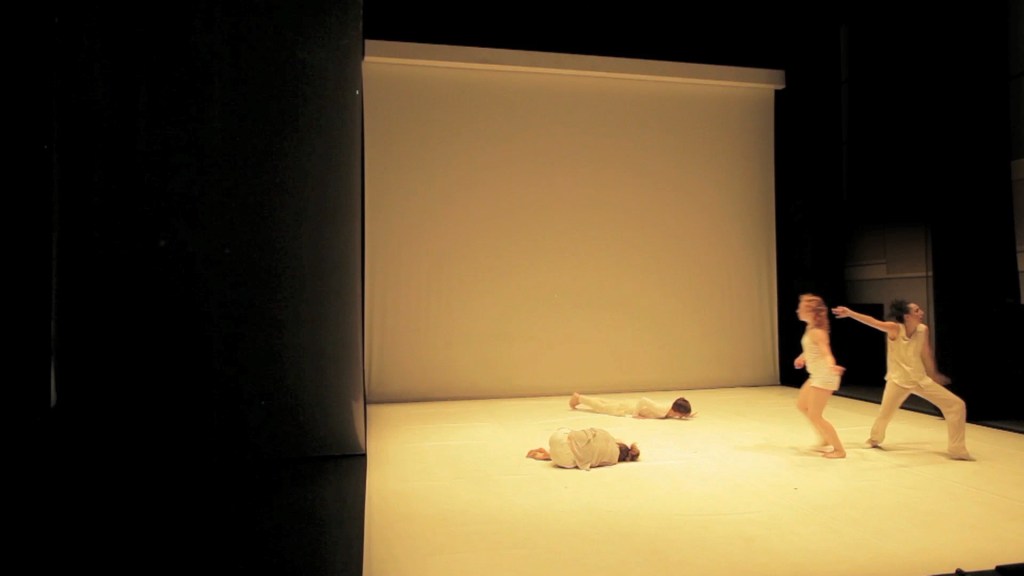
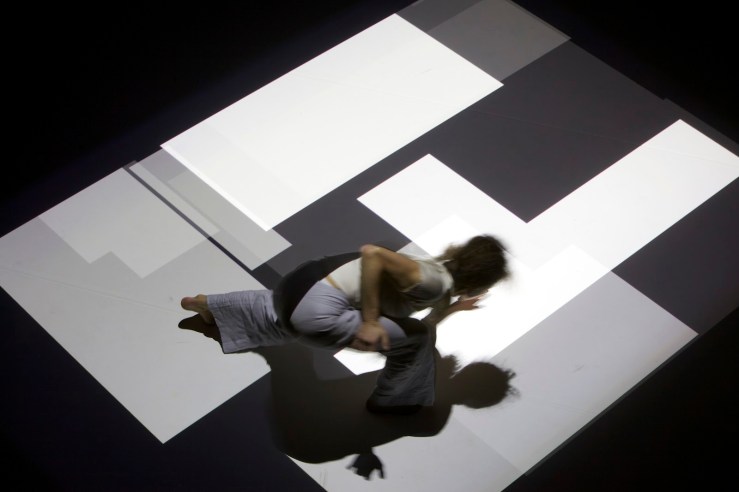
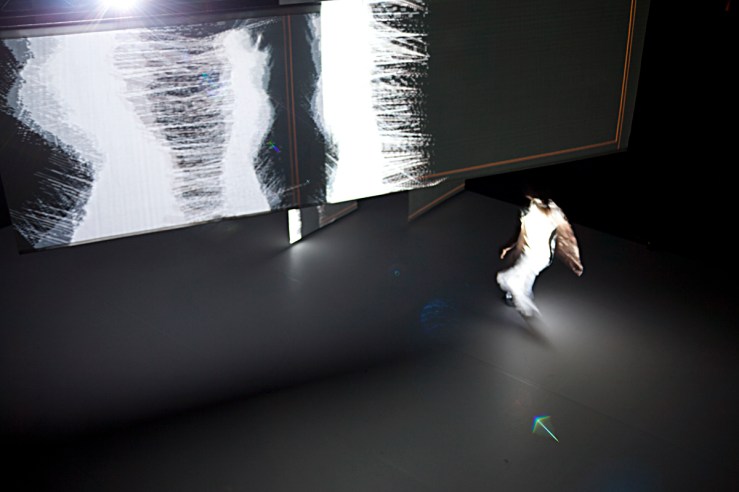
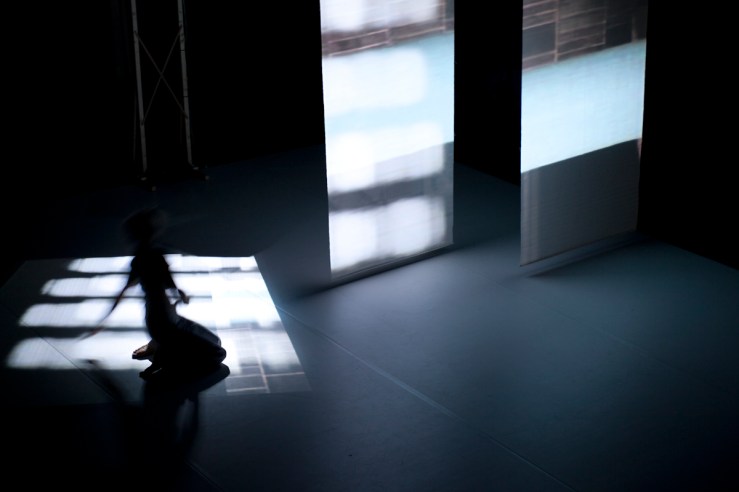
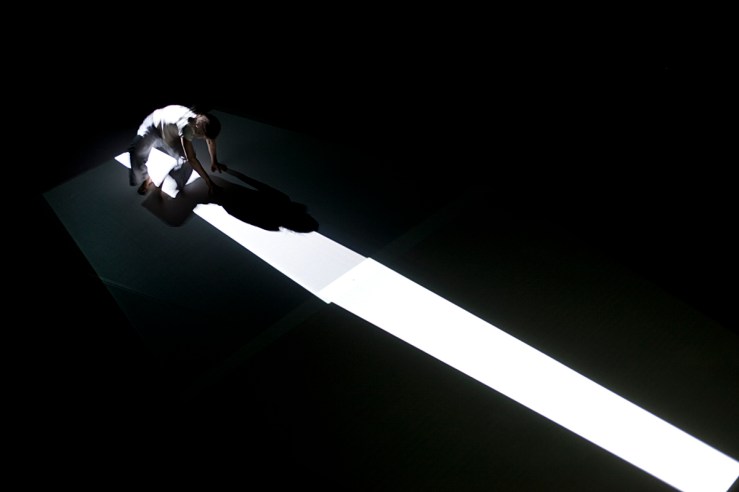
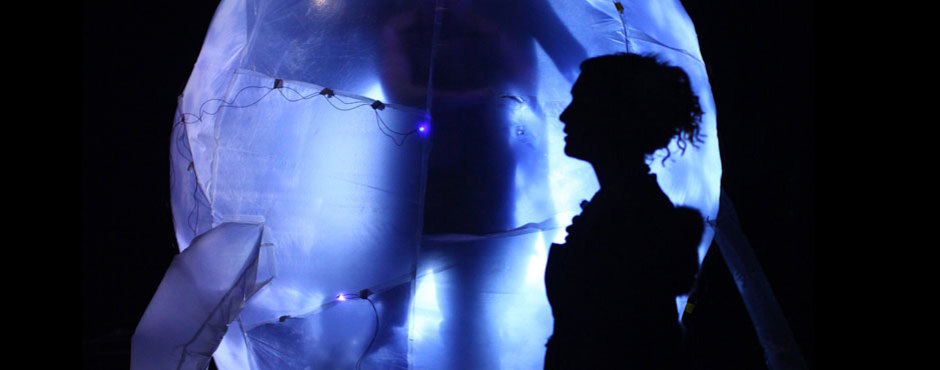
on a white open field and a space continuously being structured by screens movement (Angela Stoecklin, music (Marie-Cรฉcile Reber) and light and images (Jan Schacher) play and become entwined. They interact in multiple layers of tension between freedom and dependance, structure and limitation, and try themselves with the imposibility of communication. Reciprocal restrictions lead to breaking out and flight, mutual impulses to an approach, which allows flickering moments of synchronicity. Engagement densifies and transforms, and unnoticably perception shifts. The interdisciplinary performance โ€žtrans-formโ€œย deals with in/dependency and control in relationships and encounters.
http://www.jasch.ch/transform.html

roundabout

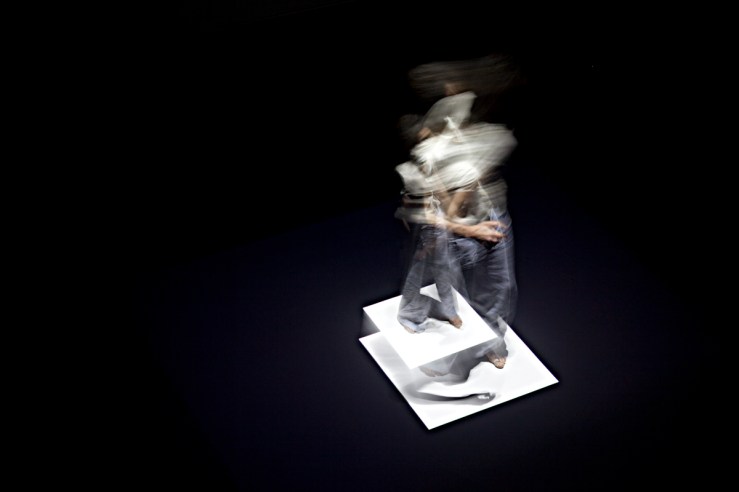
installative performance: In a circle, surrounded by more or less reflecting panels a game of view-point, eye-catching and relating increases towards a tumultuous chase between performer, light and sound.

SPACEnr1 floating

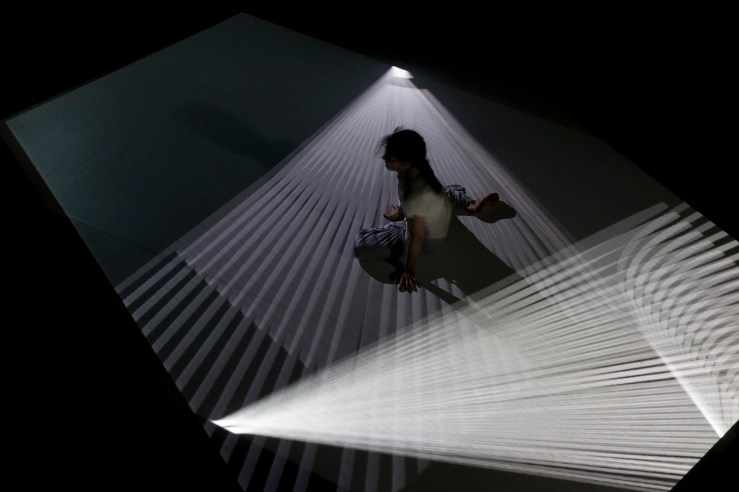
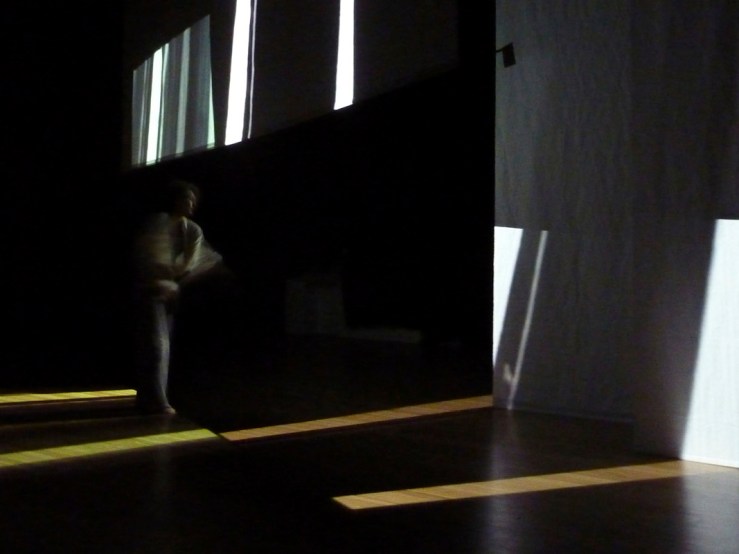
Light-apparitions dancing restlessly over walls and ceiling, plunging the space into darkness and light. A figure as secret tamer directs this play. Drawn out sounds put densifying atmospheres. Reflections, overlapping shadows, suddenly the face recognised in a mirror. Movement triples, eye is irritated as orientation gets disrupted and shifts. There is no story told, but many insinuated.

Time out of Time: A Special Place – Official Trailer [HD]

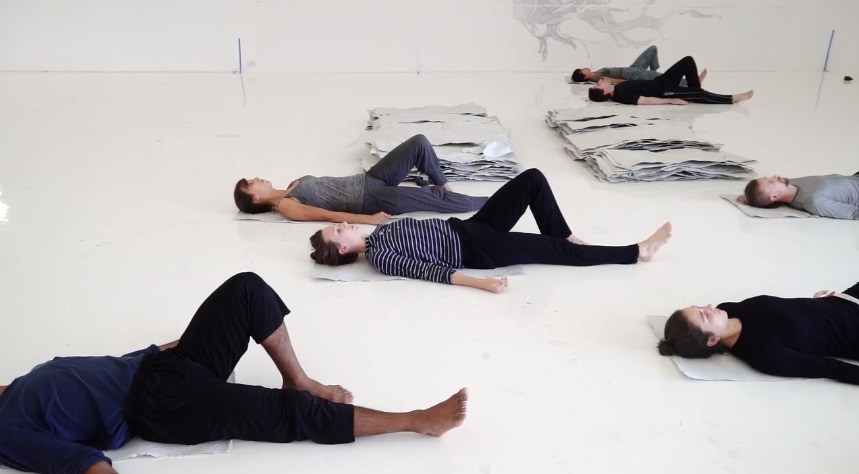
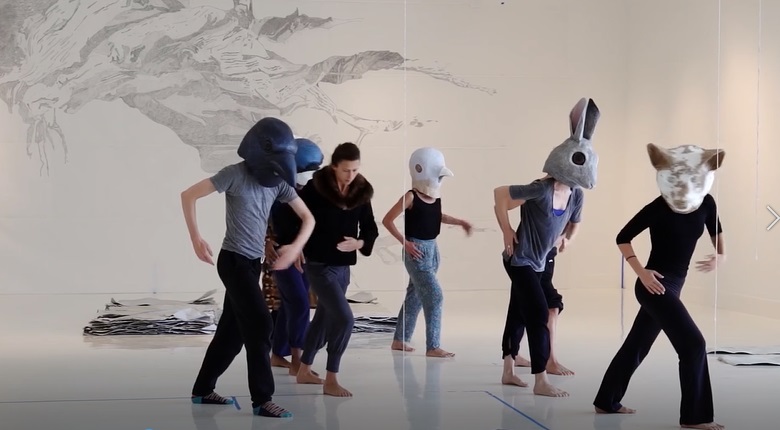
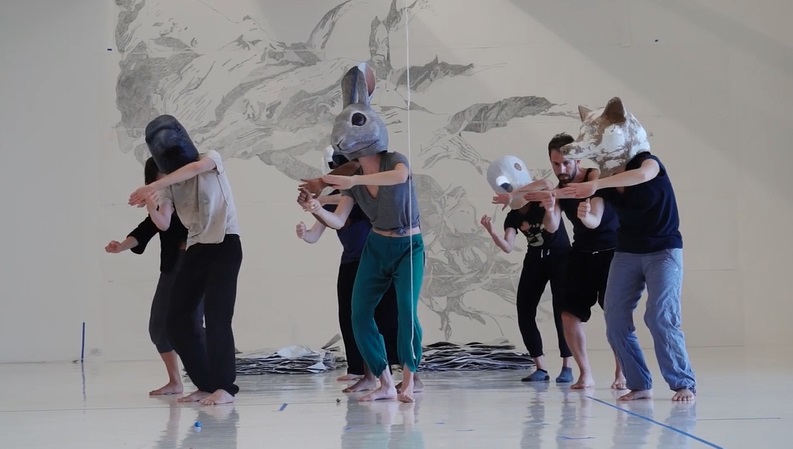
โ€œTime out of Time: A Special Placeโ€ as a dance piece in progress produced by Amman based dance company Studio 8 in collaboration with artist duet of French sound artist Franรงois Donato and French/Iranian visual artist Golnaz Behrouznia. The in-progress result is a trans-disciplinary live performance which was presented to the audience of Jordan at 25th of August, 2019 as part of INTERNATIONAL DANCE ENCOUNTER AMMAN(IDEA) festival.
Director/Choreographer: Abd Al Hadi Abunahleh
Assistant Director: Xiaoman Ren
Dance: Emran Alamareen, Daniel Issa, Nadeen Dabass, Kate Port, Ziad Hajir, Anas Nahleh, Oliveira Jara
Visual Arts: Golnaz Behrouznia
Sound Designer: Francois Donato
Trailer Video Edit: Golnaz Behrouznia
Trailer Sound Design: Francois Donato
Trailer Video-graphy: Mohammad Ali