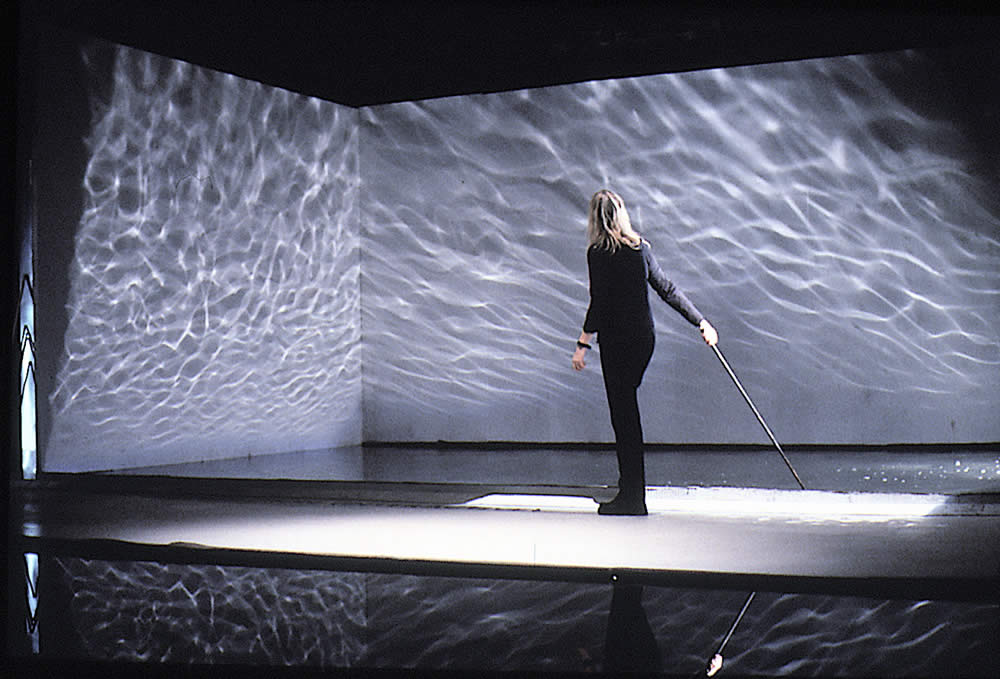
Olafur Eliasson

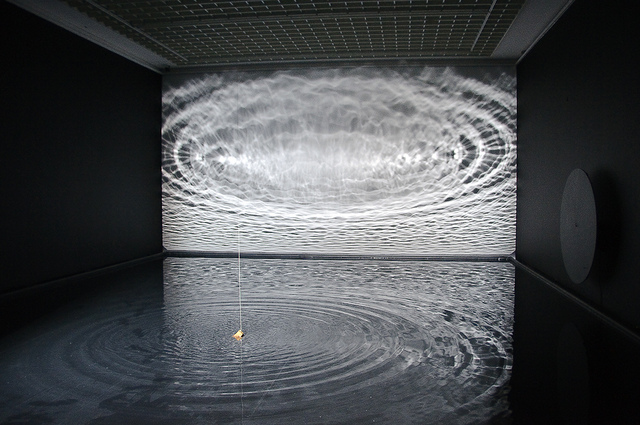
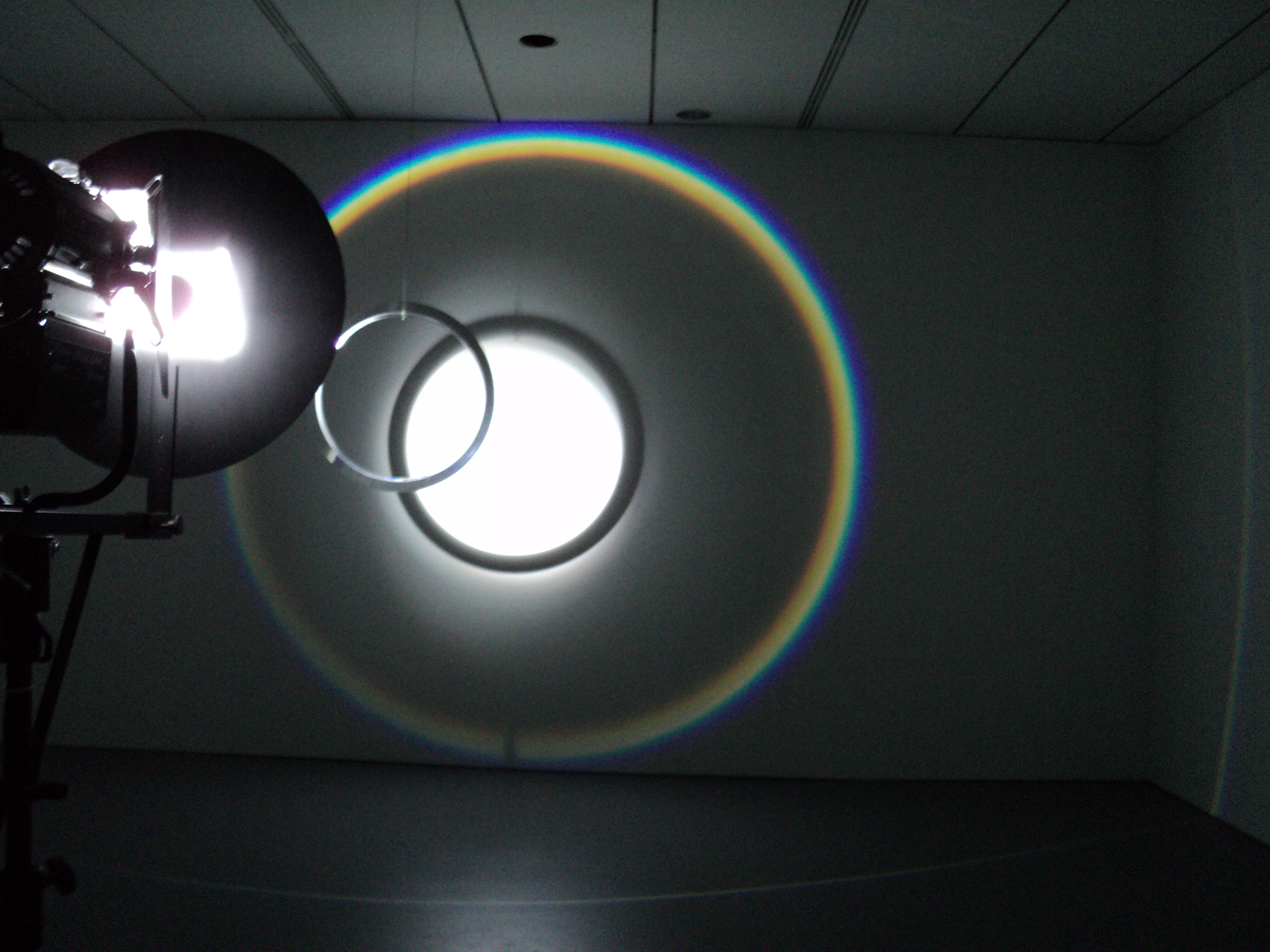
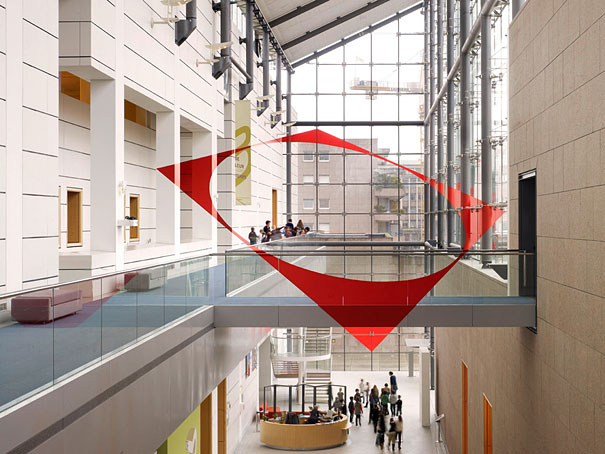
Olafur Eliasson is a Danish-Icelandic artist known for sculptures and large-scale installation art employing elemental materials such as light, water, and air temperature to enhance the viewerโ€™s experience.ย 

https://www.olafureliasson.net/

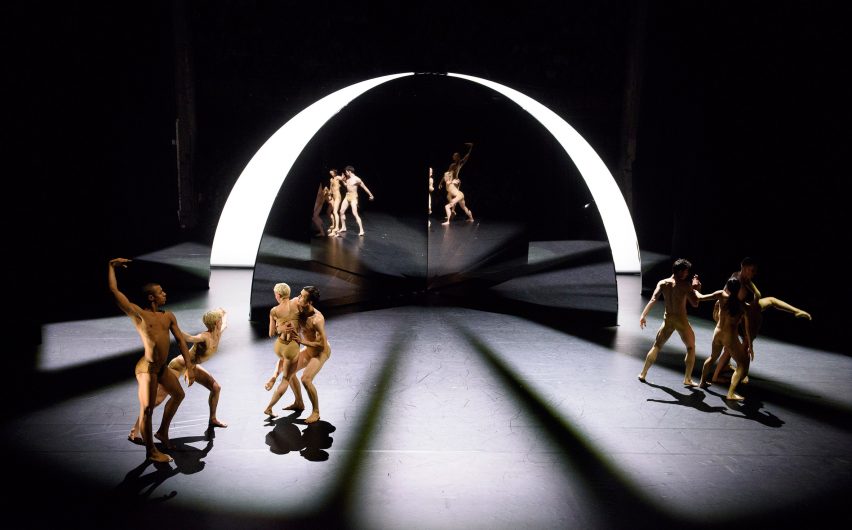
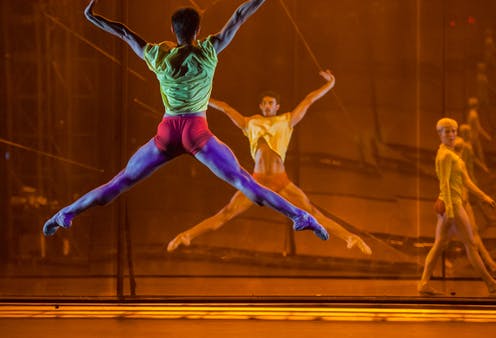
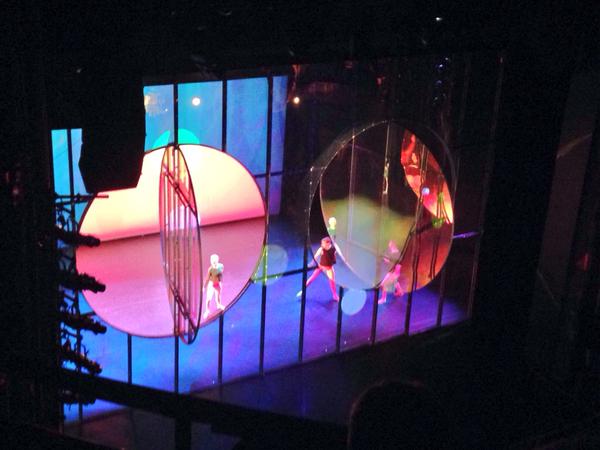
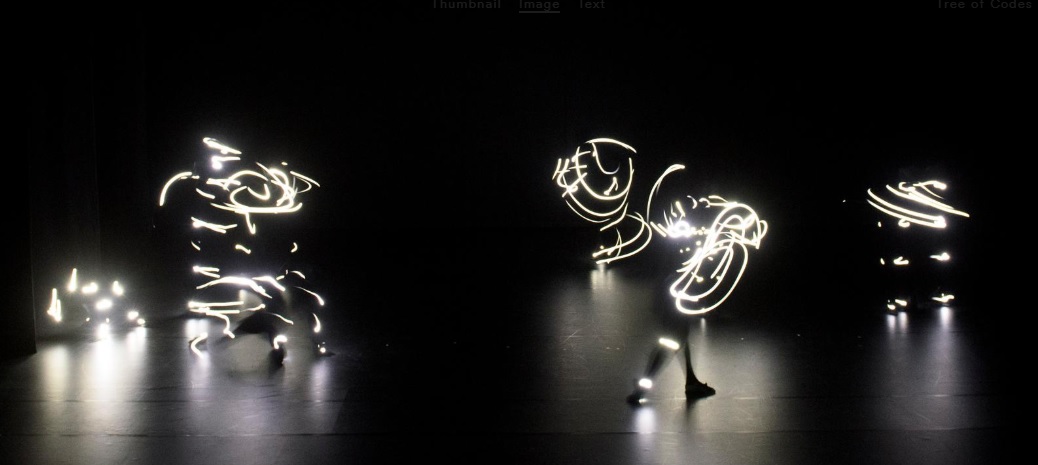
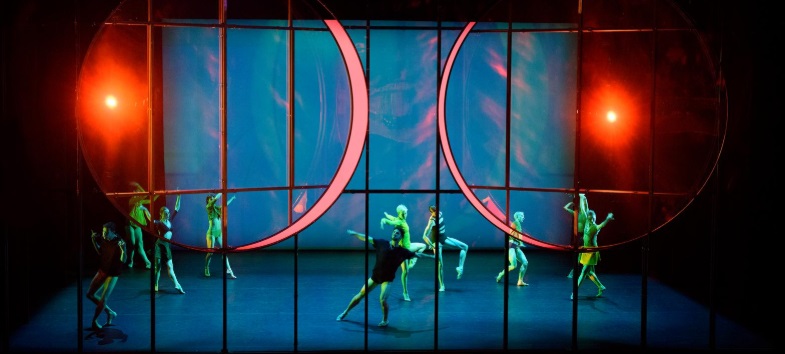
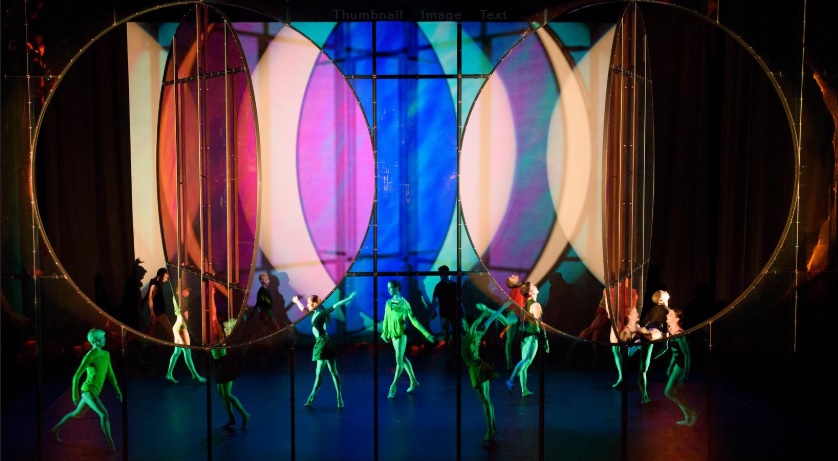
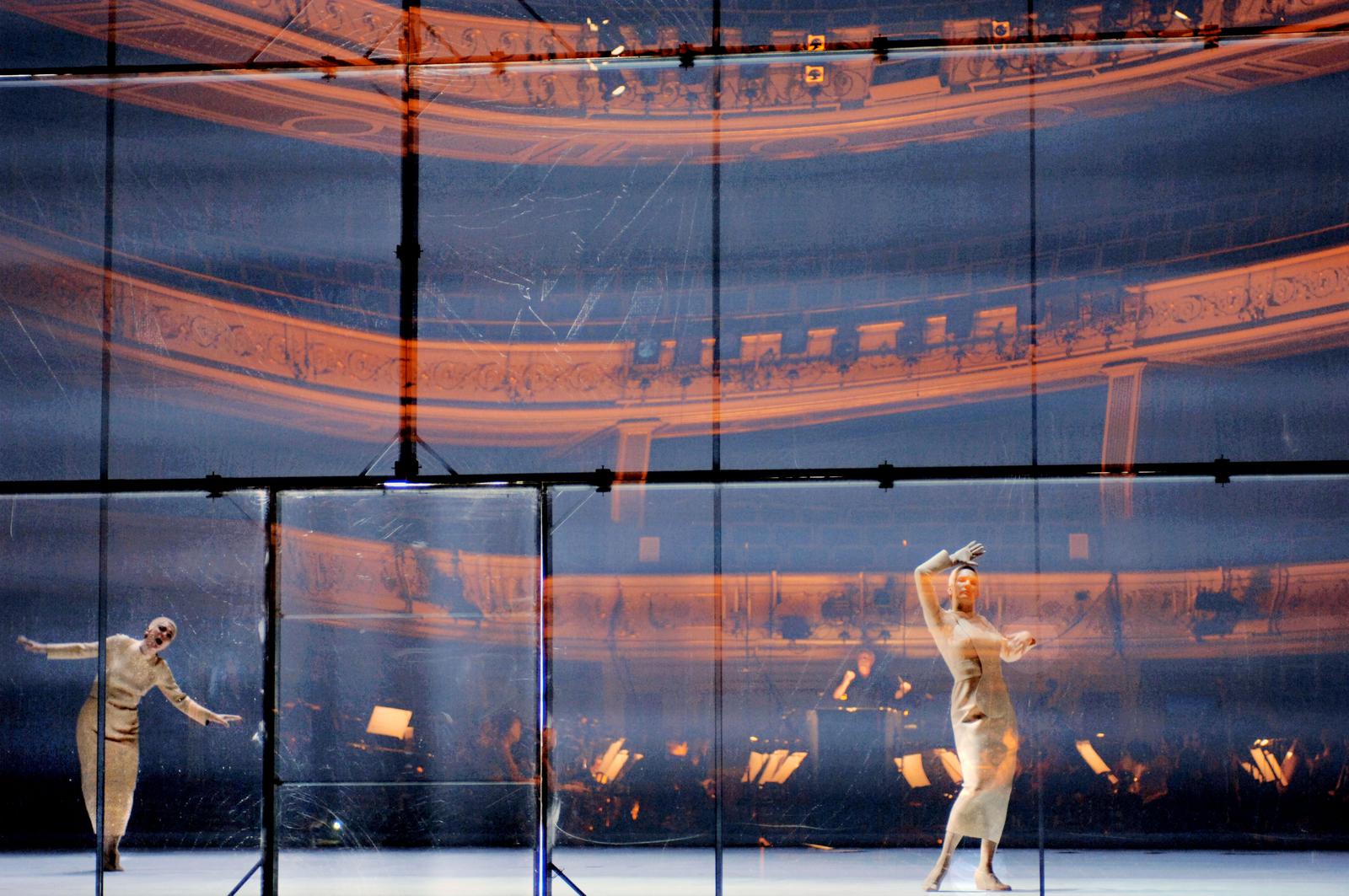
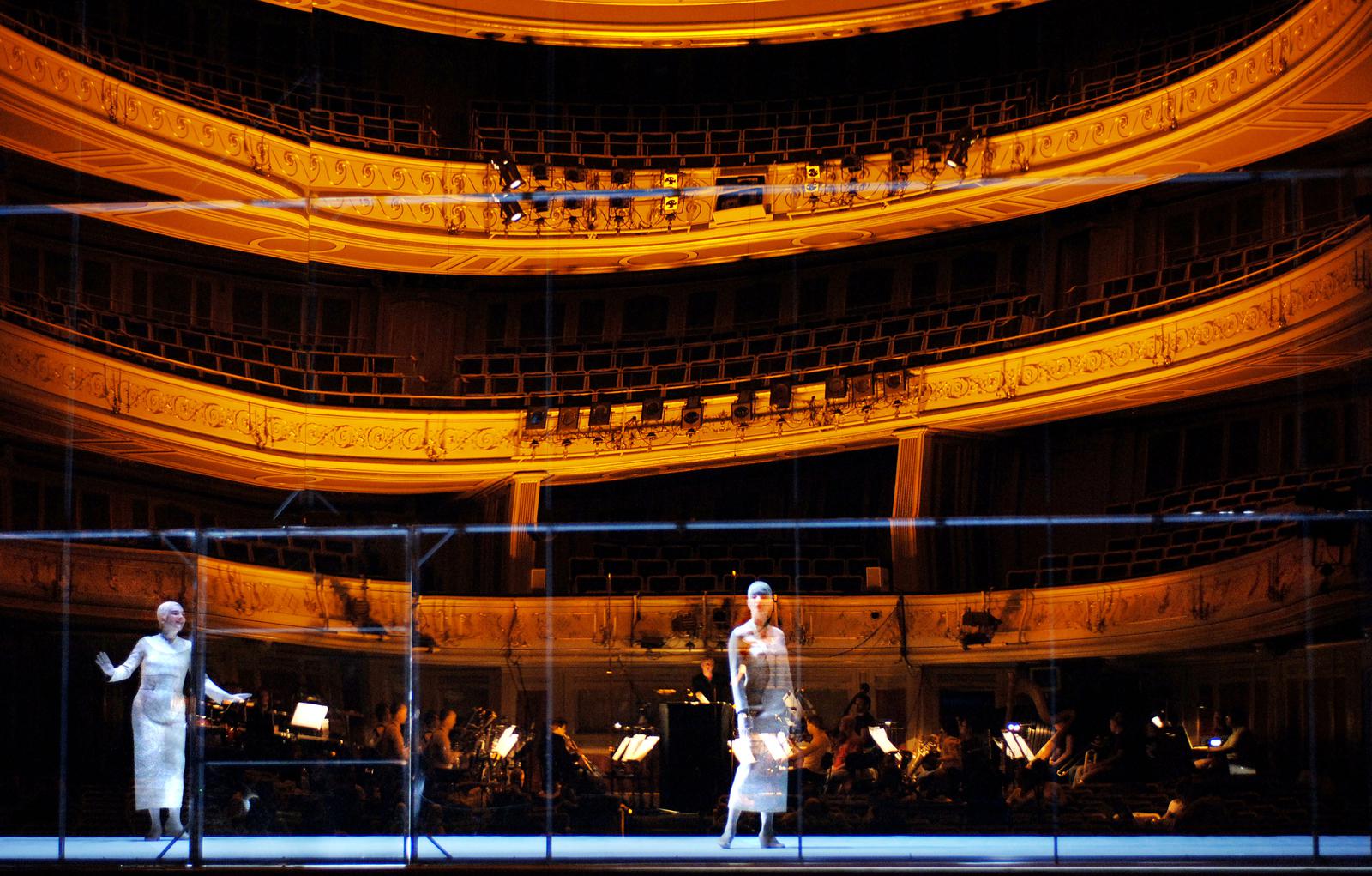
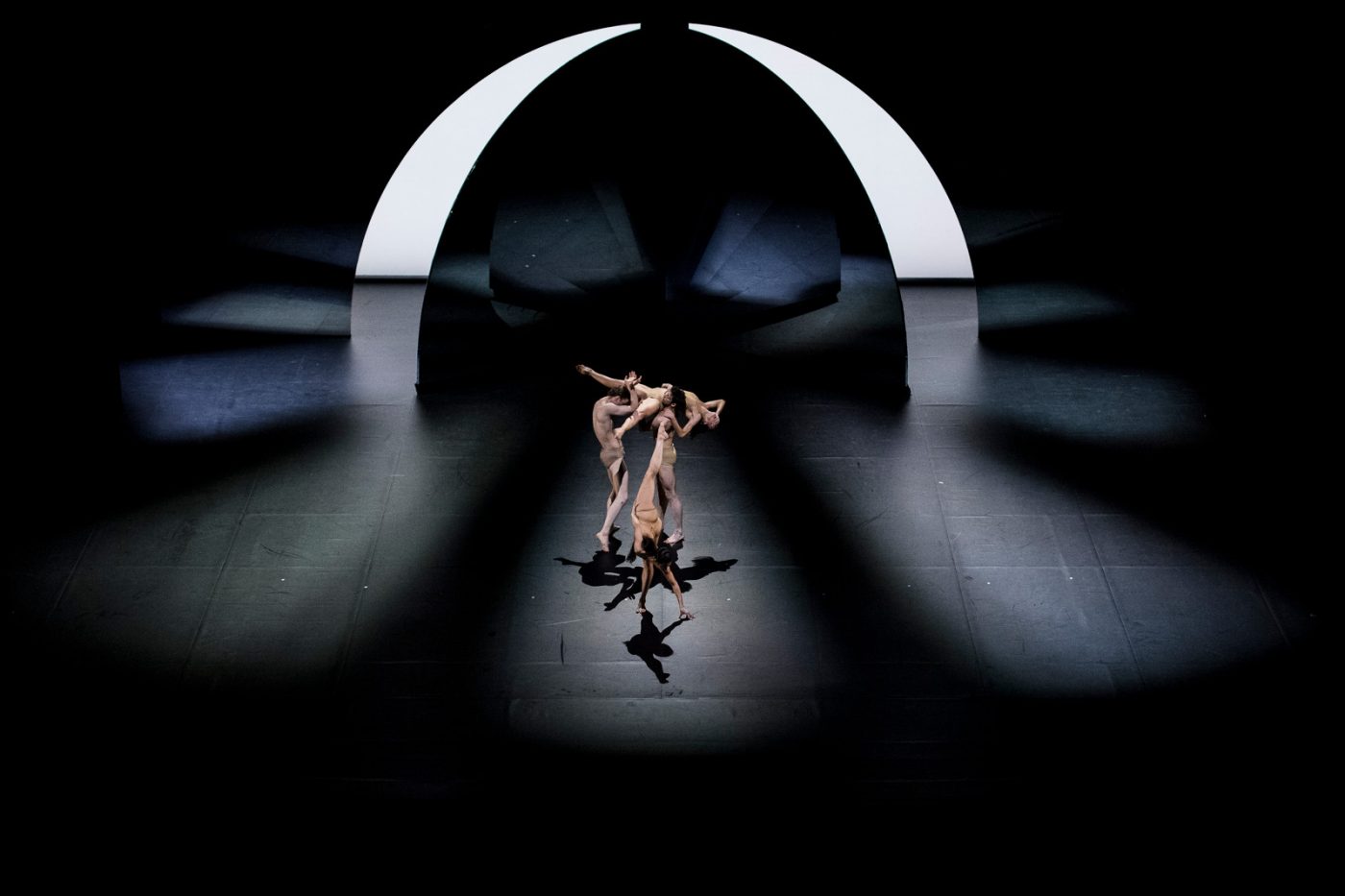
Olafur Eliasson developed the visual concept for the contemporary ballet Tree of Codes, choreographed by Wayne McGregor and with music composed by Jamie xx.

2015

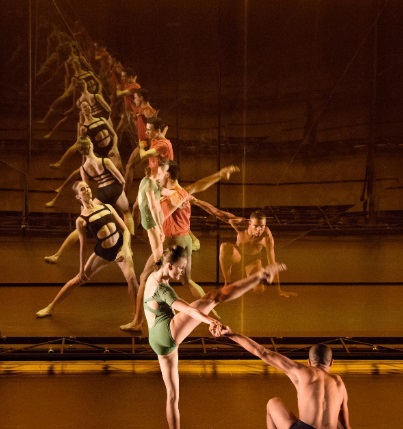
The stage design uses intricate sets of reflective, transparent, and refractive surfaces and coloured light to create a dynamic, ever-evolving, and complexly layered space in which the dancers are multiplied and overlap.

Lights panning over the audience cause its spectral image to appear on the stage’s reflective, coloured scrims, integrating the viewers with the activity on the stage.

Triggered by Jonathan Safran Foerโ€™s Tree of Codes (an artwork in the form of a book, which was in turn inspired by Street of Crocodiles, by Bruno Schulz), this new, evening-length work features a company of soloists from the Paris Opera Ballet and dancers from Wayne McGregor Random Dance.
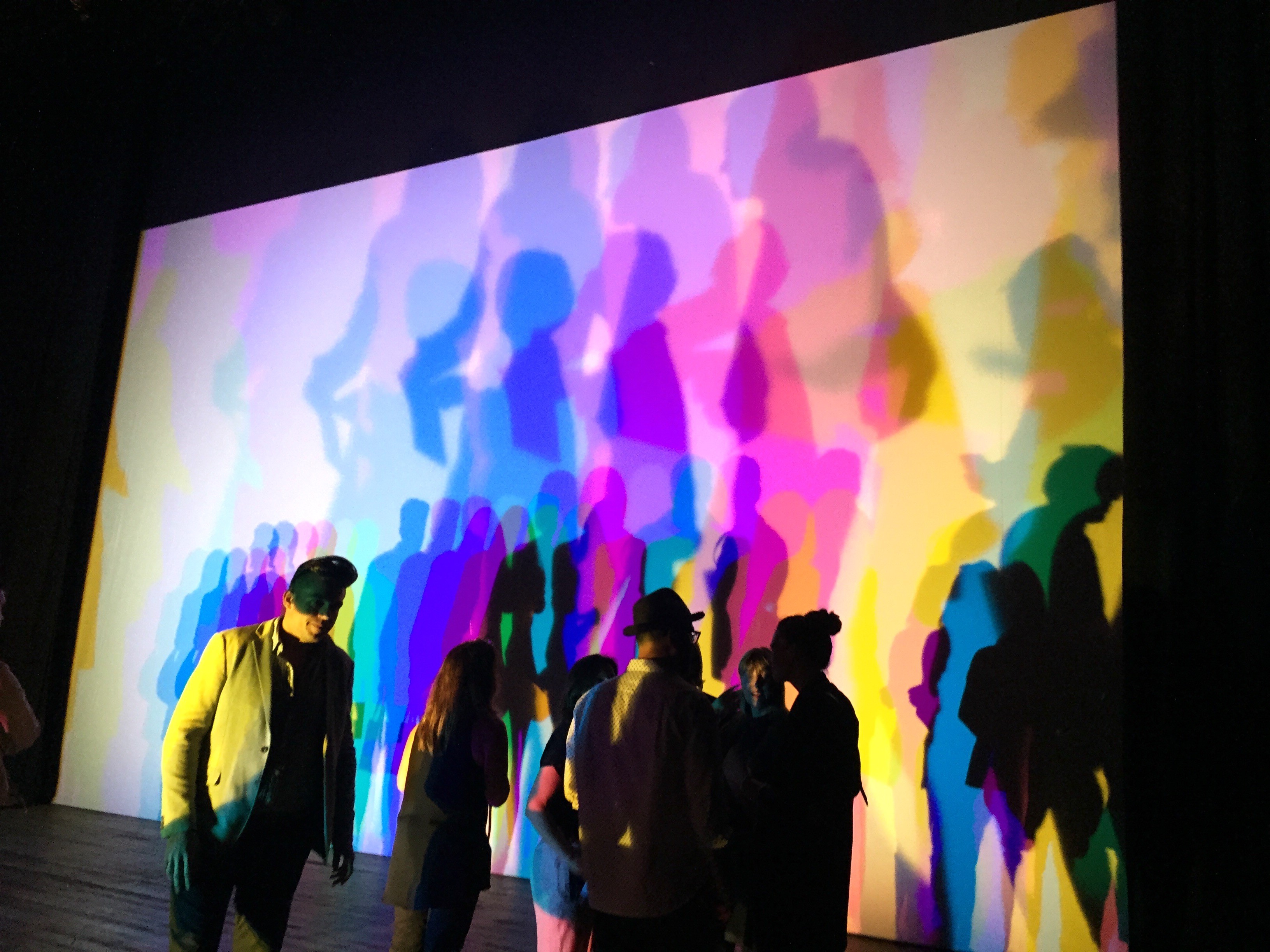
2007

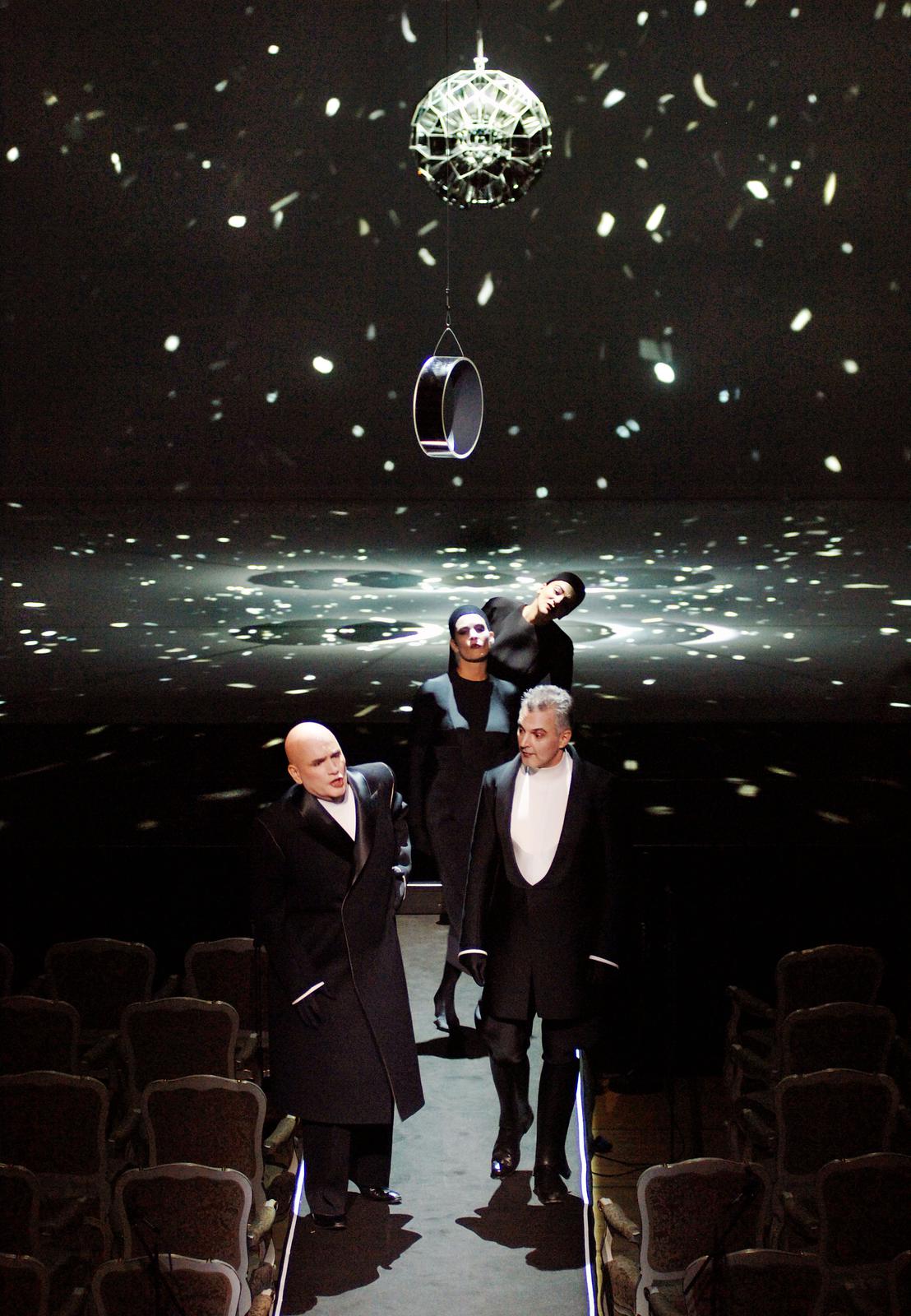
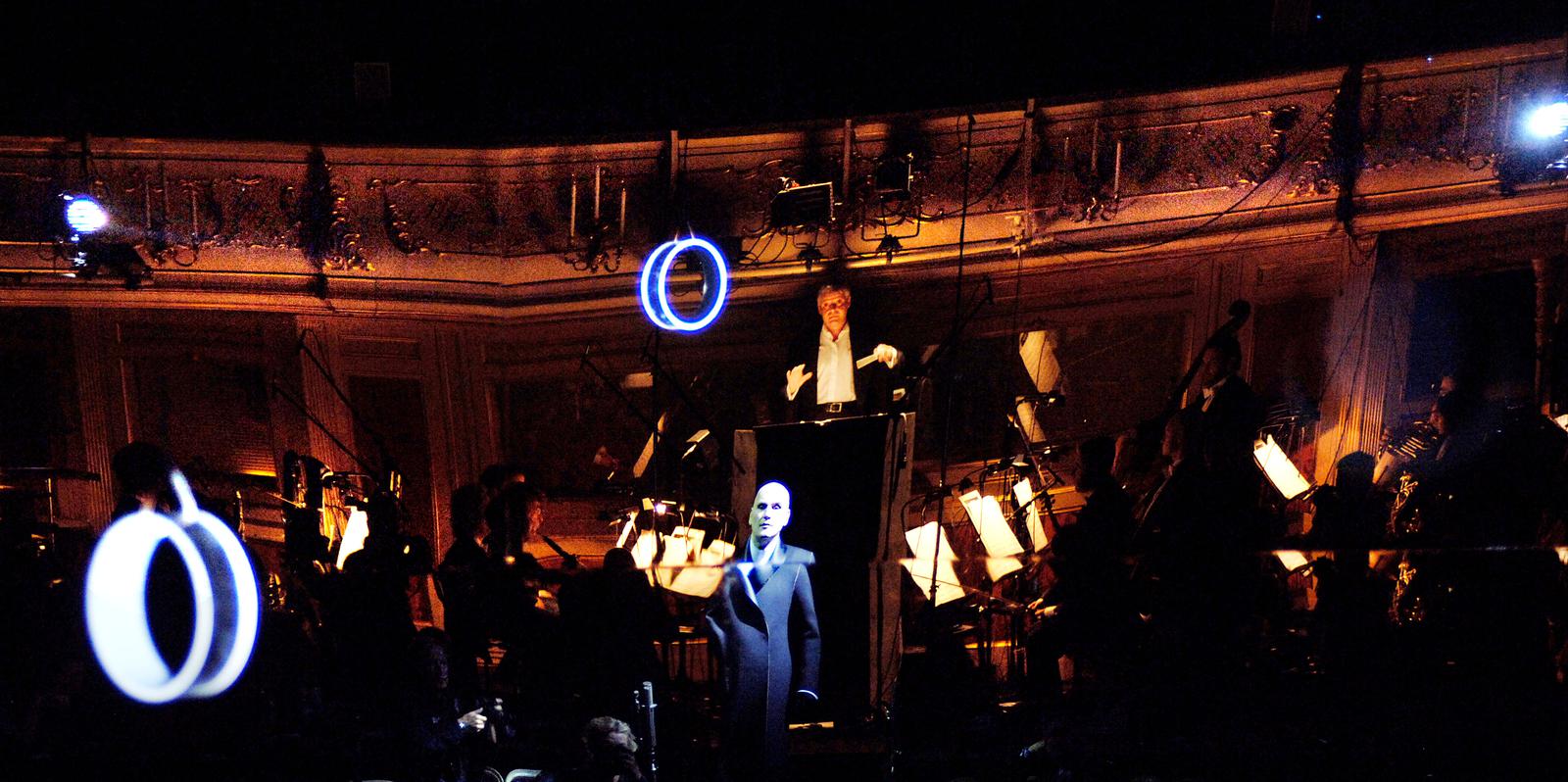
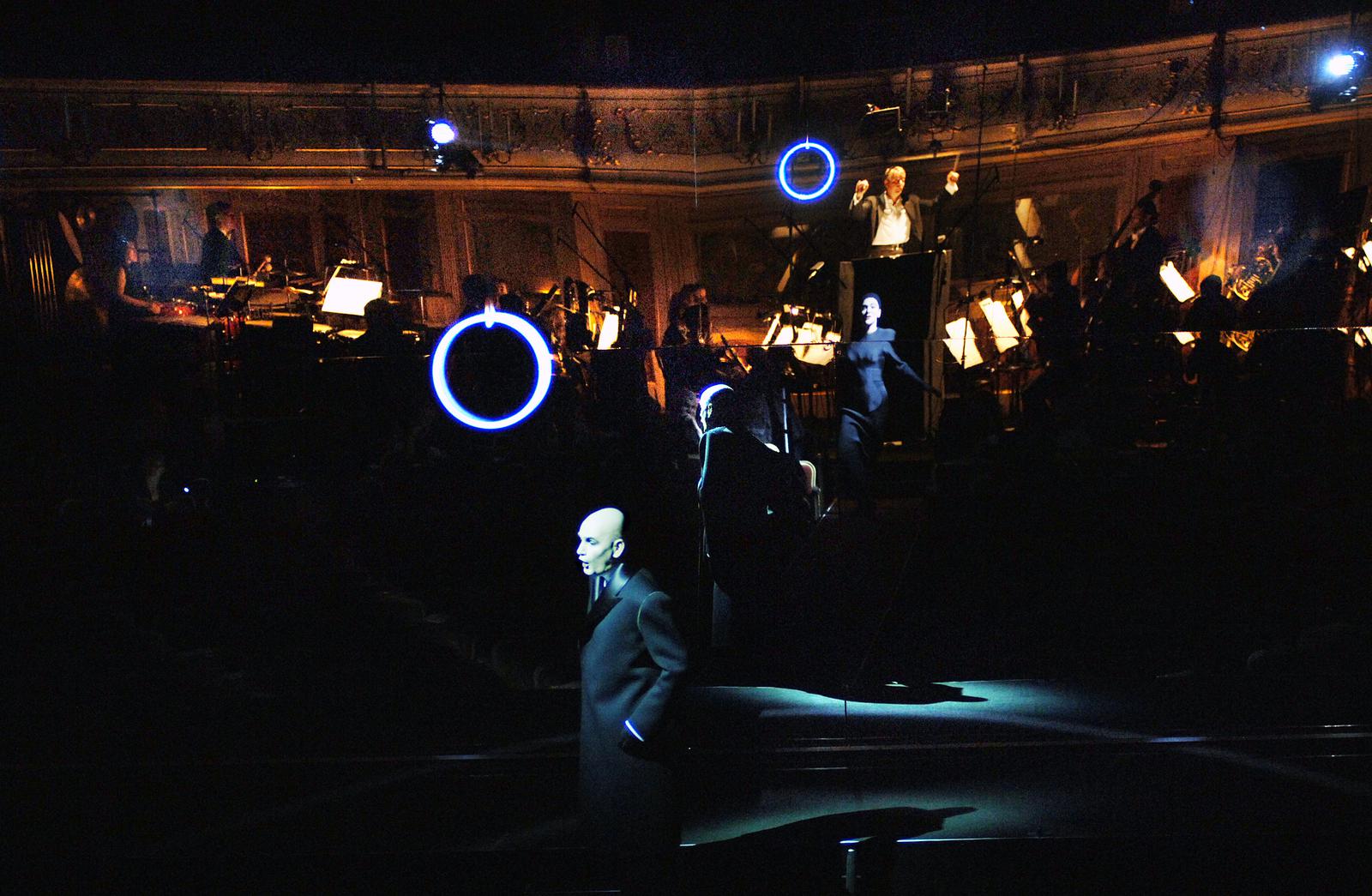
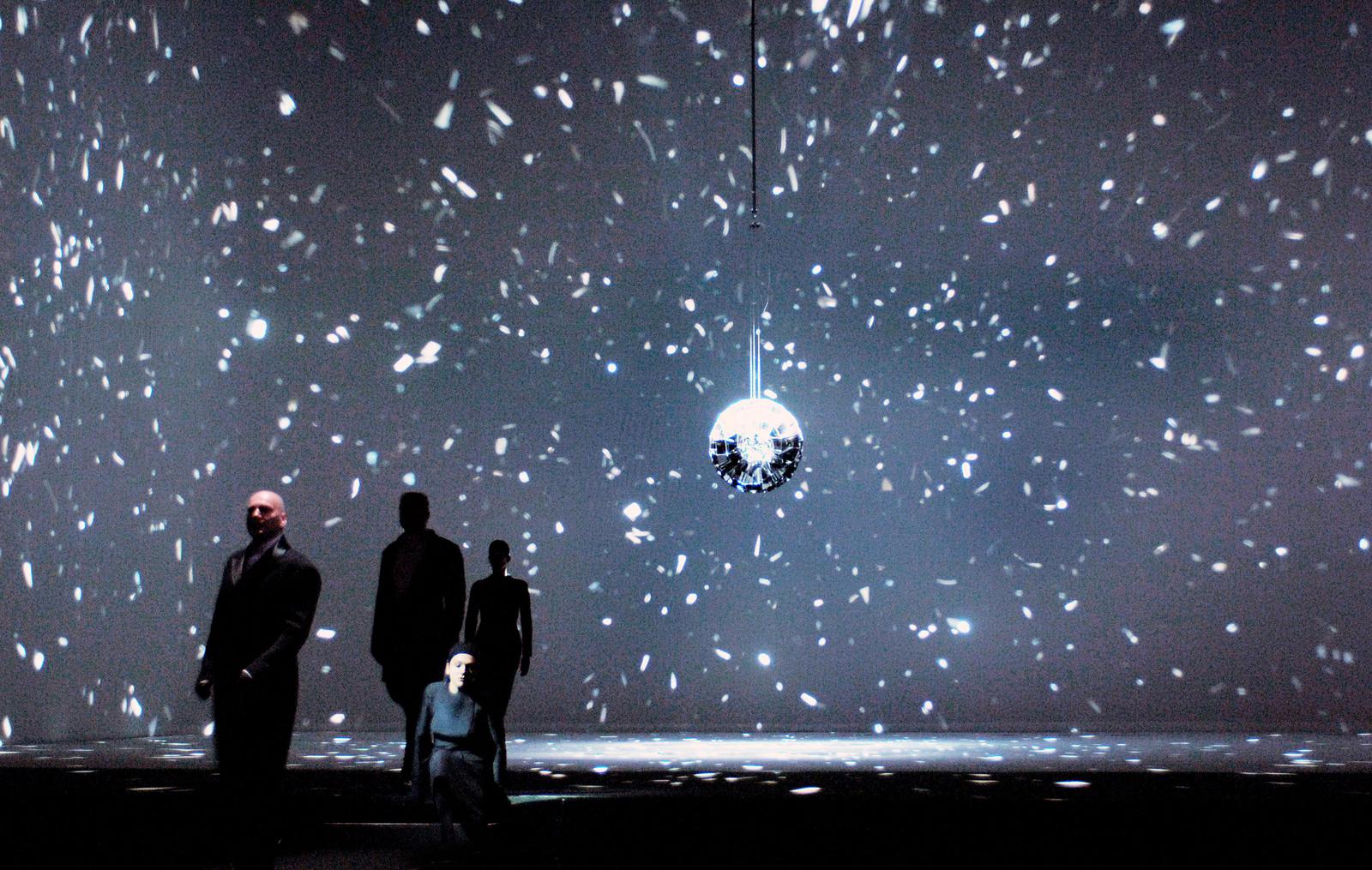
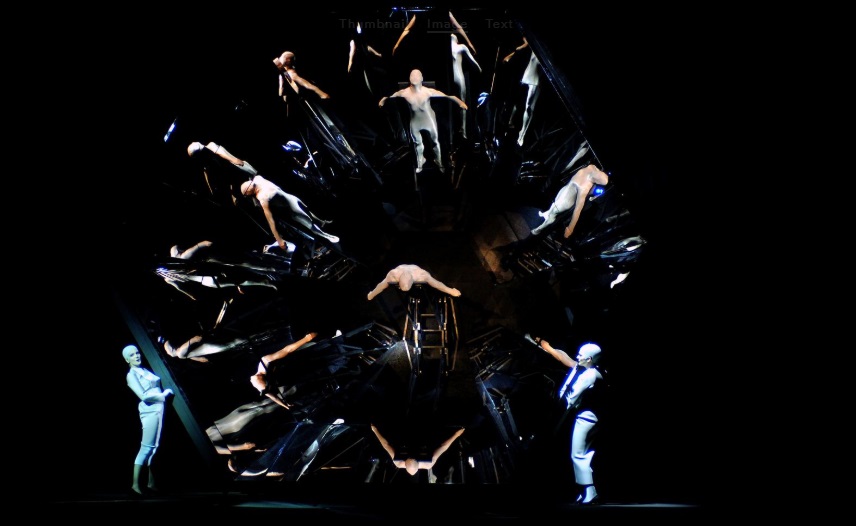
The opera Phaedra by German composer Hans Werner Henze was commissioned by the Staatsoper in Berlin and premiered in September 2007.

Eliasson created the spatial concept.

The focus of the individual scenes alternated between the music and the visual elements. These comprised monofrequency lights; a kaleidoscope; the works Your space embracer 2004 and Square sphere 2007; and a vertical mirror that spanned the entire stage and reflected the audience as well as the orchestra, which had been moved to the back of the auditorium.ย 


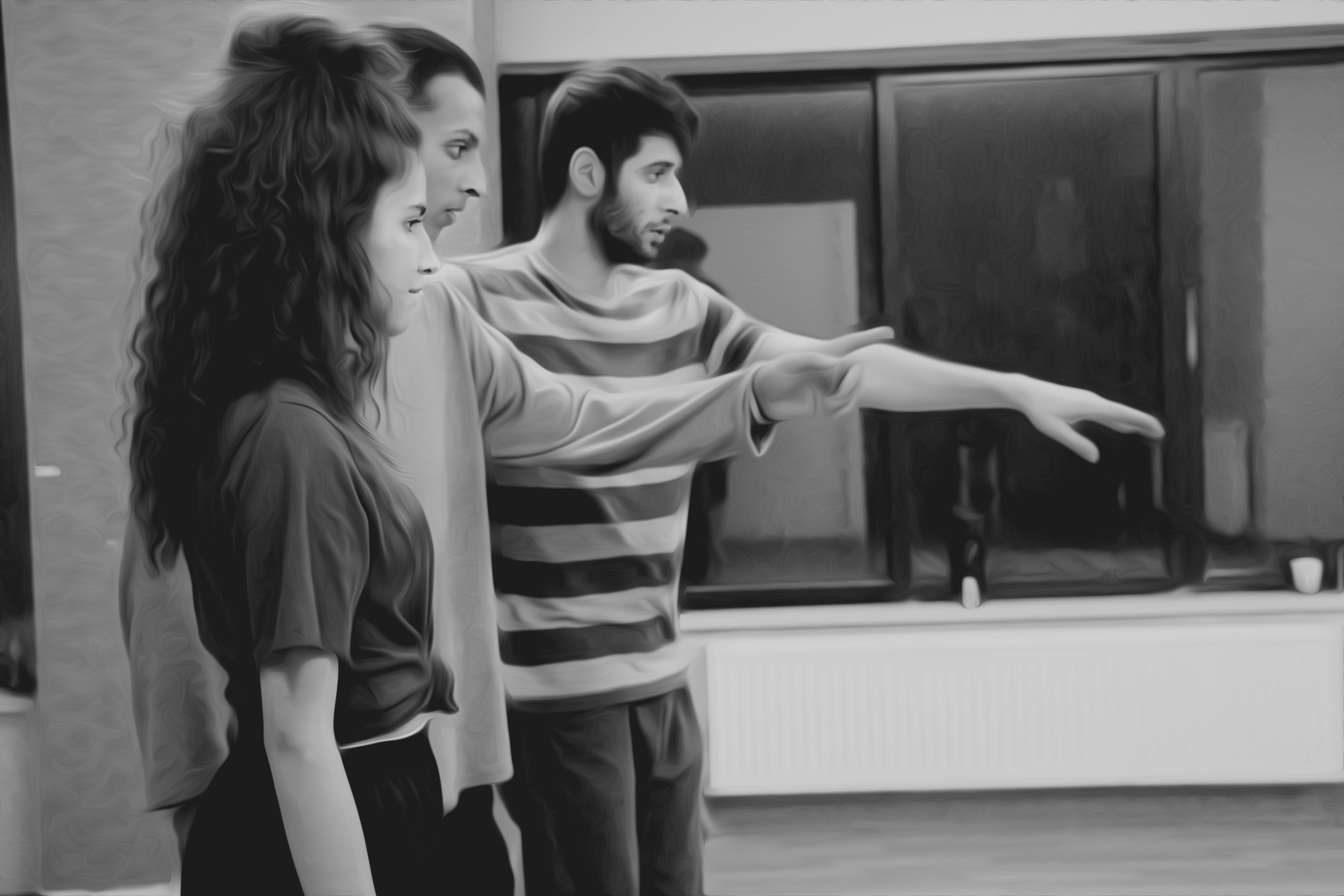
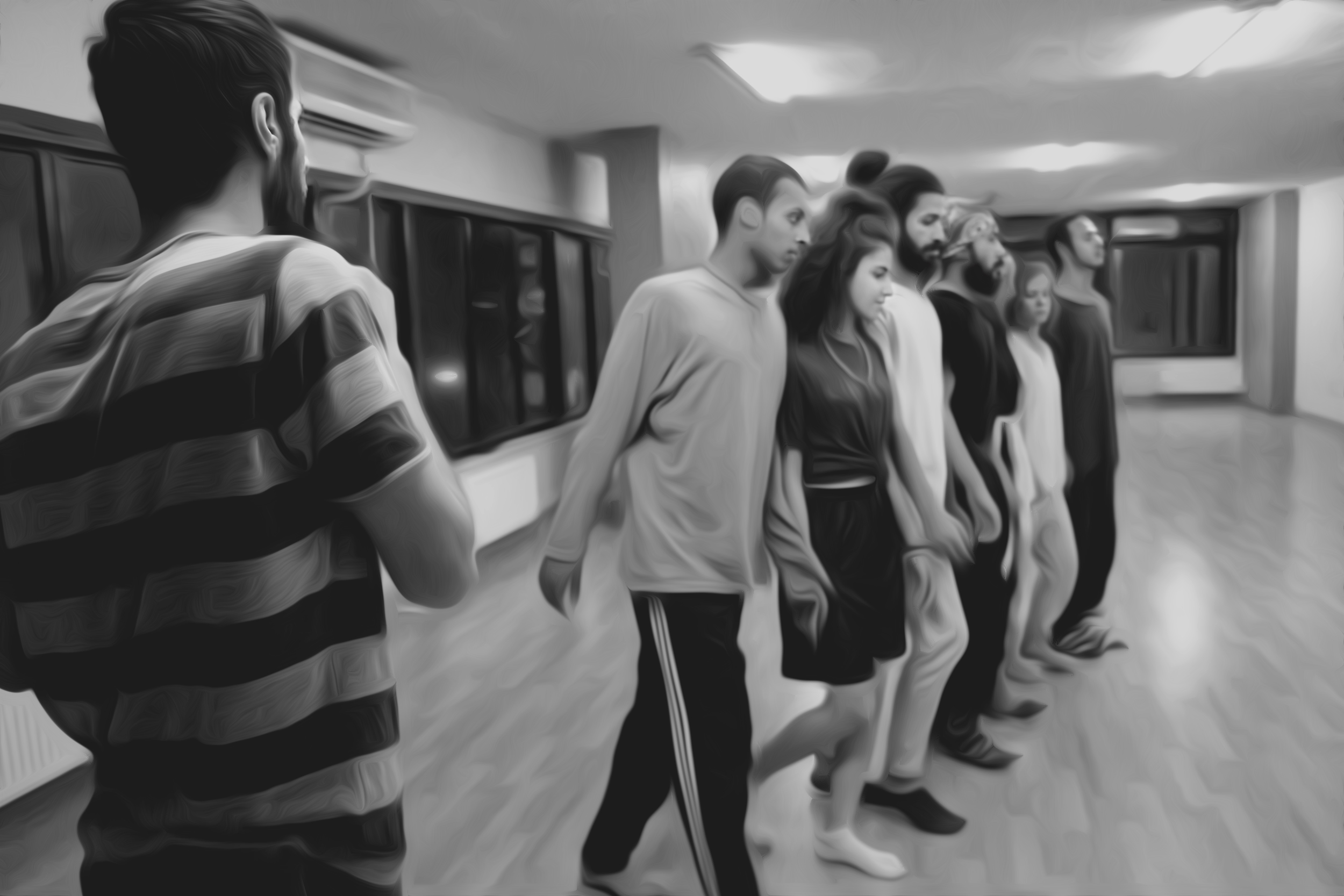
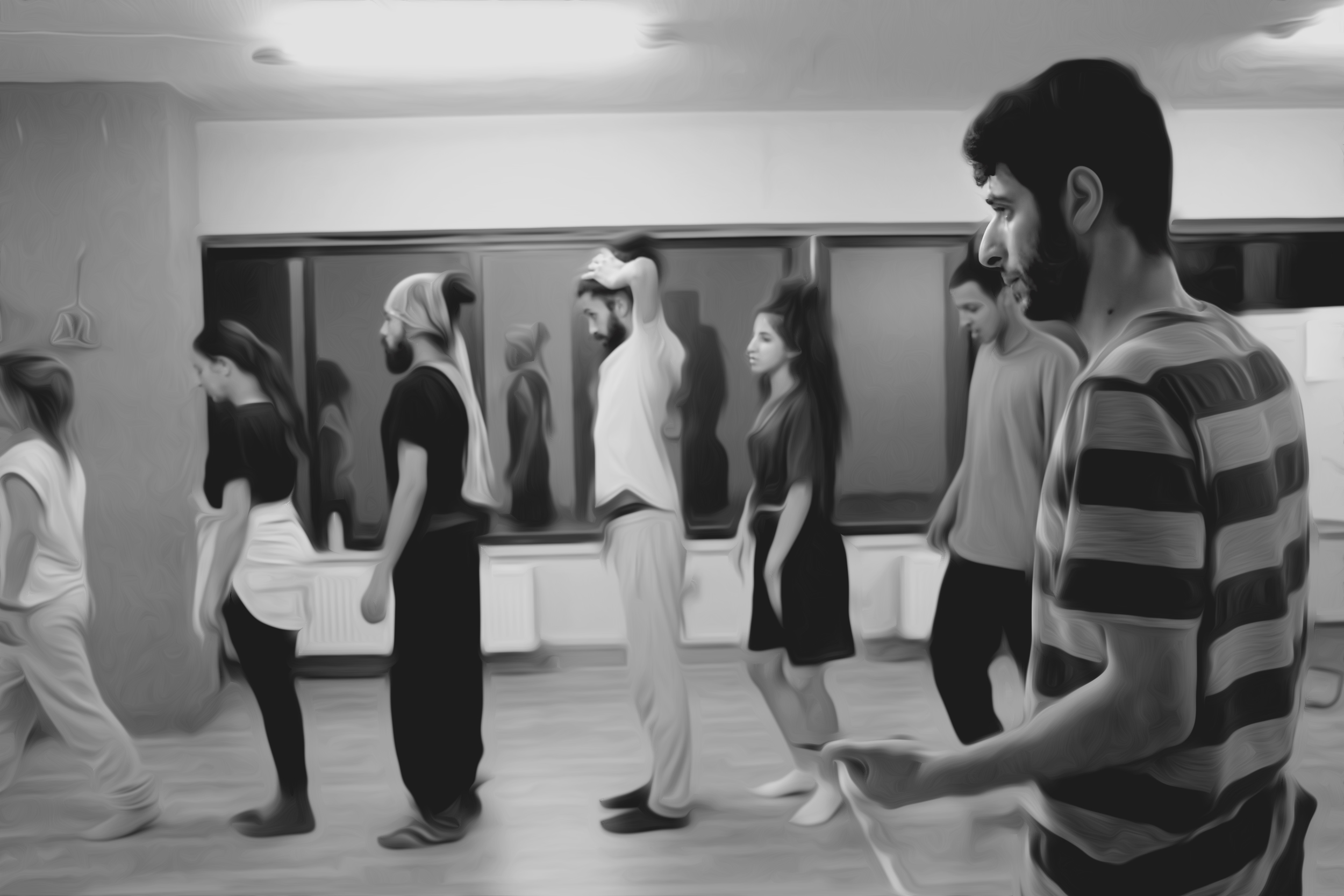
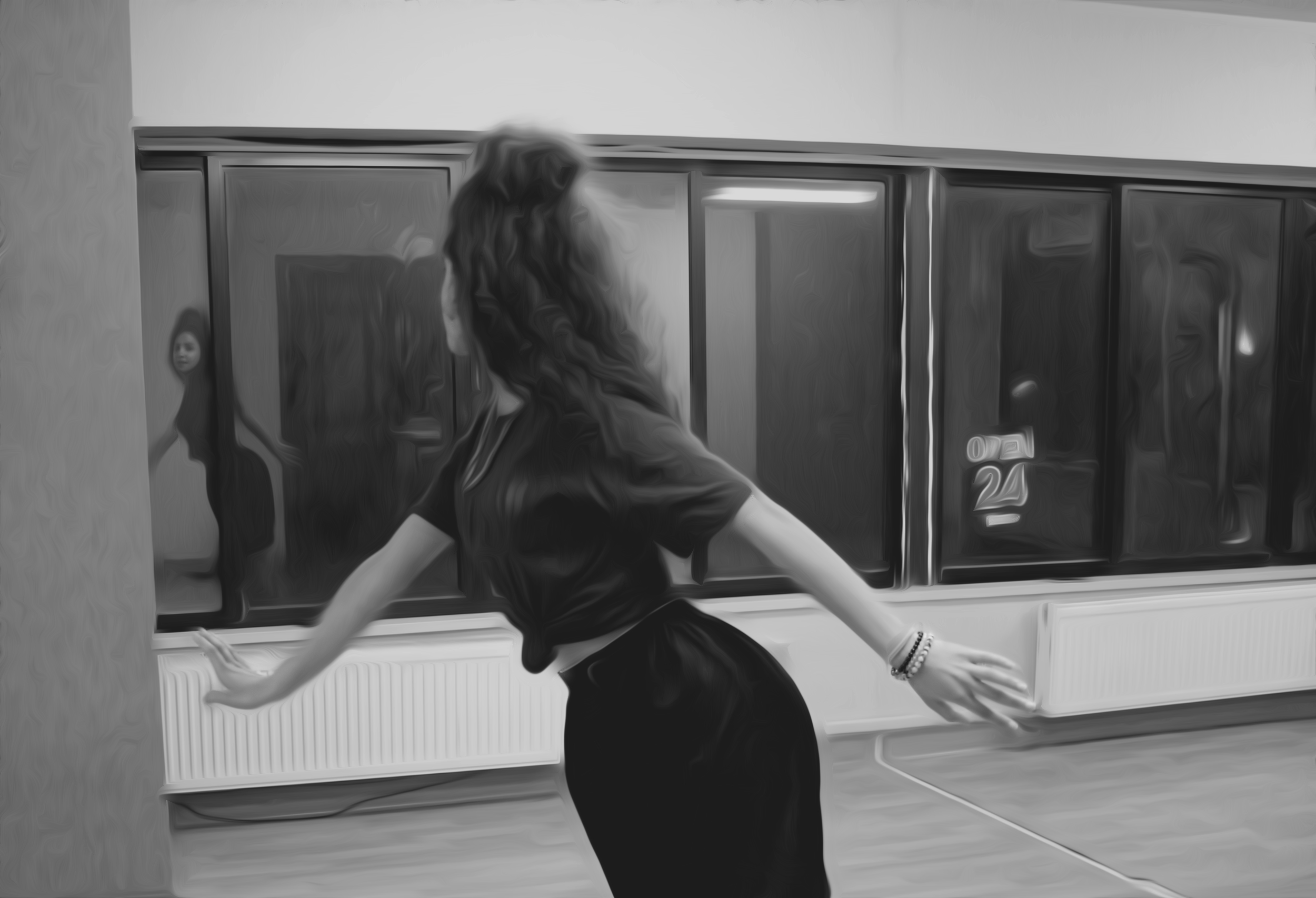
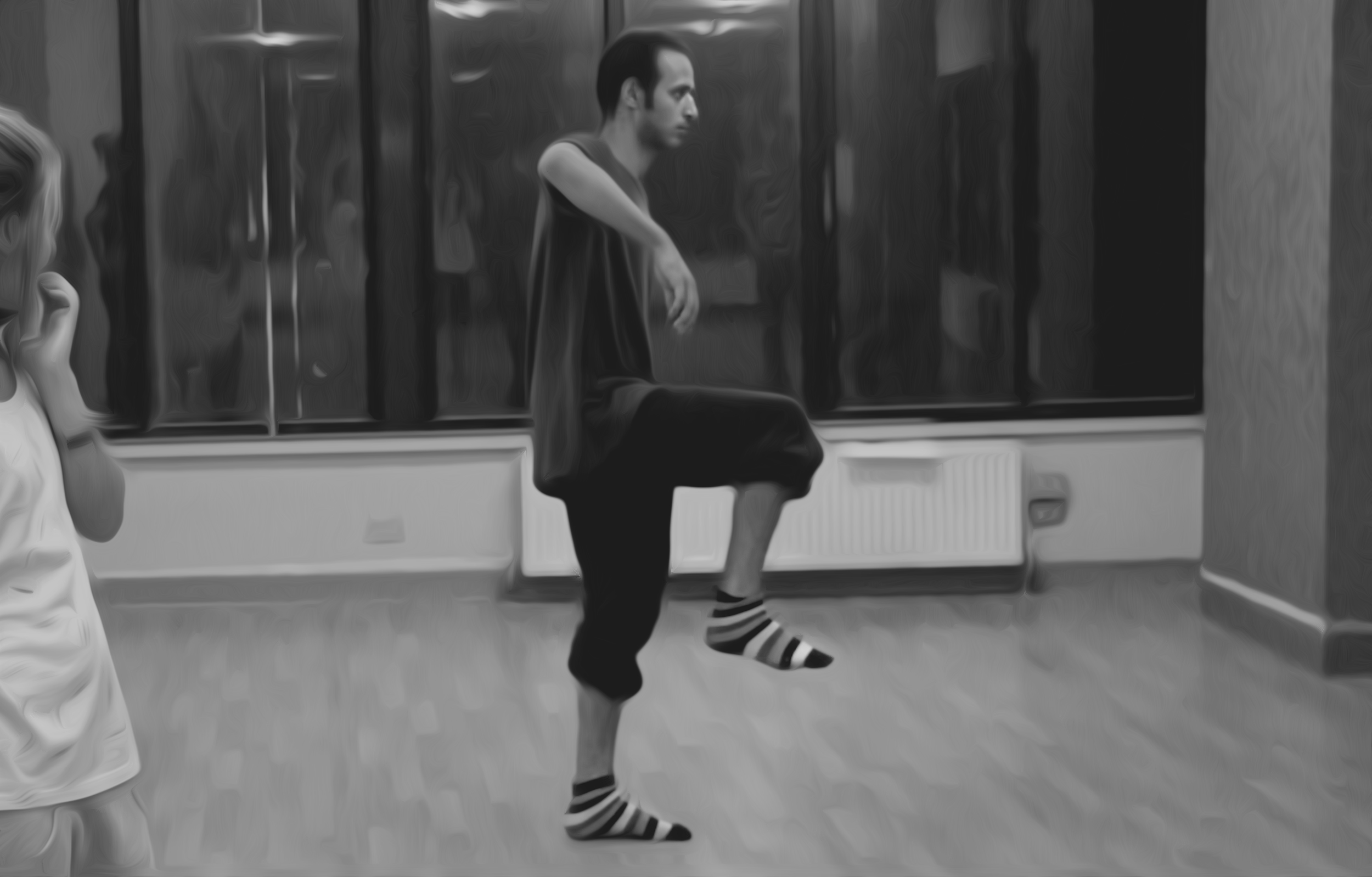
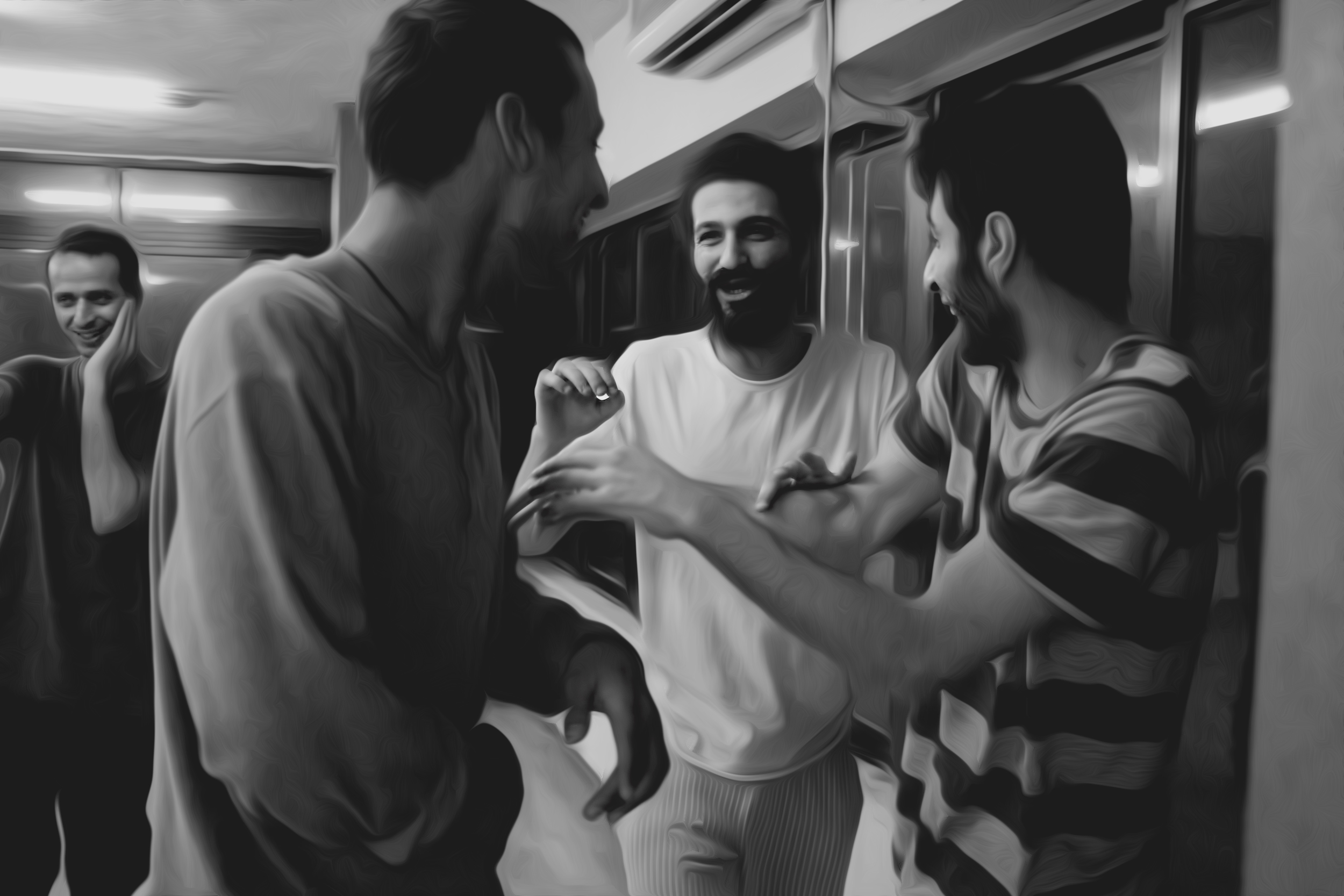
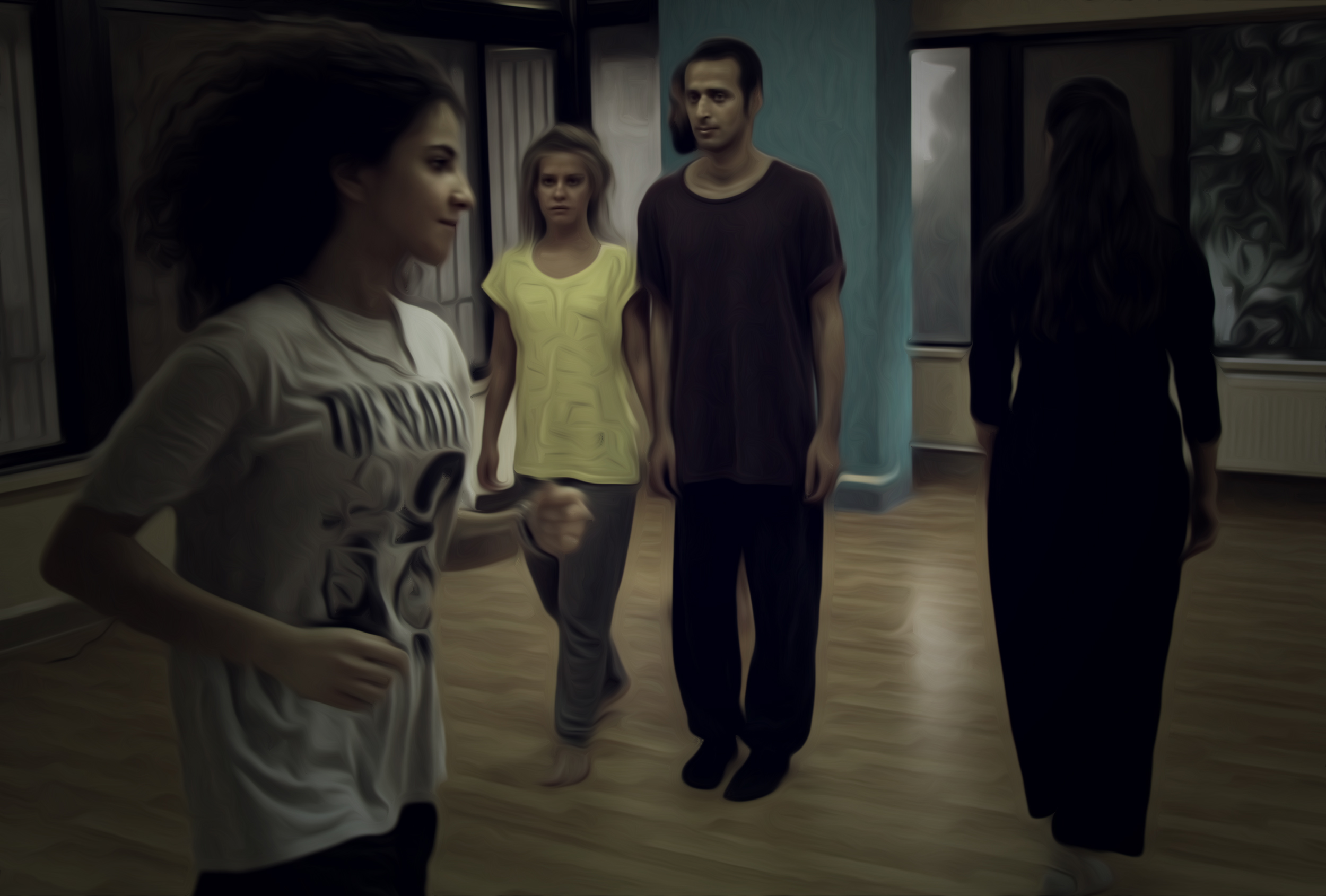
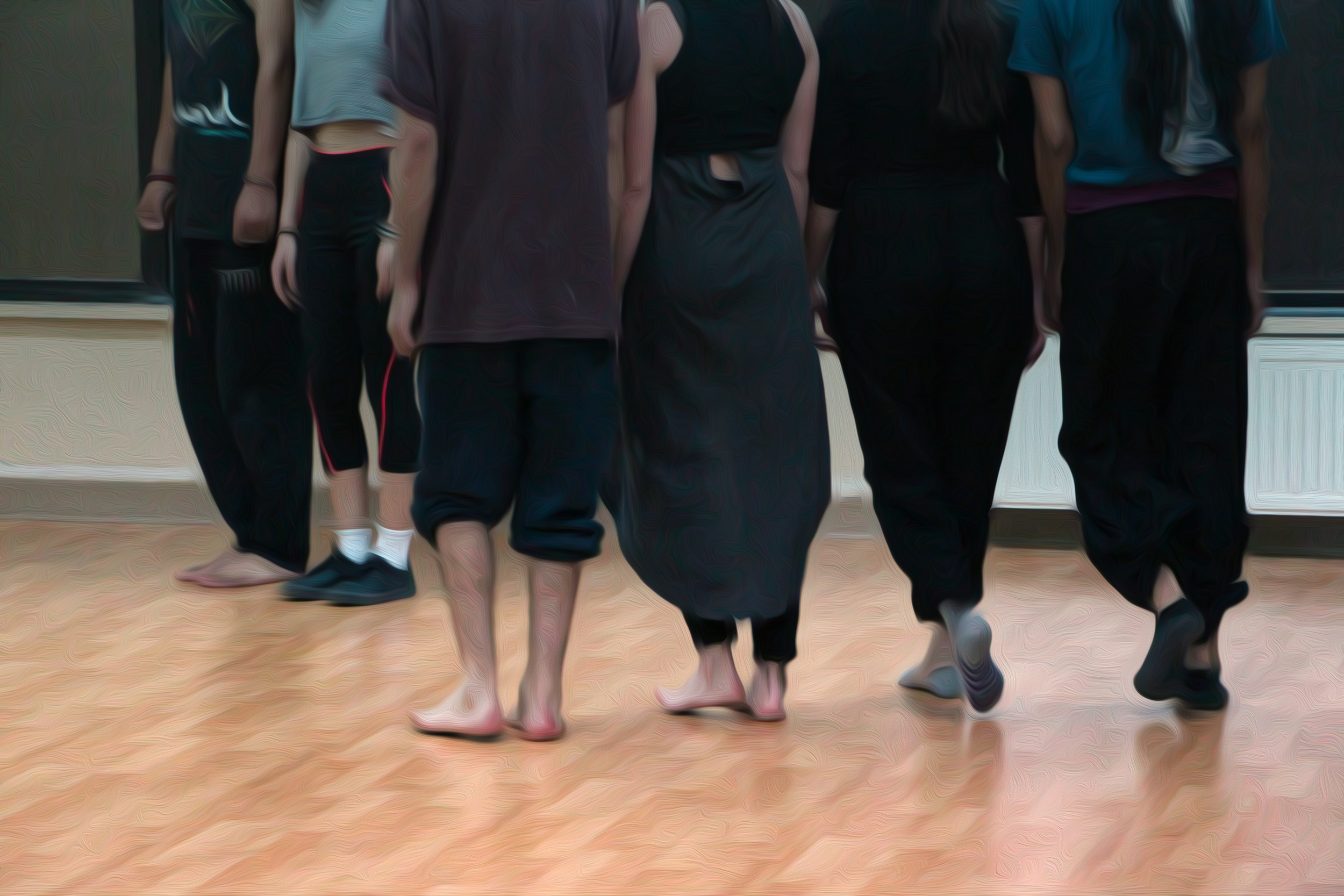
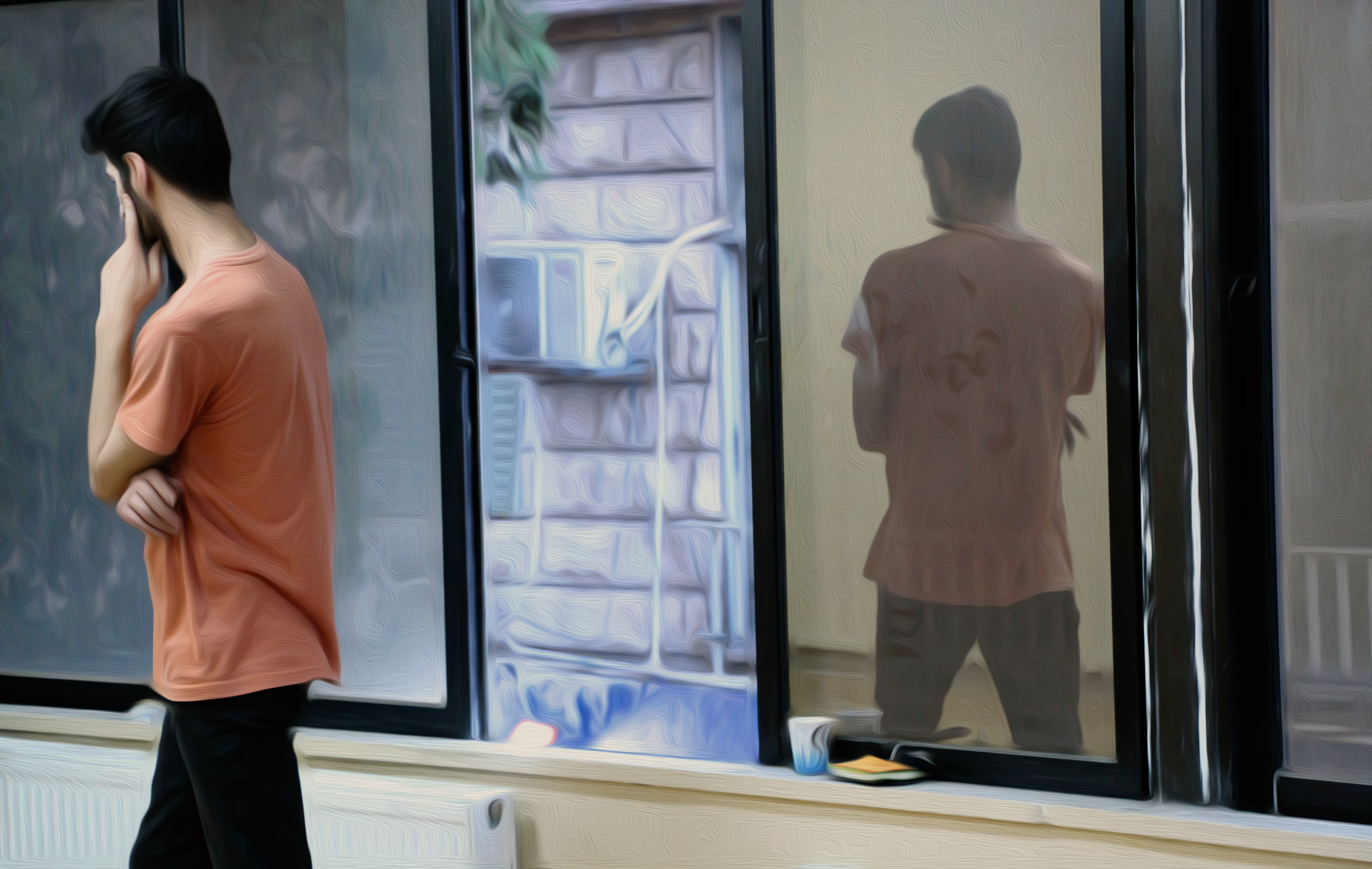
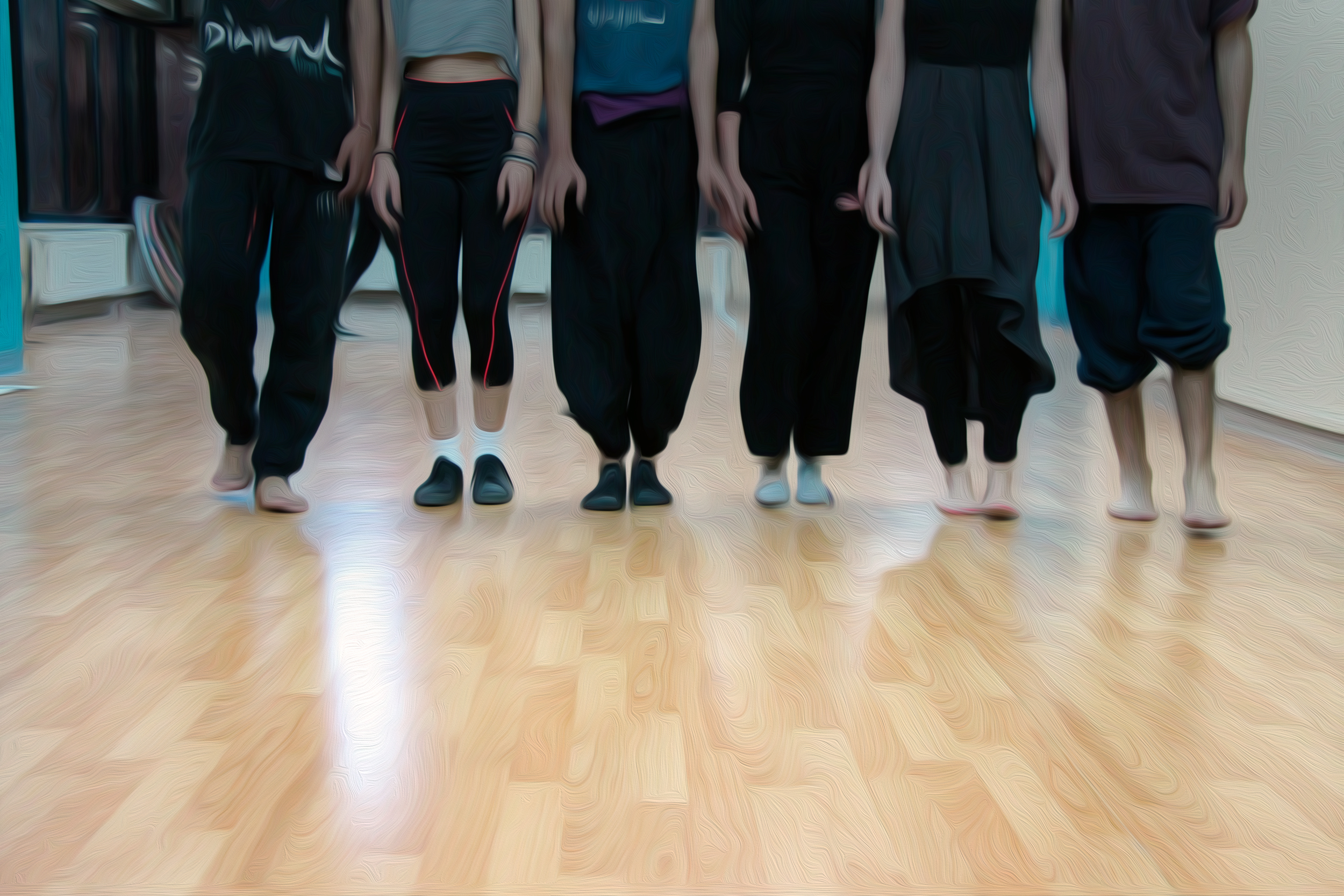
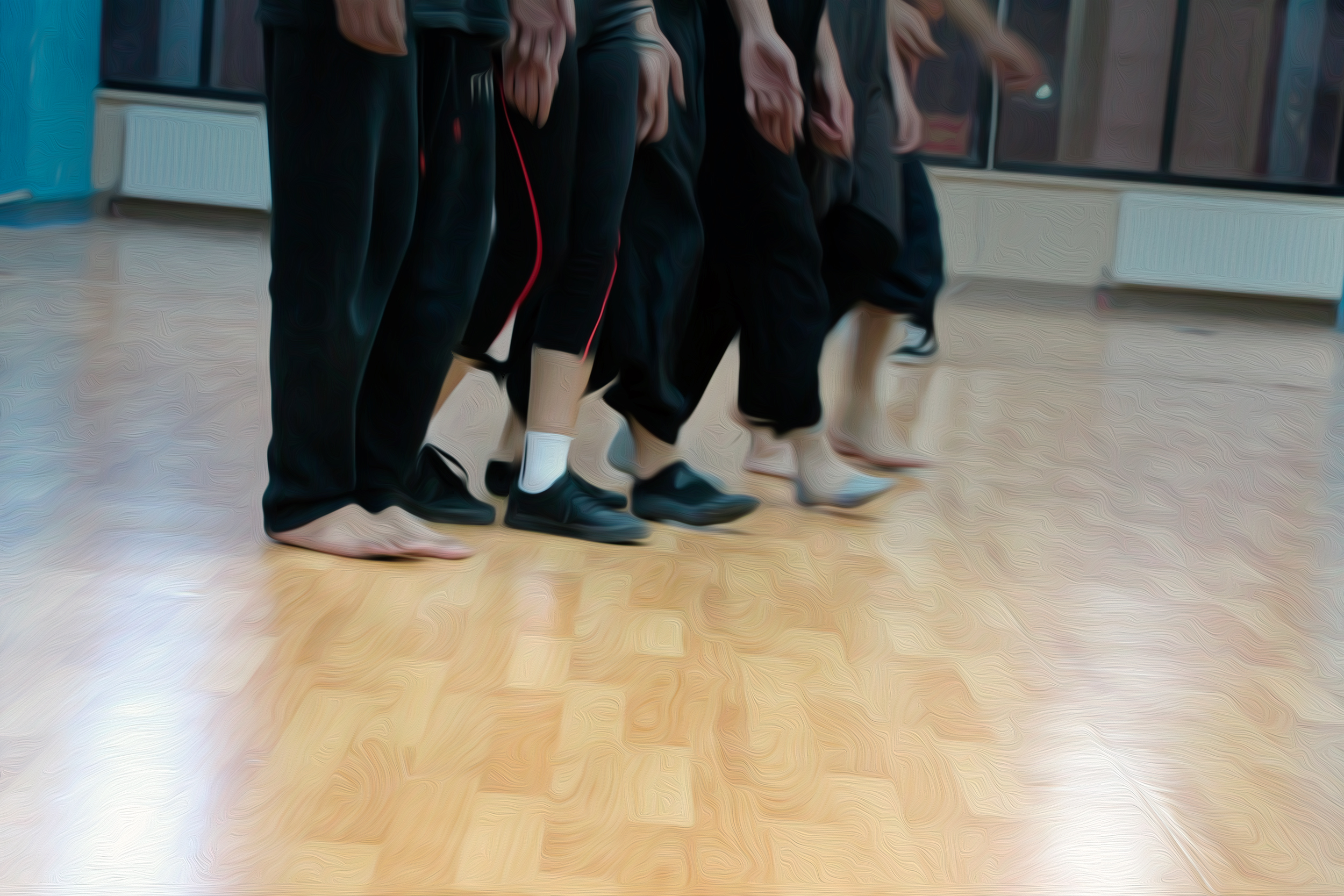
Choreographic Process: June 24

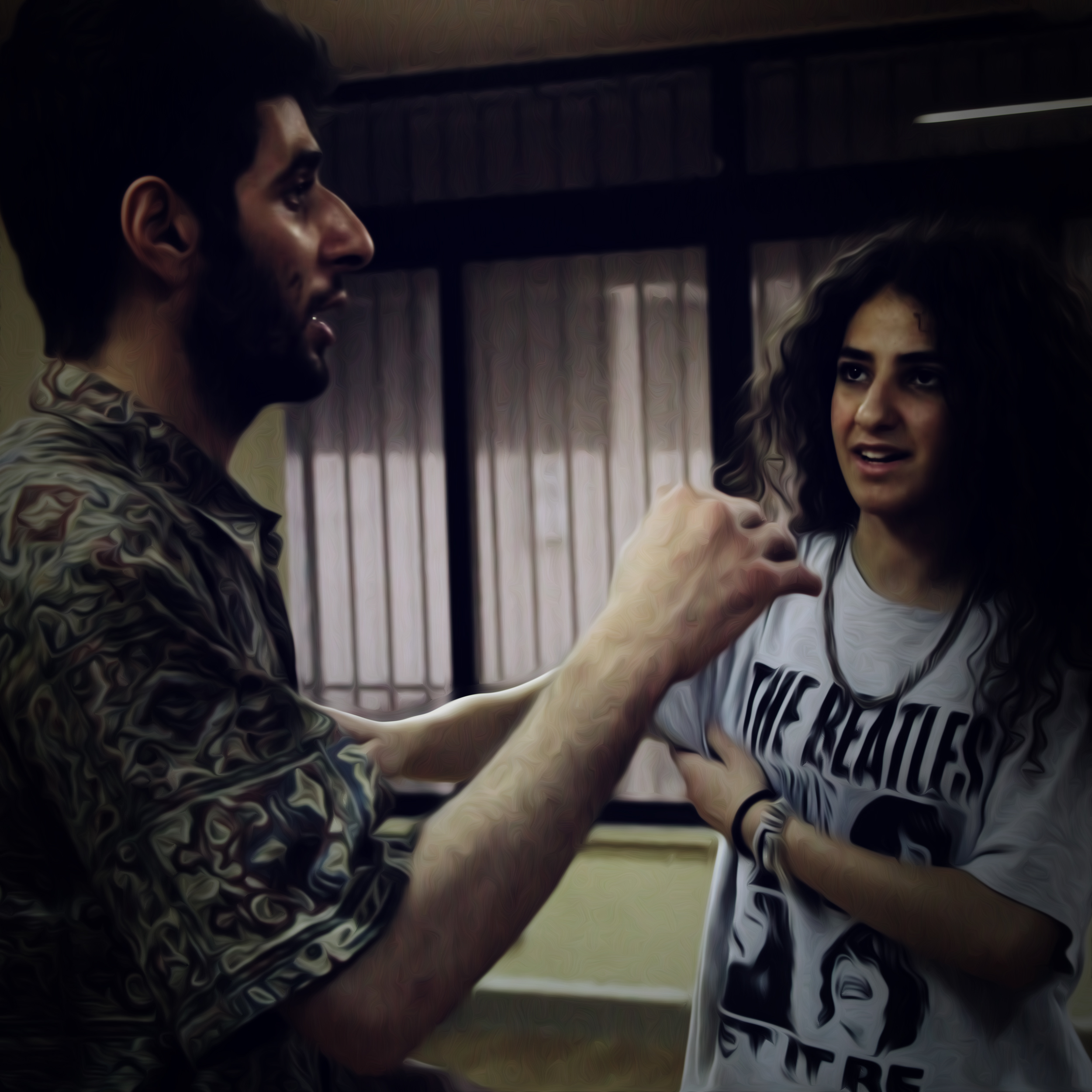
How to Choreograph a Dance? What is a “dance stimulus”?

Choreographer: Abd Al Hadi Abunahleh

  • Location: Studio 8, Amman, Jordan
  • Duration: 140 minutes
  • Starting: 19:40 pm Ending: 22:00 pm

A stimuli could be any thing that inspires you to choreograph and give you a new direction to think in. Its an exciting journey to discover how many ways a simple stimuli can be perceived in and how it can inspire movement.

Choreographer uses stimulus to help dance artists think out-of-the-box when they choreograph fresh pieces together. Lately, we’ve been thinking of introducing scientific and anthropological theories as stimulus in dance creation. “Time out of Time: a special place” is inspired by Liminality, “a threshold”. Humanistic psychologists describe “the ‘out-of-this-world’ quality associated to liminality a sort of trance-like feeling. Analytical psychologists have often seen the individuation process of self-realization as taking place within a liminal space.Choreographer uses stimulus to help dance artists think out-of-the-box when they choreograph fresh pieces together. Lately, we’ve been thinking of introducing scientific and anthropological theories as stimulus in dance creation. “Time out of Time: a special place”

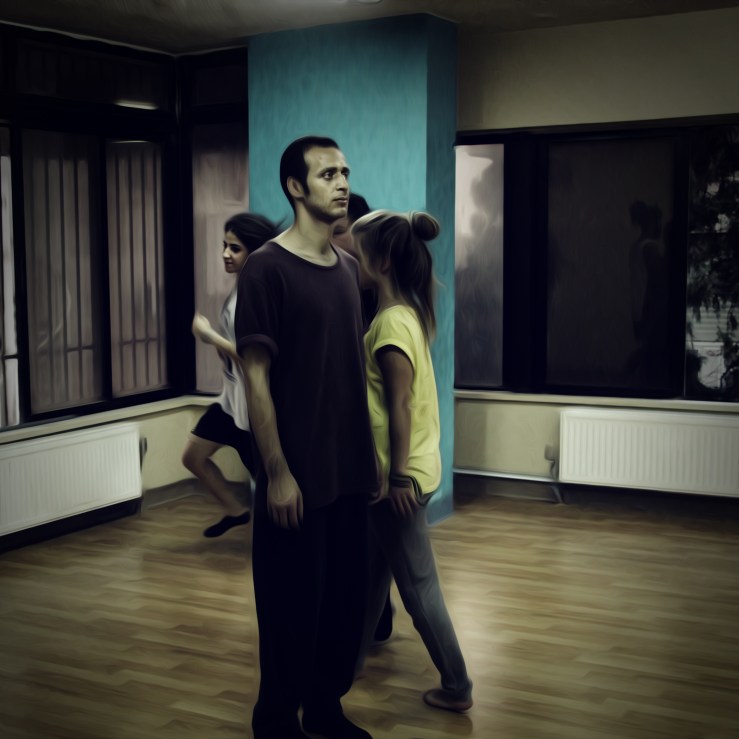
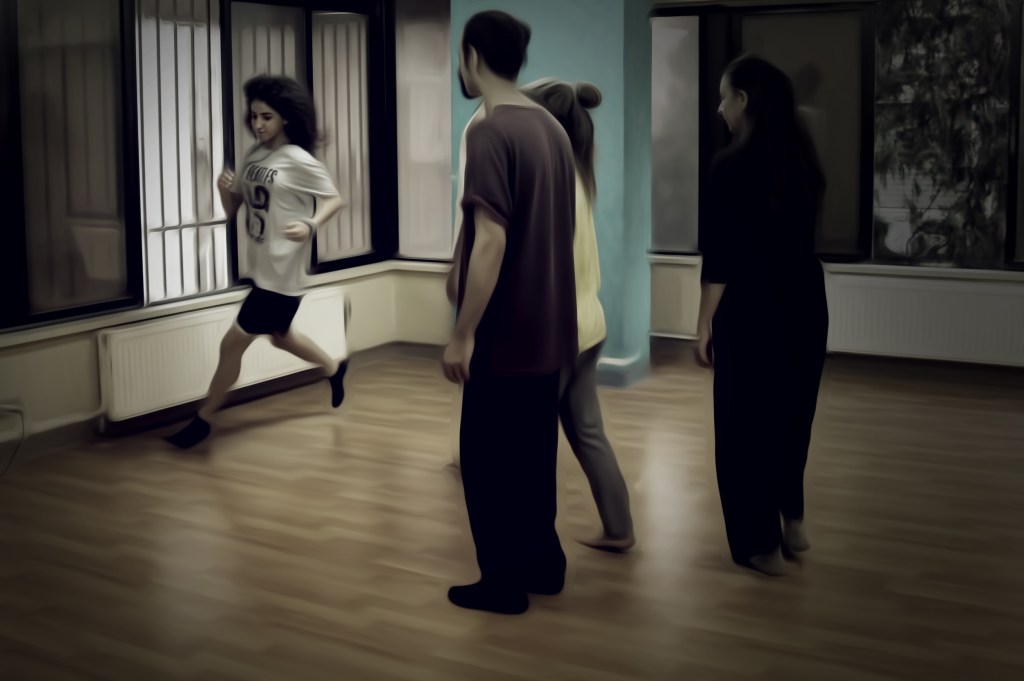
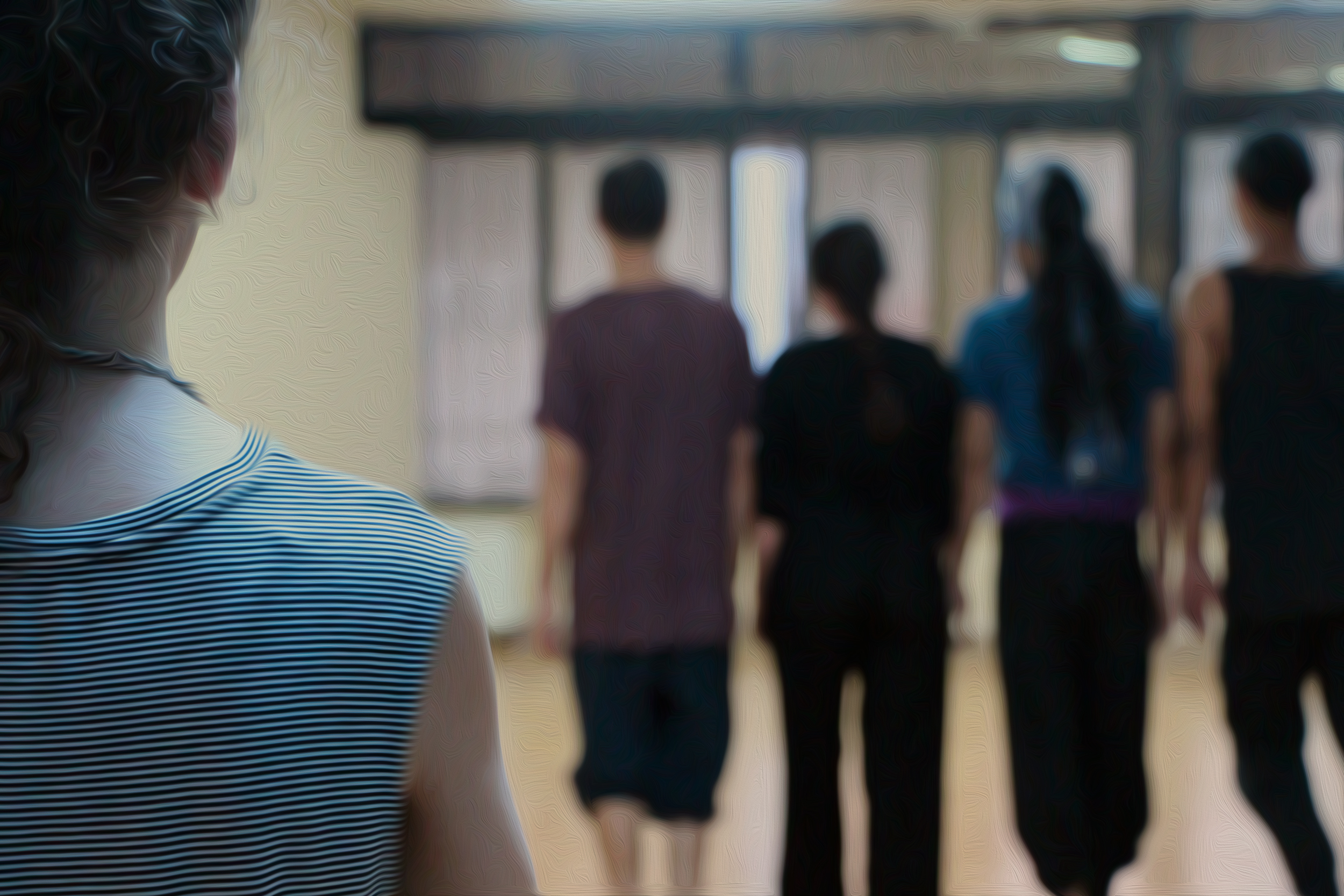
Choreographic Process: June 22

Danceย choreography is sometimes calledย dance composition. Creating and composing the movement is one part of the choreographic process.

Choreographer: Abd Al Hadi Abunahleh

  • Location: Studio 8, Amman, Jordan
  • Duration: 165 minutes
  • Starting: 19:15 pm
  • Ending: 22:00 pm

Concept: Theย movement composition is the rhythmic process of theย universe, cosmic and microcosmic …

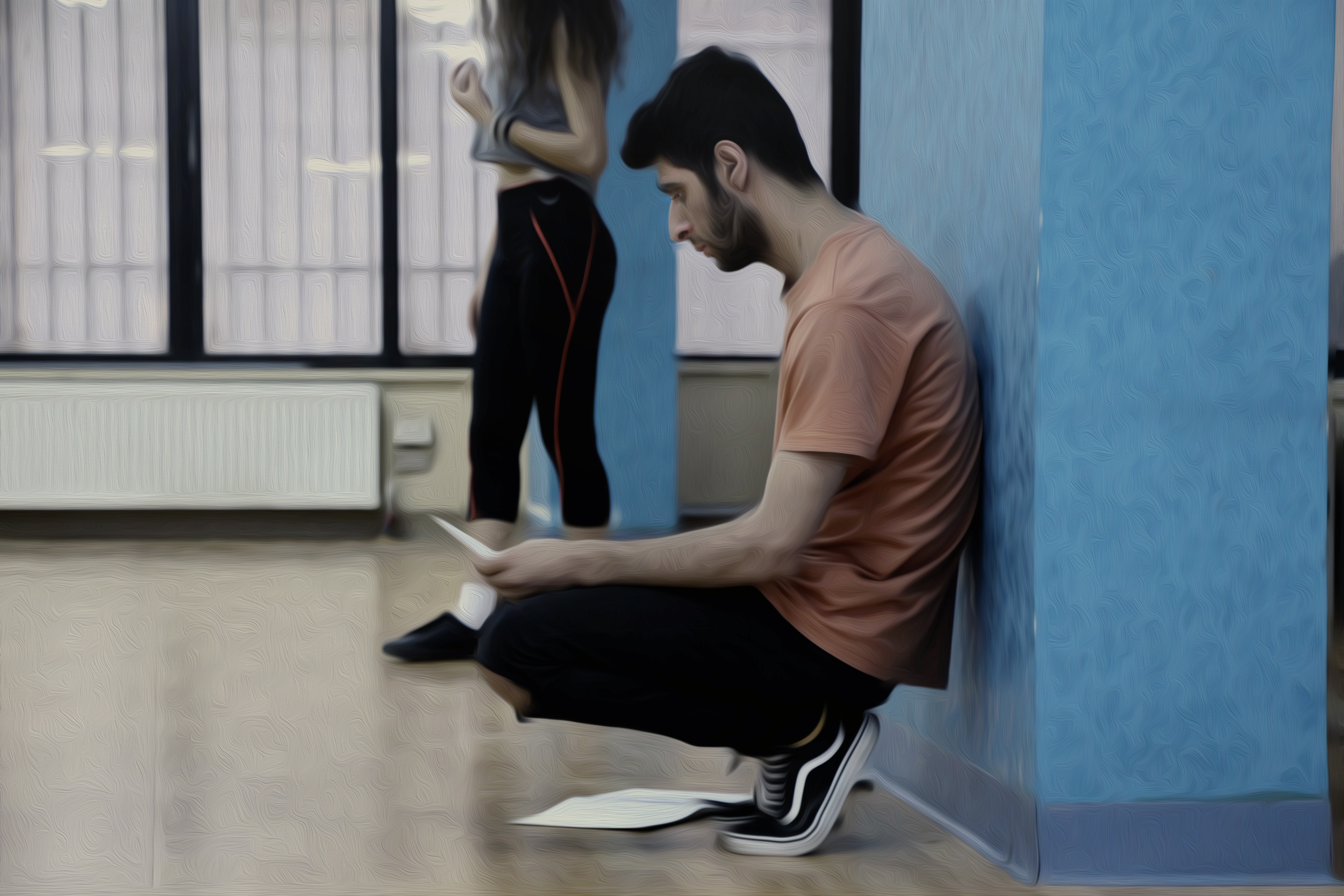
5 Choreography Tips:

  • Be yourself!
  • Collaborate with others!
  • Do weird moves!
  • Utilize concepts to think of unique moves!
  • Take a break!

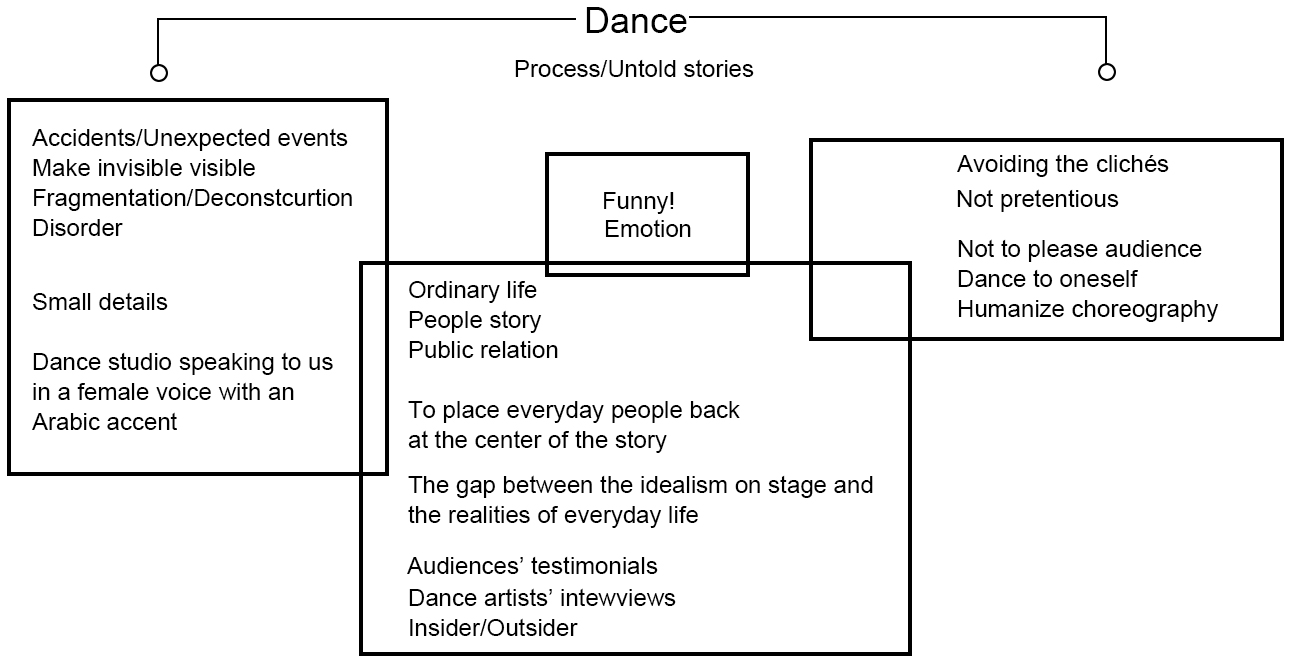
Dance Exhibition & Pop-up Books

From May 2018, Studio 8 has been preparing for a dance exhibition.

*Studio 8 is a non-profit company based in Amman, Jordan. It is a collective explosion of creativity, aesthetics and experimentation that unites dance and arts, within society in pursuit of change, dialogue, and innovation.

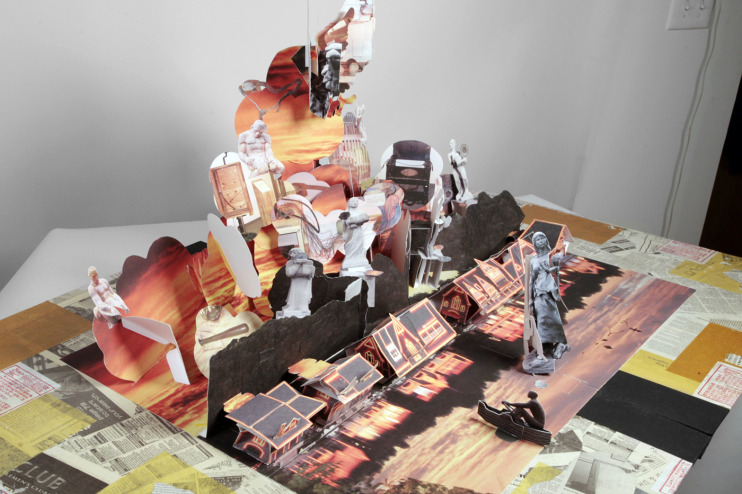
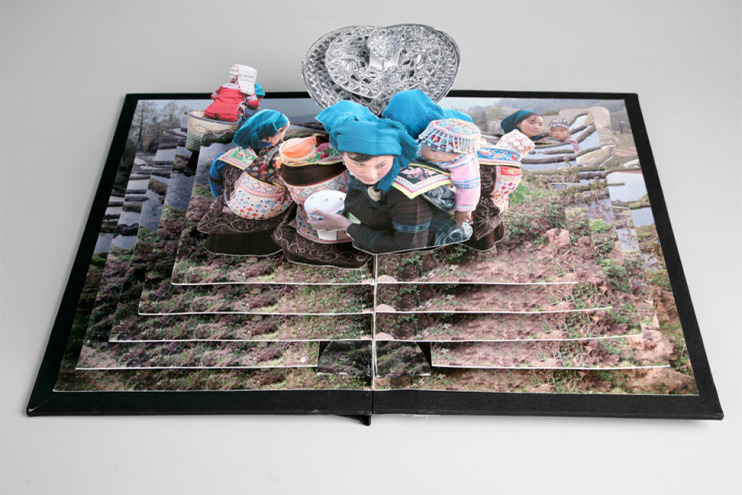
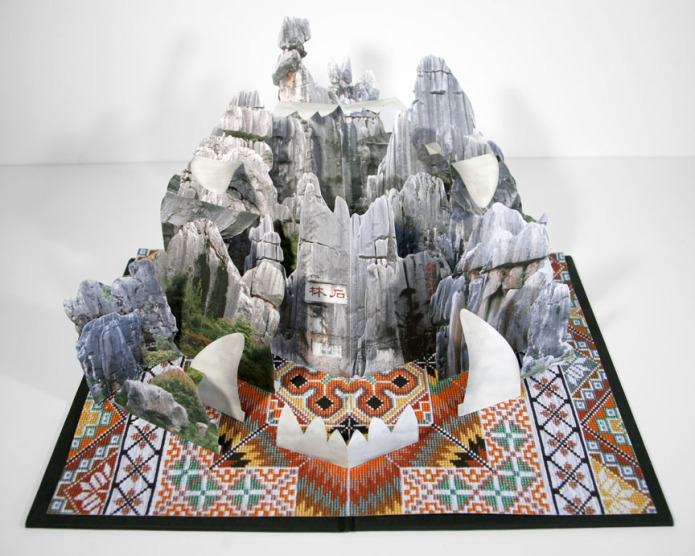
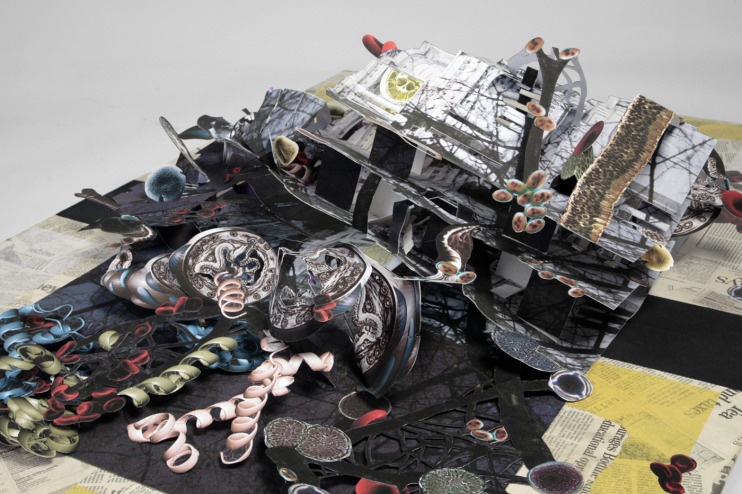
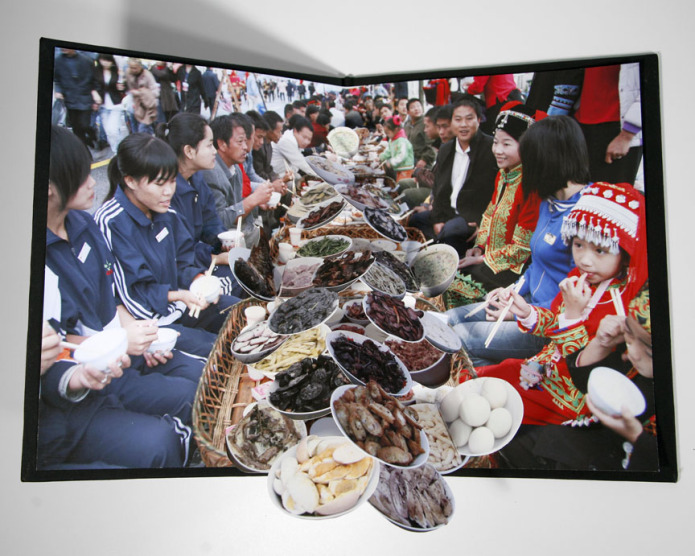
When we were researching for a dance exhibition, we came across Fu’s pop-up books.

โ€œAlthough Fuโ€™s books are motionless, their exuberant shapes, intense colors, and closely interwoven pop-up pages give the impression of being alive. Her themes are largely inspired by her personal experiences, but her art also embodiesโ€”and inspiresโ€”feelings of joy, sorrow, and curiosity experienced by all of humankind…Each of Fuโ€™s pop-up books tells a story. She is a fearless wanderer who shares her wonders and helps us understand the world around us.”

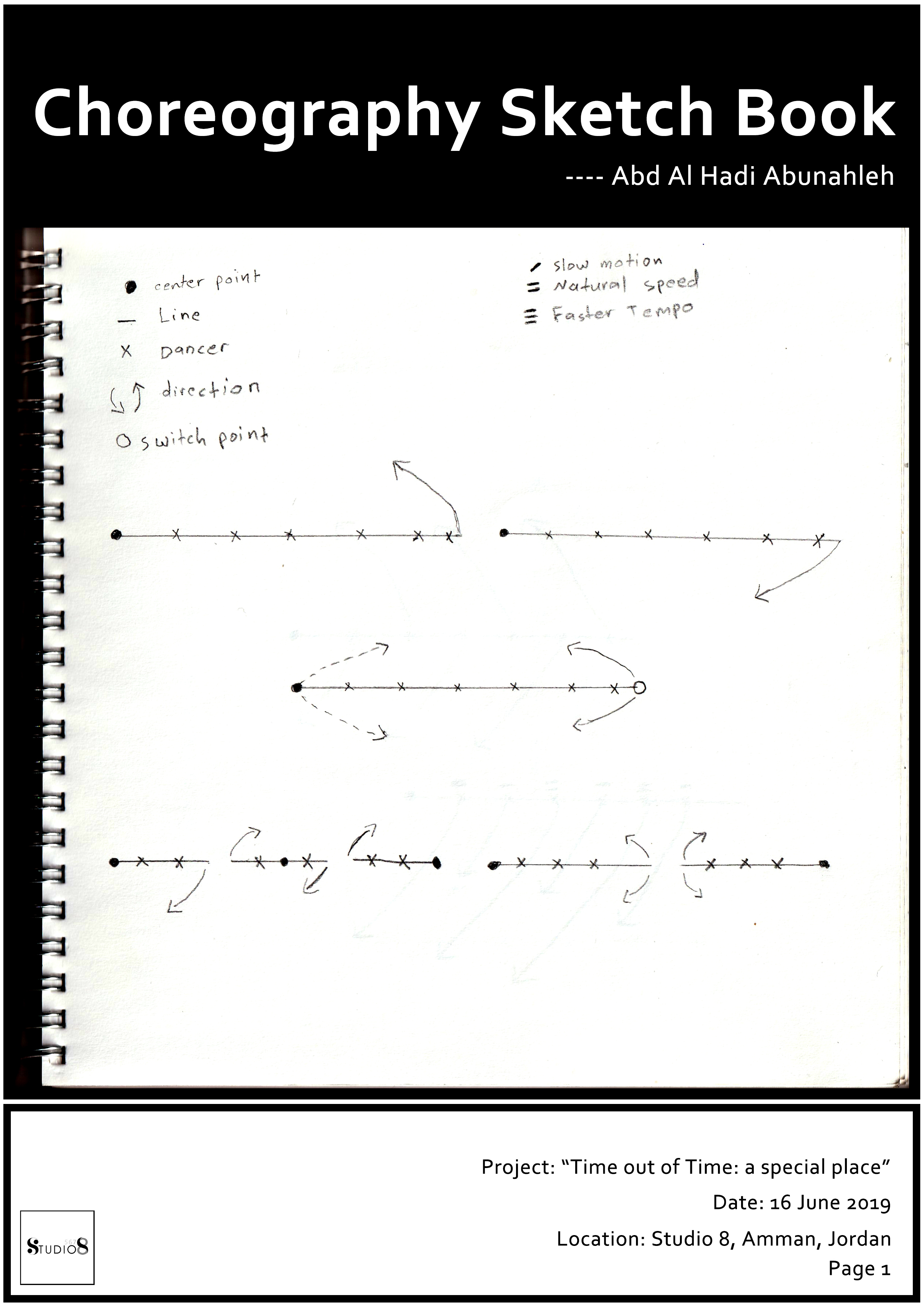
Choreography Sketch Book Vol.1

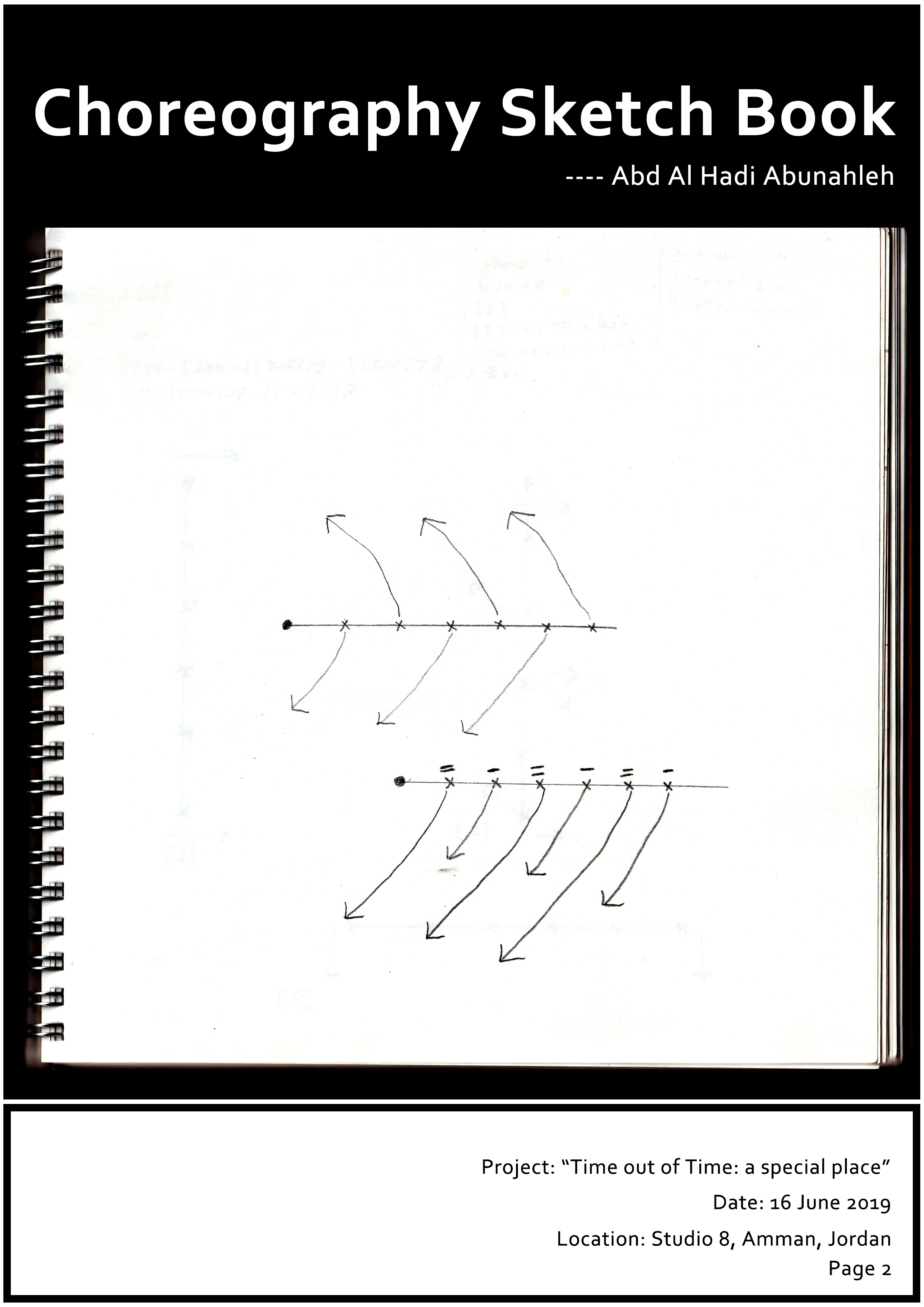
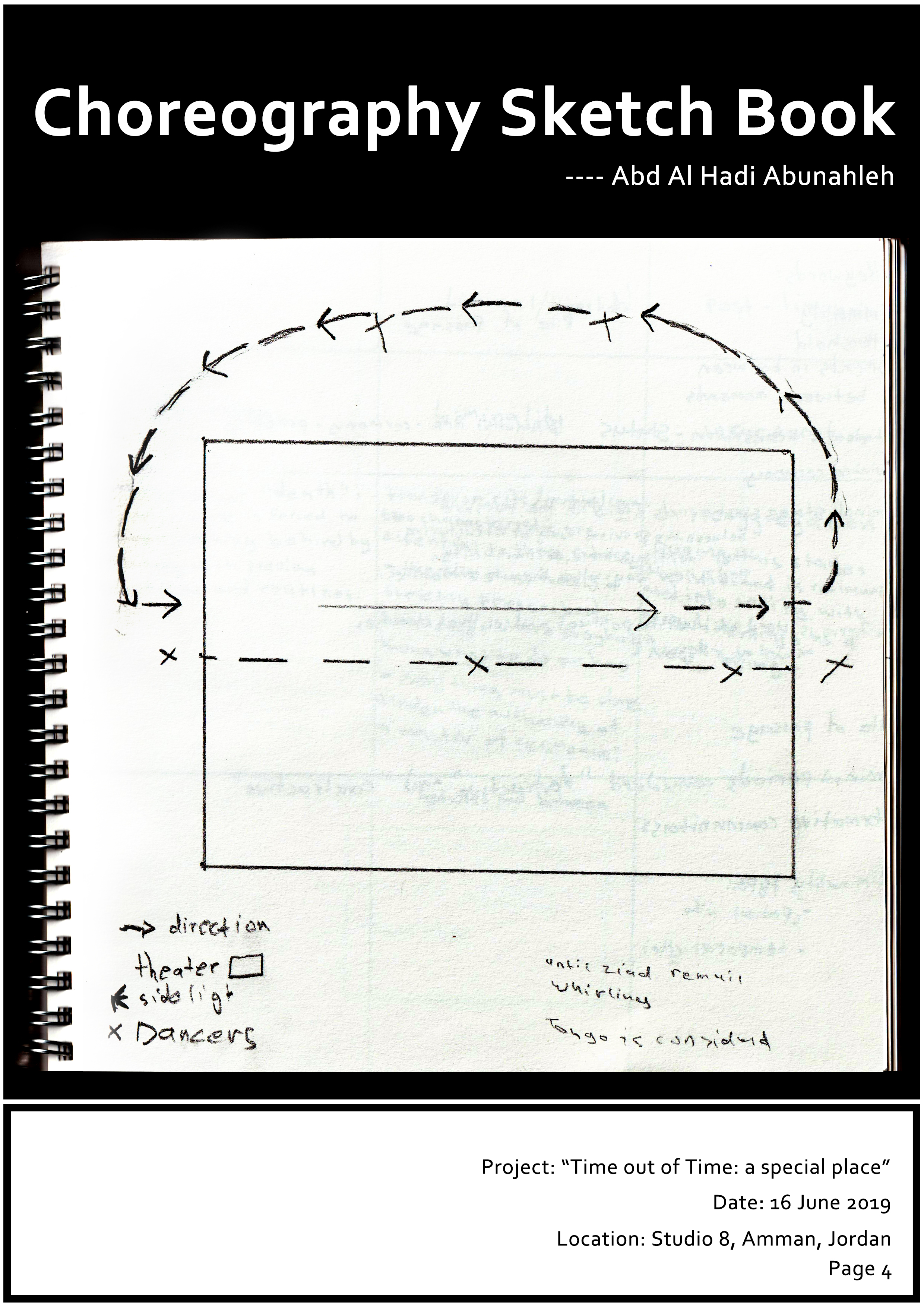
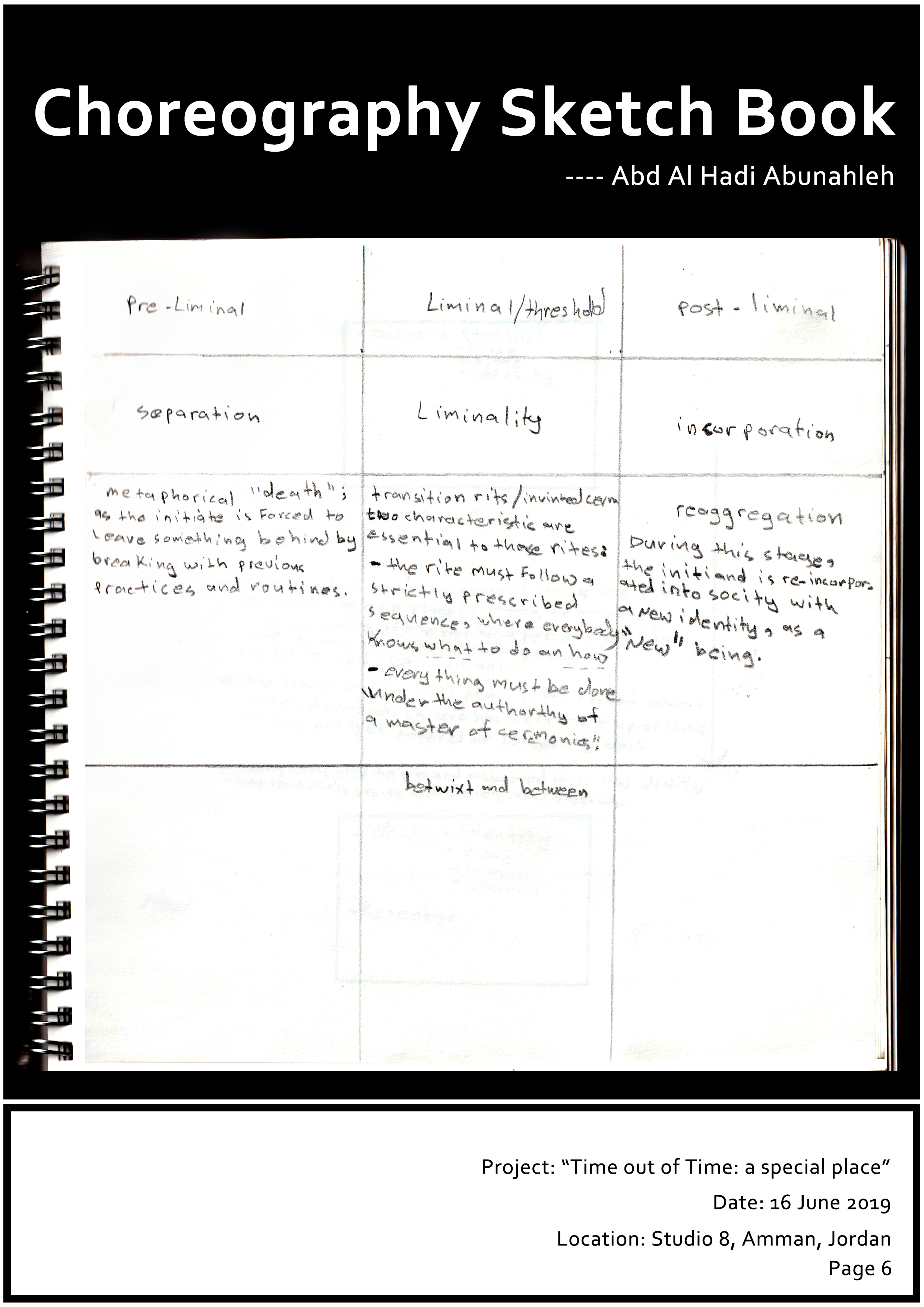
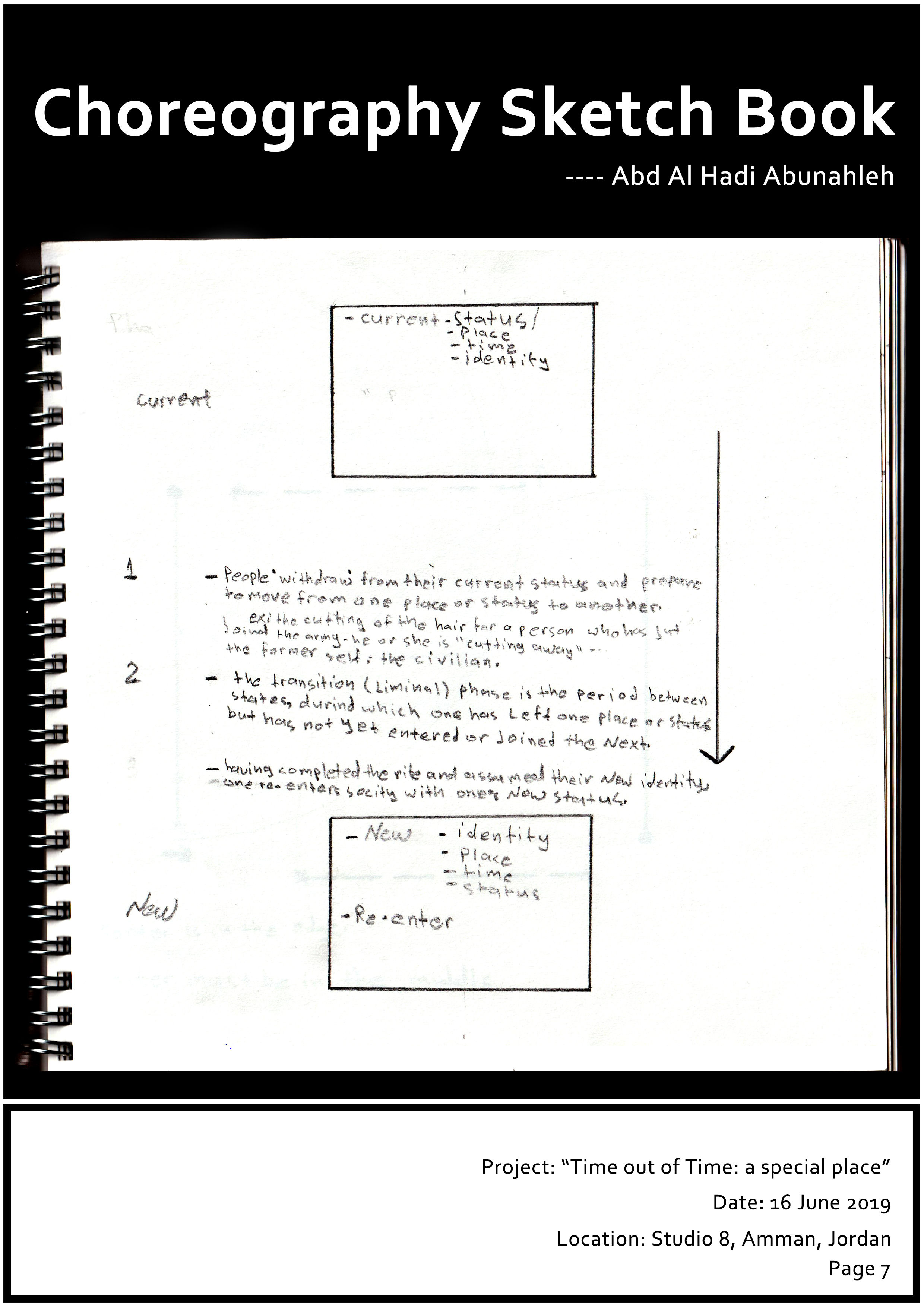
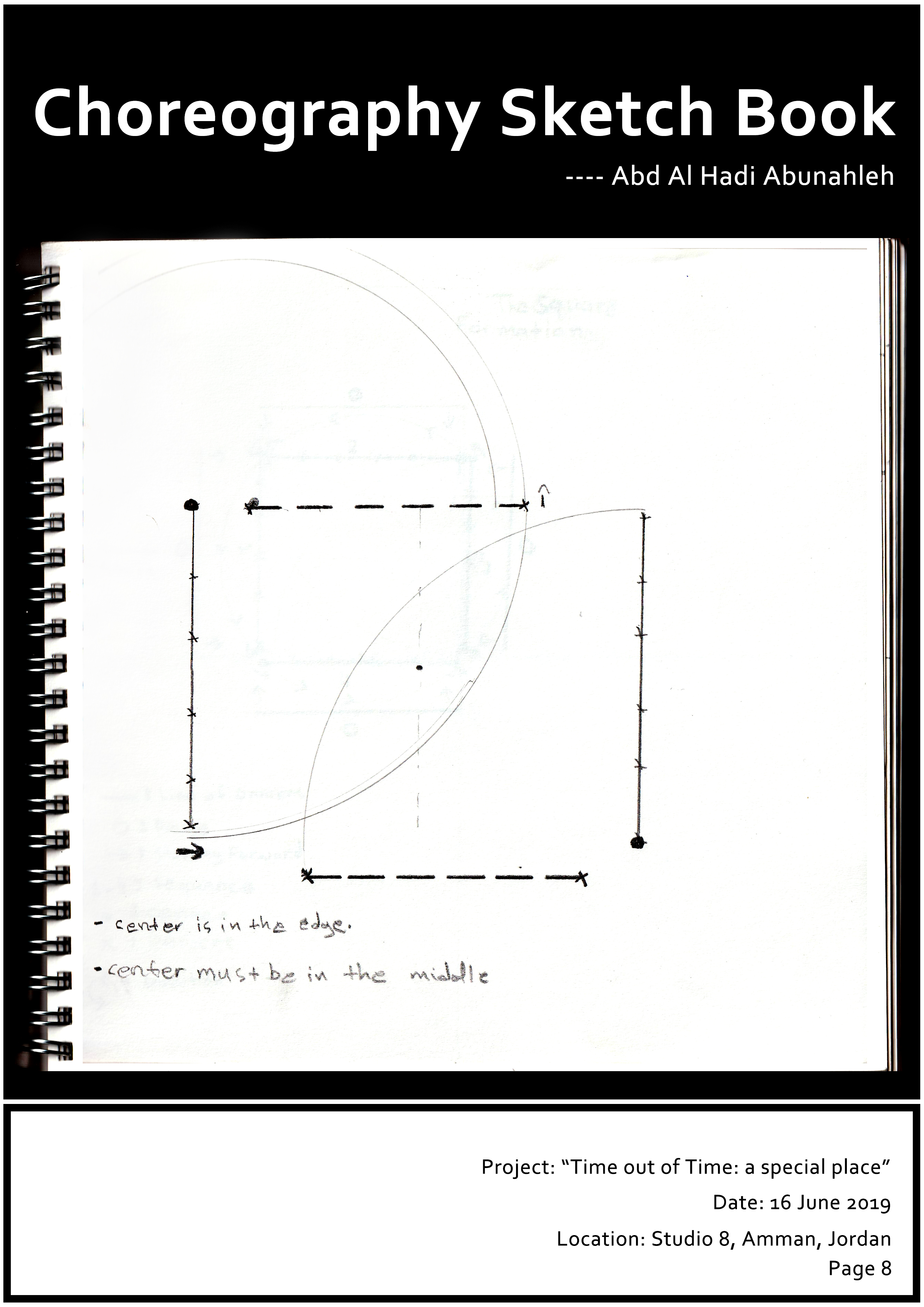
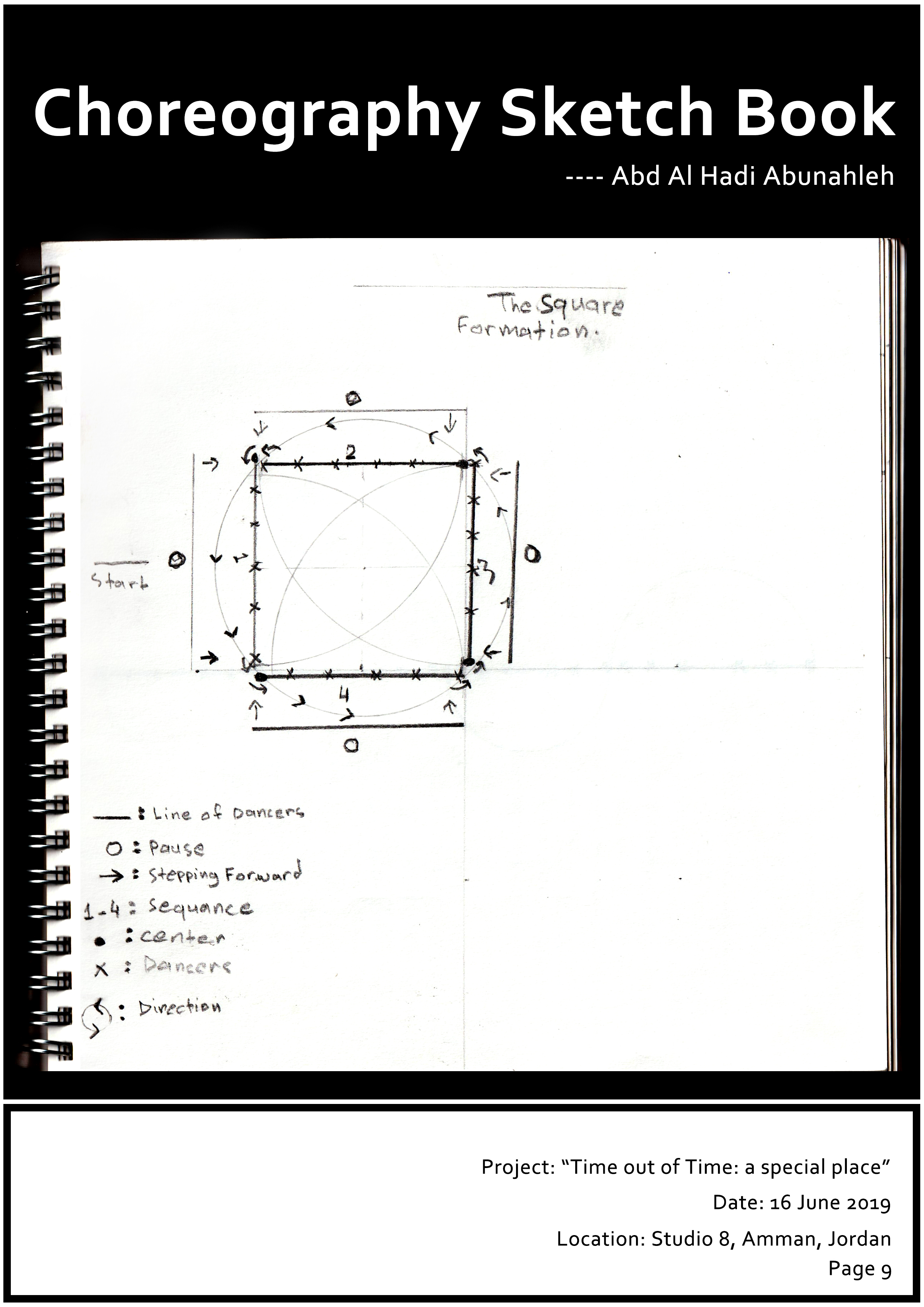
Sketching and doodling are two techniques commonly used by choreographers to design a dance sequence.

These sketches usually represent the trajectory of the dancer in the scene. A set of notations can be used to differentiate the various dance movements. The approach allows a choreographer to story board a dance using graphic symbols and figures, path mapping, numerical systems, and letter and word notations to represent human dance movement and form.

Project Management Sheet

Time out Time: a special place

Project

โ€œTime out of Time: a special placeโ€ (March 20 – November 30, 2019)

Indicators

1.Dance theatre performance

2019 August 25

2.Dance video full 1

2019 July 20

3.Dance video full 2

2019 August 25

4.Progress report 1. 5 high resolution photos of the Installation models, 5 high resolution photos of the rehearsals, Performers list.

2019 July 26

5.Progress report 2. The narrative Report, The financial Report, 10 copies of the recorded performance, 5 High Resolution photos from the presentation, Hard copies of the printed publicity materials (if available), Any promotional material

2019 Otc. 7

6.Five to six Performers pre-project assessment. 1. CV 2. assessment checkbox 3. orientation (Career preference, personal goal, etc)

2019 July 10

7. Five to six Performer post-project assessment. 1. CV 2. assessment checkbox 3. attendance sheet 4. self-assessment sheet

2020 Oct. 1

8. .Teaching Curriculum. 1. dance techniques 2. career development
2019 July 30

9.Team list & Visual art proposal

2019 June 30

10.2019-2020 Touring plan

2019 August 1

11.Audience feedback, audience attendance sheet

2019 Sept. 1

12.Research paper

2019 July 1

“IMAGINARY SYSTEMS”

Artis duet’ : Golnaz Behrouznia & Franรงois Donato

The duet has launched in 2018 several projects strongly anchored in the interactions between artistic vision, scientific knowledges and computer science.

https://eng.imaginarysystems.org/

Lumina Fiction # 2

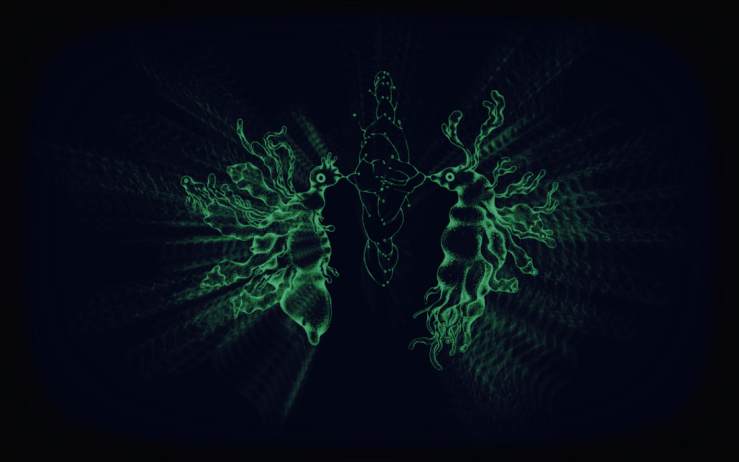
It offers a biological fiction at the crossroads of art, biology and computer science.
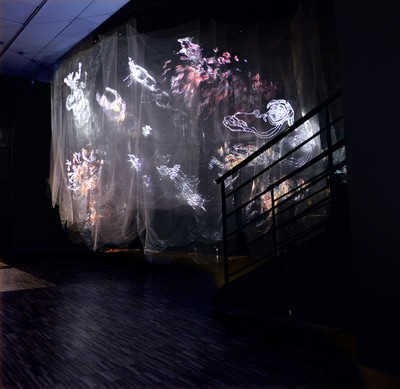
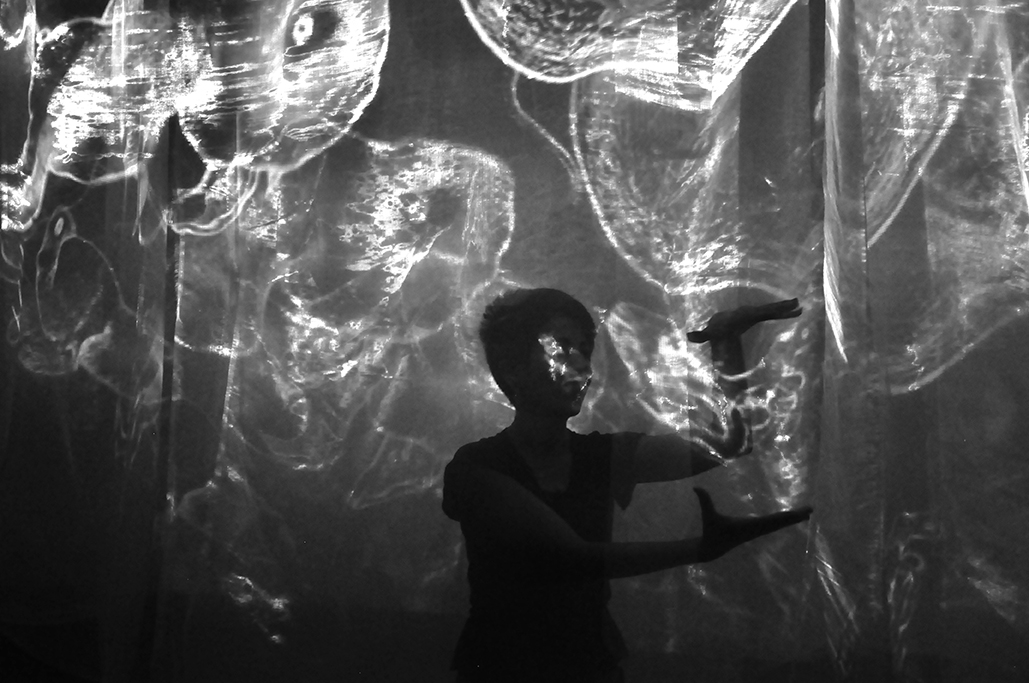
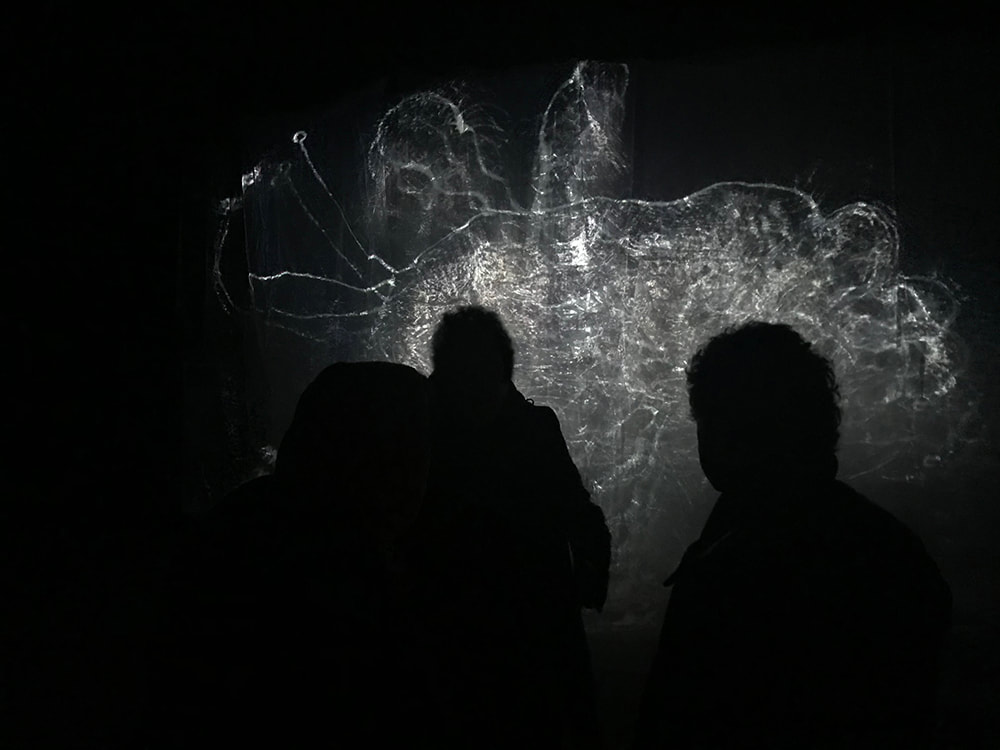
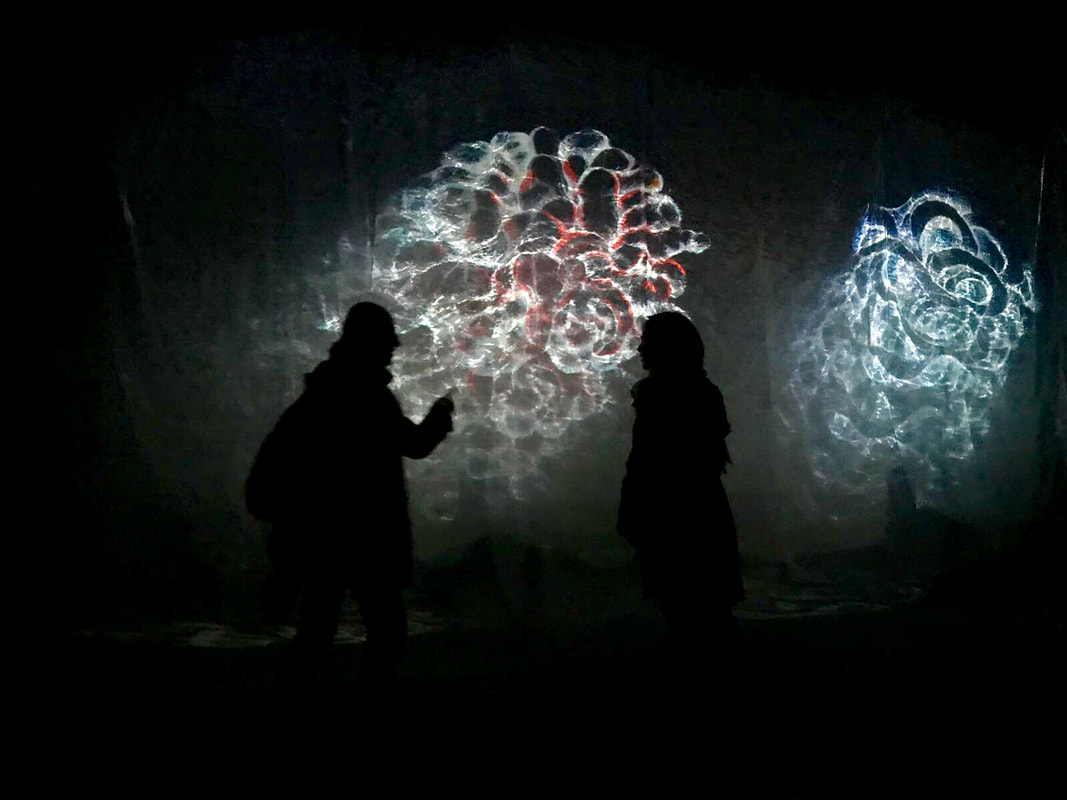
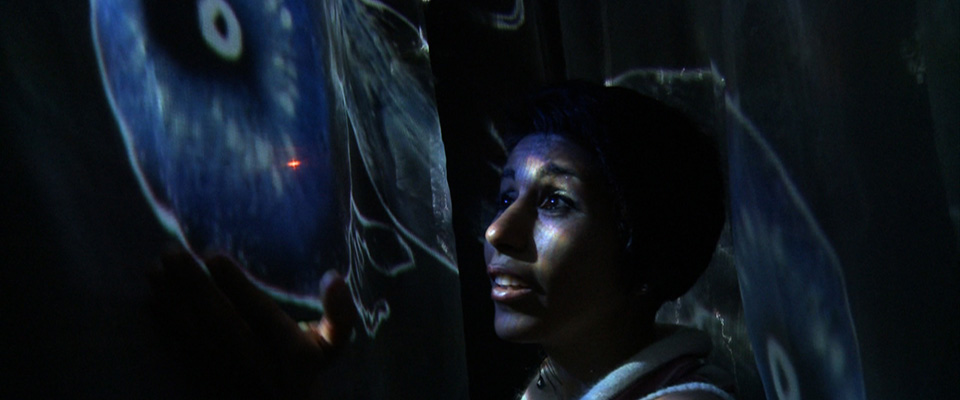
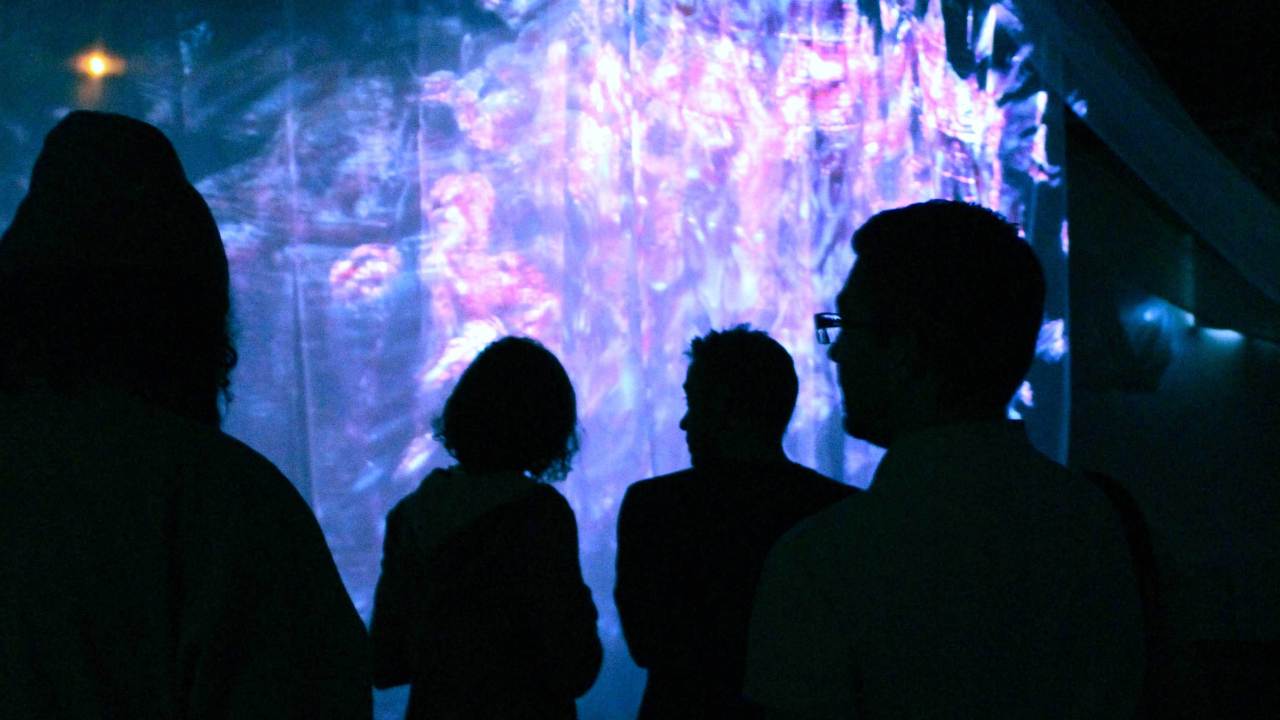
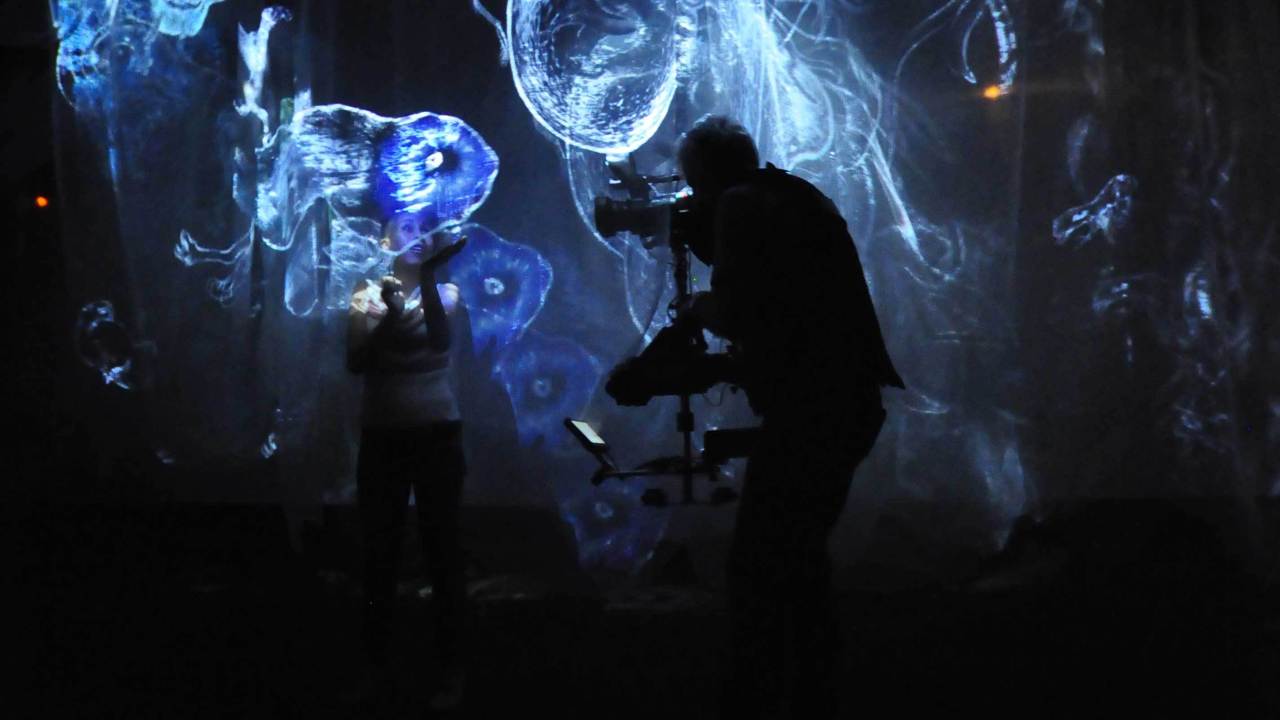
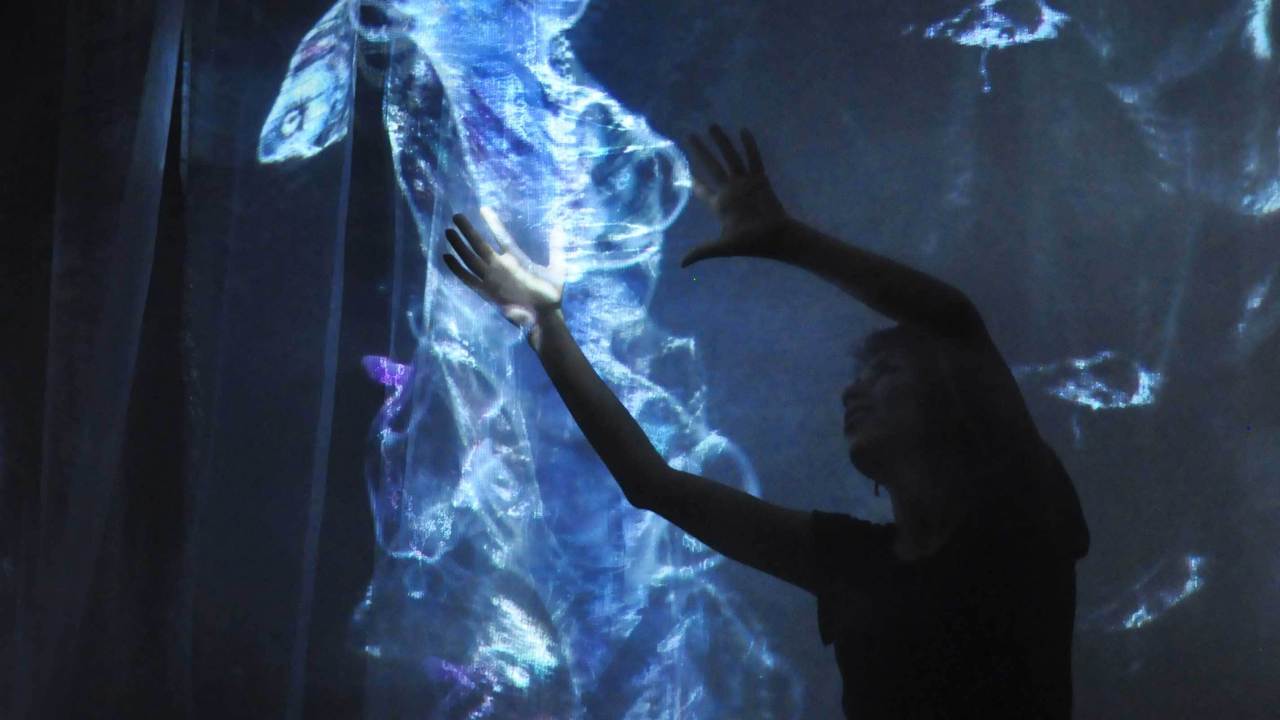
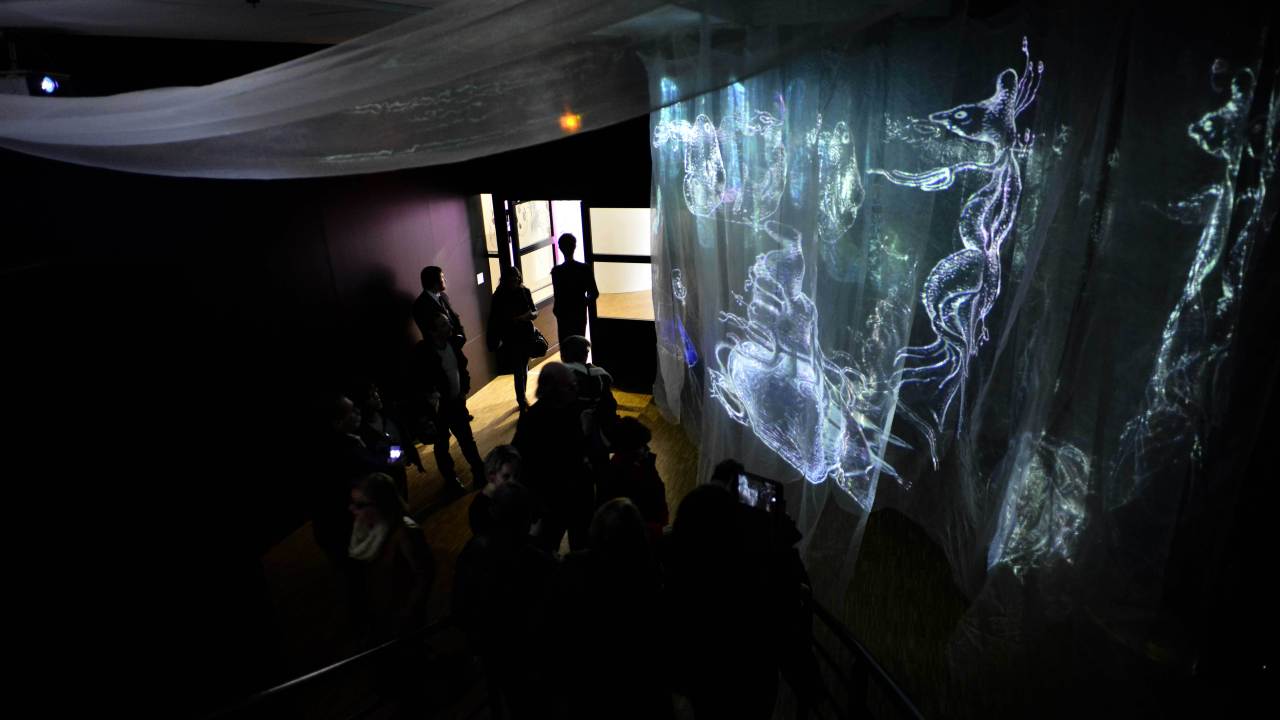
The installation is presented as a cylindrical giant body in volume, structured in multilayers of translucent fabrics that match the exhibition space. Installed in the darkness, this body welcomes on its material the development of a world of virtual creatures into video images evolving in a sound environment.

ElectroAnima Experiment

In the twilight of the venue, huge projections on an invisible medium transcend the limits of the stage and make float in front of us the bright lines of moving materials or fanciful animated creatures, amplified by constants sound metamorphoses.

Extracted passages from journals about Liminality Vol. 3

In recent years there has been much discussion of societal and social kinds of influence on the course of scientific ideas.

Geology is a science in which fieldwork is a central element of practice, not least because so many important geological features are not mobile.

At least in the past, geological expeditions involved a double movement from the familiar to the unfamiliar and back again – not only in terms of features seen and studied, but also in terms of separation from and reintegration into the ‘home’ scientific community.

The dynamics of this process are here compared with van Gennep’s classic concept of ‘liminality’ and with Victor Turner’s application of that concept to the process of pilgrimage.

Theoretical innovation in a field science such as geology may require, or at least be facilitated by, a pilgrimage-like process in which scientists are exposed to unfamiliar perceptual and personal inputs while temporarily insulated from their familiar scientific environment.

Geological Travel and Theoretical Innovation: The Role of ‘Liminal’ Experience | Author(s): Martin Rudwick | Published by: Social Studies of Science | Feb., 1996

The passage from one social status to another is often accompanied by a parallel passage in space, a geographical movement from one place to an- other.

Key concepts here are work, play, and leisure.

“Leisure,” then, presupposes “work”: it is a non-work, even an anti-work phase in the life of a person who also works.

The term limen itself, the Latin for “threshold”, appears to be negative in connotation, since it is no longer the positive past condition nor yet the positive articulated future condition.

Liminality, marginality, and structural inferiority are conditions in which are frequently generated myths, symbols, rituals, philosophical systems, and works of art.

LIMINAL TO LIMINOID, IN PLAY, FLOW, AND RITUAL: AN ESSAY IN COMPARATIVE SYMBOLOGY | by Victor Turner