An unusual journey into the land of balance and sound.
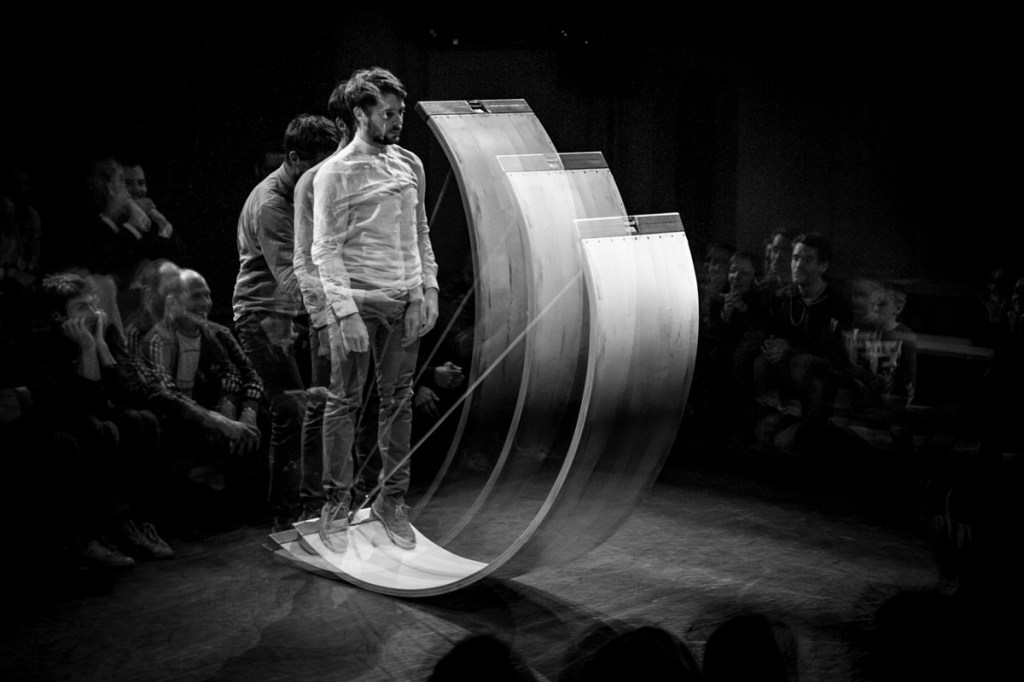
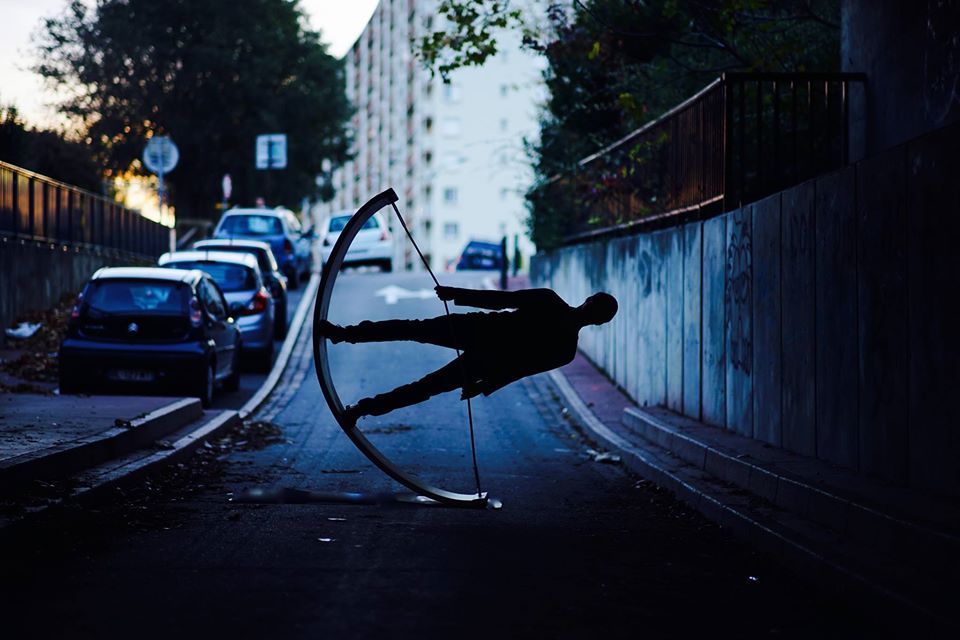
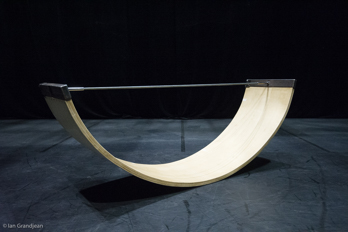
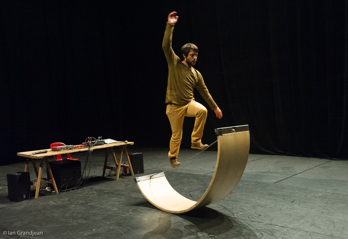
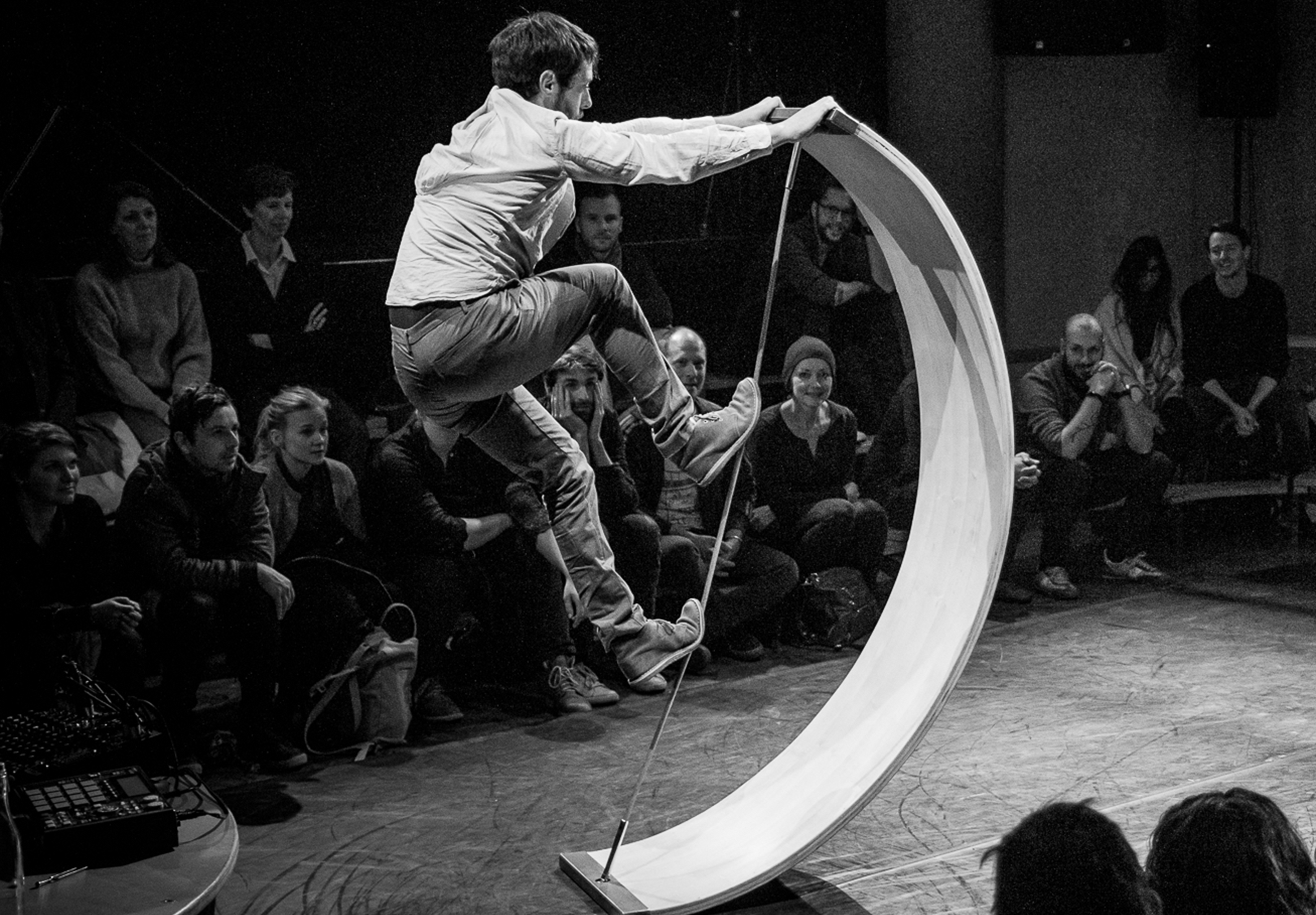
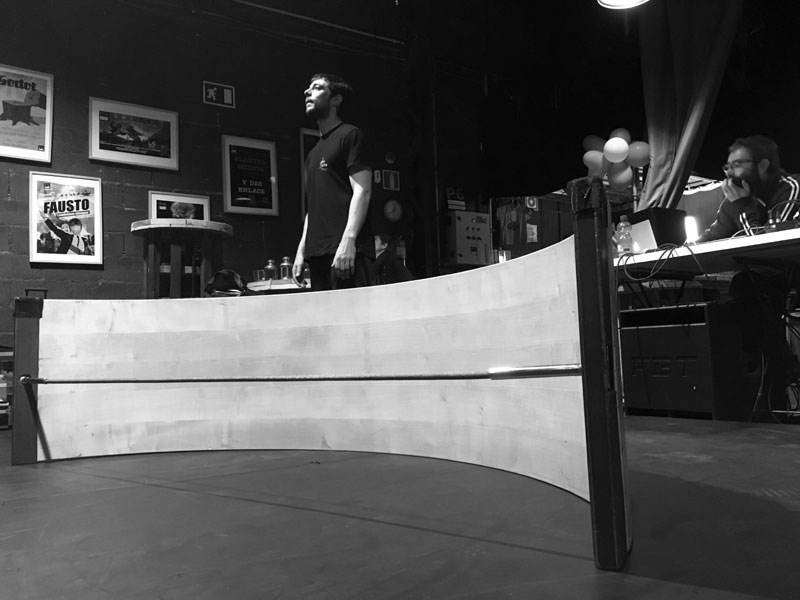
A human-sized wooden arch stretched by a metal wire: it is a strange rocker invented by the circassian Jonathan Guichard. In a tumble movement, perilous or gentle, the acrobat embarks on a journey as close as possible to the spectators. He explores all the directions and dimensions inspired by this disproportionate instrument, which becomes an extension of himself.
A playful relationship to space, matter and sounds is established, because this circus is also a sound object: we can hear an amazing music created live by this moving body. Its frictions, crackles and percussion on the floor fill the space. The funny and prodigious oscillations open the doors of the imagination.
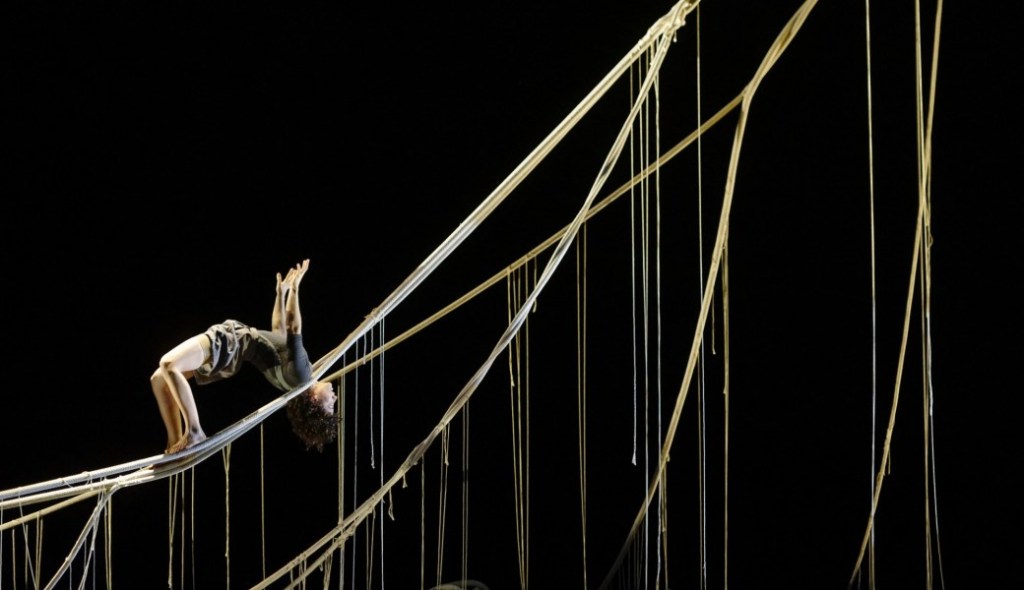
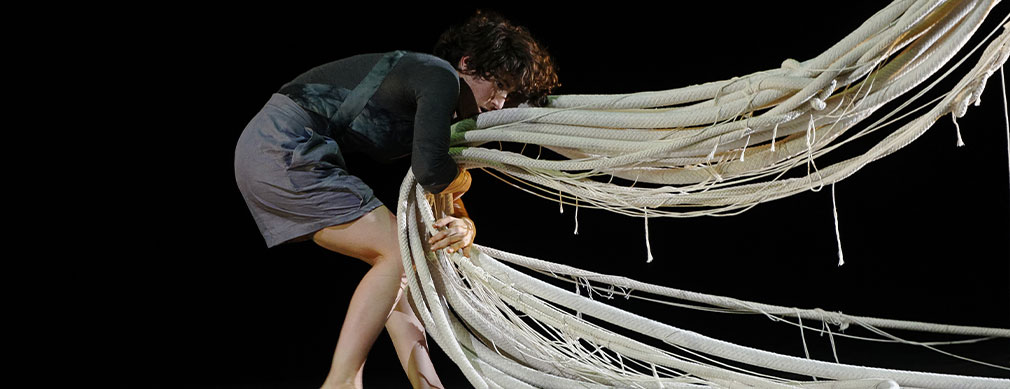
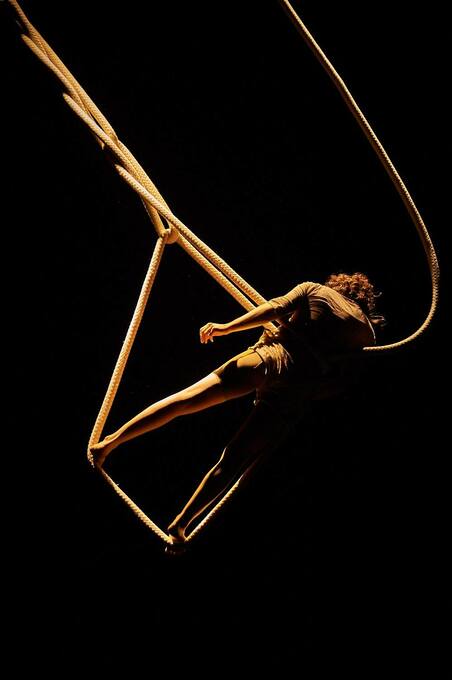
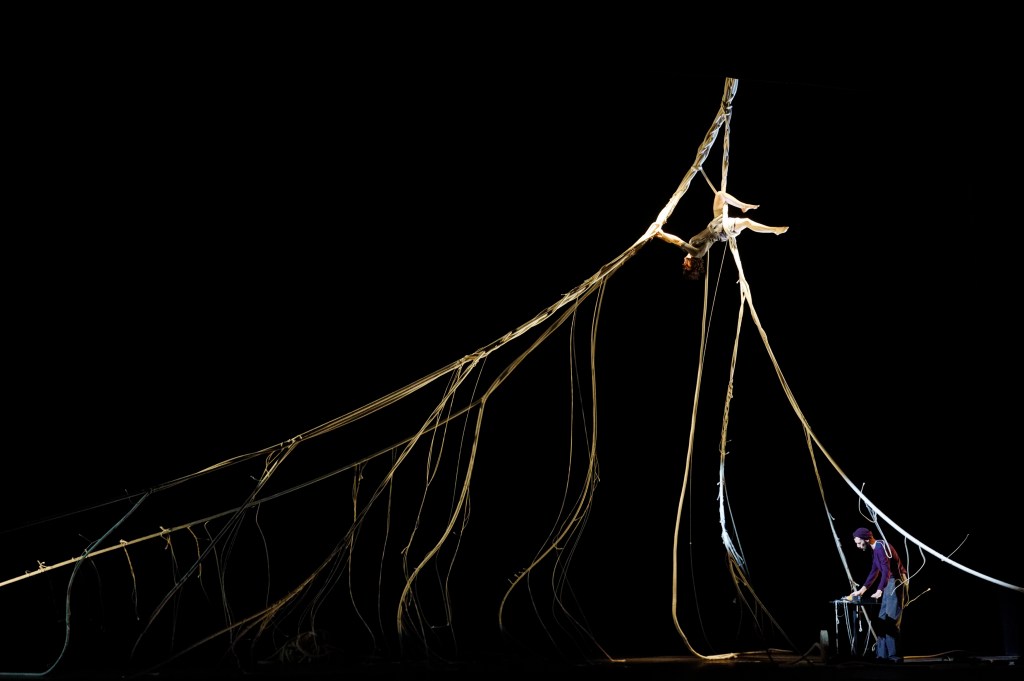
Racine(s) results from the visual, physical and poetical research of circus artist Inbal Ben Haim, who is also a nomad, traveller and nature lover.
In constant motion, most of the time in the air, she questions the concept of integration. In a duet with singer and musician David Amar, they propose a visual and musical poem of a raw and organic purity which reflects each human being’s vital issues: the Earth, roots, travel and identity.
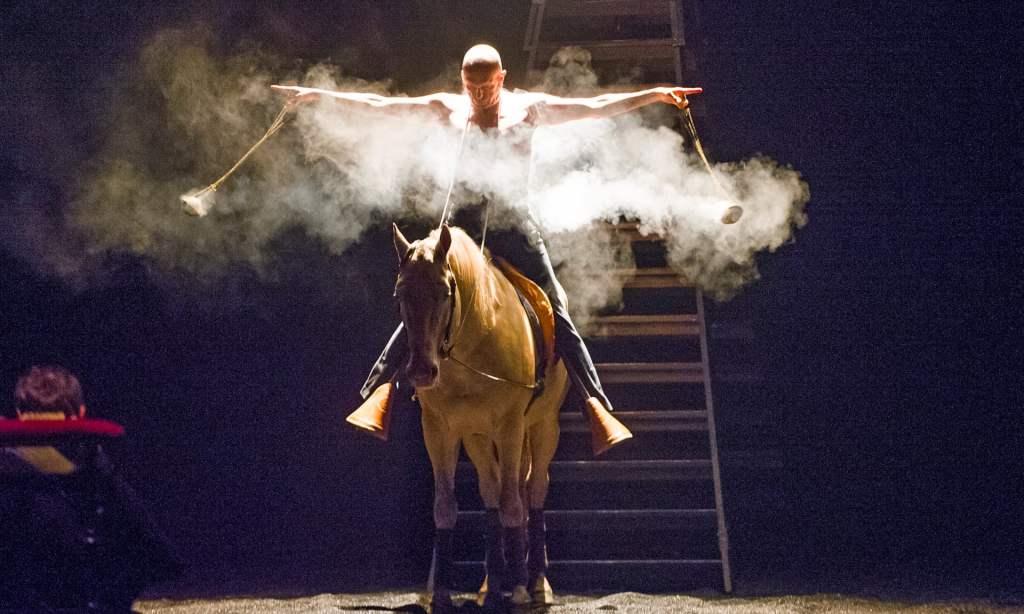
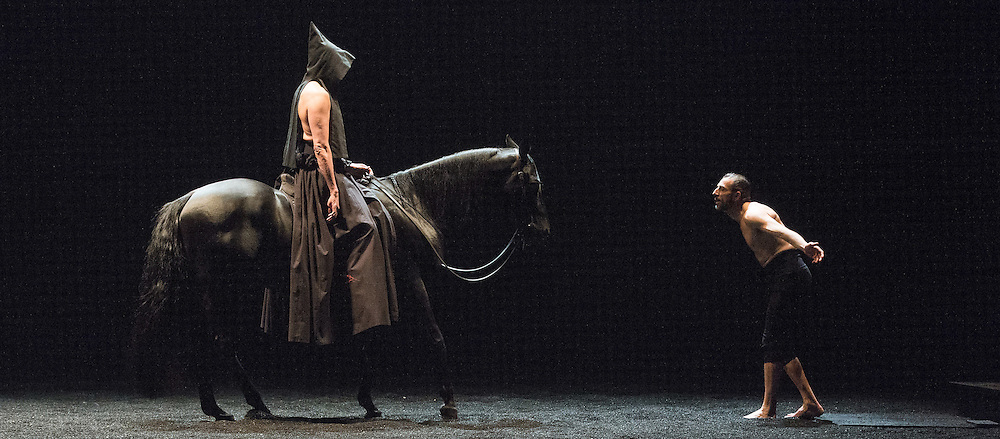
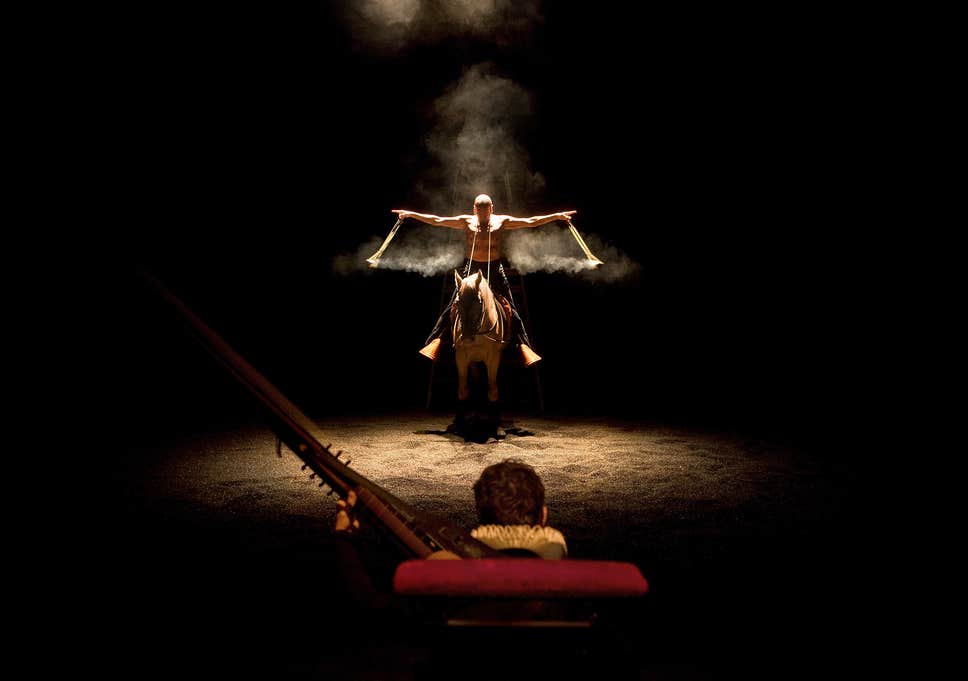
Golgota is a very male production (the Virgin Mary is notably absent), with Bartabas joined on stage by flamenco dancer Andrés Marín, three sombre white-ruffed musicians (straight from El Greco), a dwarf, four horses and a donkey.
There’s no clear enactment of the Easter story, although the work is dense with images: priests, Roman soldiers, crucifixes, candles and incense, and comes with the piercing, live accompaniment of a selection of sacred motets by Tomás Luis de Victoria. As Bartabas has said, he and Marín are like boys “locked in a church”, who play with the materials around them.
Bartabas himself is a shamanistic presence, often robed or veiled, and his command of his animals has a magical intensity as he moves them through graceful circles, an elegant rising trot, or falls with them to the floor, in a slow-motion pietá. The stage is shadowy, and apart from the music the only sustained noise is made by Marín – dancing a brief zapateado solo, drumming with his hands, or performing the final extraordinary crucifixion scene, in which his feet (clad in hooves) violently stamp out Christ’s final agony. The work is hot, strange and compelling, but the finest moments are those where Marín dances with Bartabas and his horses, where he mimics their footwork and communicates with them through a language of nuzzles, glances and breaths. It’s surely in this ancient, wordless connection between man and beast that Golgota finds its true religion.
Who is Bartabas?
Famous for his use of horses as a means of artistic expression, Bartabas is a world-renowned rider, director and stage designer. His company, Zingaro Equestrian Theatre has performed all over the world for over 25 years but these special performances mark Bartabas’ first appearance in London.
Loungta
In 2003, le Théâtre équestre Zingaro presented Loungta – Les Chevaux de Vent at the Festival d’Avignon.
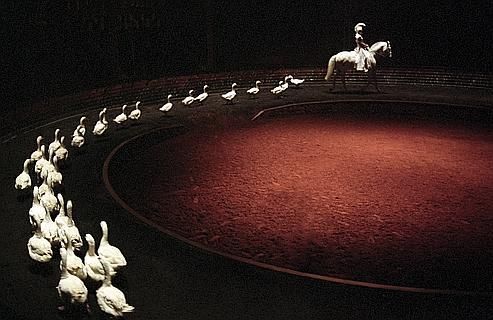
For twenty years, Bartabas, who leads the Théâtre Equestre Zingaro (Equestrian Theatre), has roamed around the world seeking inspiration in music, pursuing his essential quest for the pure gesture wherein human beings and animals reconcile spirit and body as the profane and the sacred in utmost simplicity.
Bartabas prefers ritual to spectacle. Each new musical encounter is a source of movement for this master. Algerian Berber music for the Opéra Equestre, the sonority of Rajasthan for Chimère, South Korean chants for Éclipse, contemporary partitions for Triptyk…
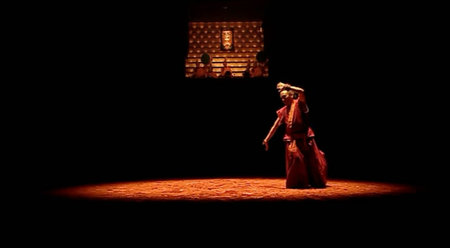
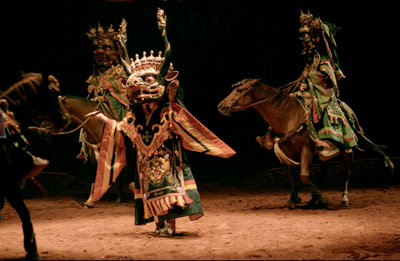
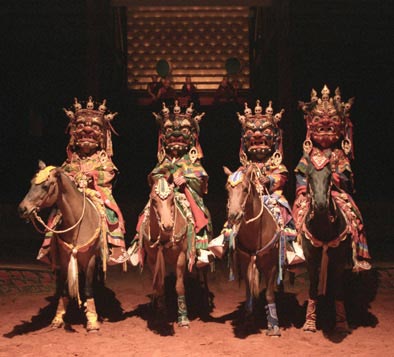
In August 2002, Bartabas returned to the East and spent a few days in a Tantric monastery in Gyuto, located in a former Tibetan province in the far north-east of India. There he watched as disciples sought their individual accomplishment on Buddha’s path, and was inspired by their rhythm, discipline and rigour which then helped him produce the images and the choreography for his new performance, Loungta, The Horses of the Wind.
The riders, dancers and musicians are reunited in the ring. Ten Tibetan monks aged between twenty to seventy, diffuse the deep tone of their “buffalo voices”. On their traditional instruments, they play partitions which are indissociable from their daily religious practices.
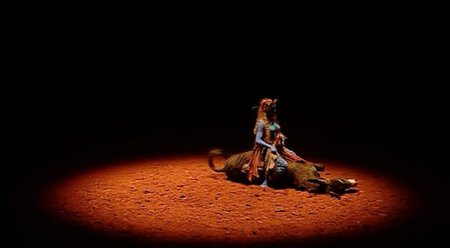
They agreed to leave their monastery to share three years of the daily life of the company. About thirty horses, twenty riders and dancers are clad in costumes inspired by certain ancestral rituals and their faces are the angry masks of the gods and goddesses of death. Bartabas returned from the jungle and the areas around the Himalayas with the desire to bring about a certain state of being among his horses and his riders, to attain the precision/aptness of an increasingly elementary beauty.
Bartabas, while moving even further from the frivolity and frenzy of the contemporary West, re-asserts his philosophy, exalting ancient oriental values. He goes in search of the essence of beings, human or equine in a bid to bring them closer together and to celebrate them.
CIRCa Fesival
Initiated by members of the Jeune Chambre Economique (Economic Chamber of young business people), the CIRCA Festival was created in 1988.
In 2015, CIRCa created buzz by hosting the last Zingaro show as well as the well known Cirque Plume which then celebrated then its 30th anniversary. Since 2015, every year, the CIRC receives an average of 100 artistic teams, either artists in residence or shows programmed during the Season or during the Festival of Contemporary Circus.
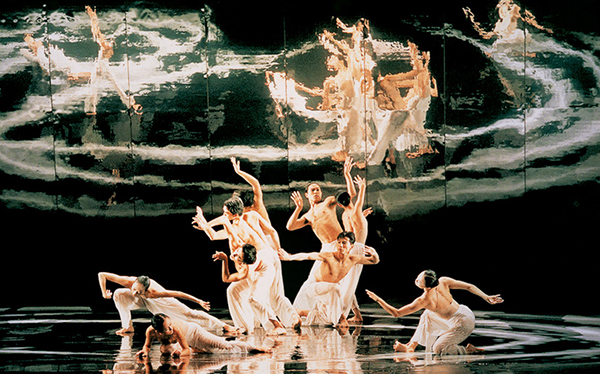
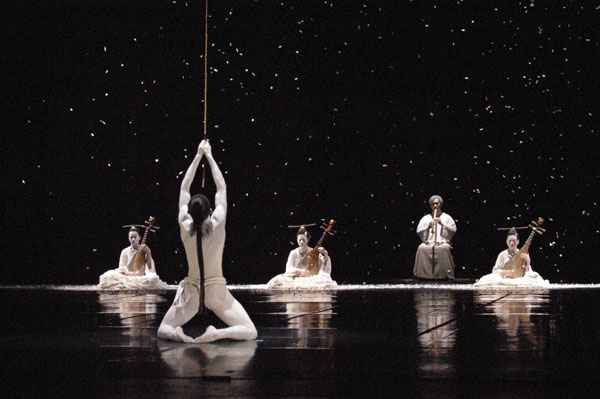
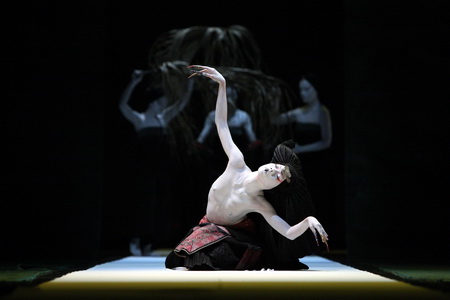
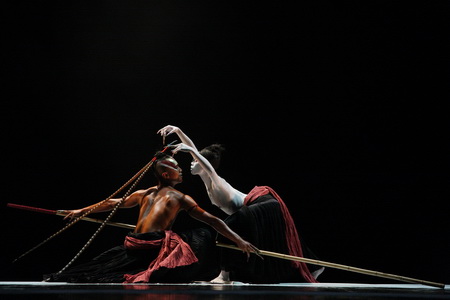
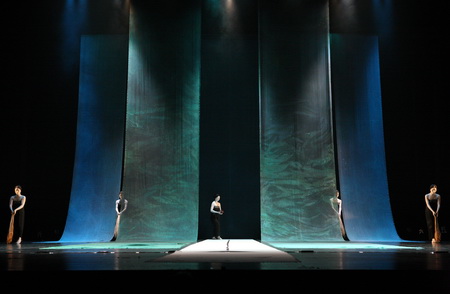
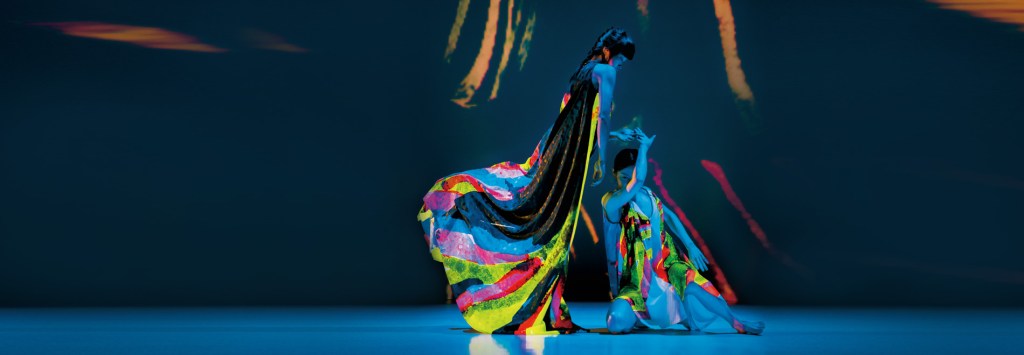
Cloud Gate Dance Theater is a modern dance group based in Taiwan, the first of its kind in Taiwan and Asia. It was founded by choreographer Lin Hwai-min in 1973,[3] and later he shared its management with his late protégé, Lo Man-fei, a renowned choreographer in her own right.
Cloud Gate created numerous dances that evoked the unique experience of Taiwan people within the larger Chinese and Asian context. Known for its extensive international tours, Cloud Gate has performed in Europe, Asia, North America, and South America. The company also spends much of its time performing throughout Taiwan, and is generally acknowledged as the country’s premier dance organization.
The organization has two branches other than its main dance company. One, called “Cloud Gate 2”, tours communities and works with and helps develop young dancers and choreographers. It was founded in 1999. The other, Cloud Gate Dance School was founded in 1998 with a view to making dance education more broadly available.
13 Tongues
PREMIERE: 2016
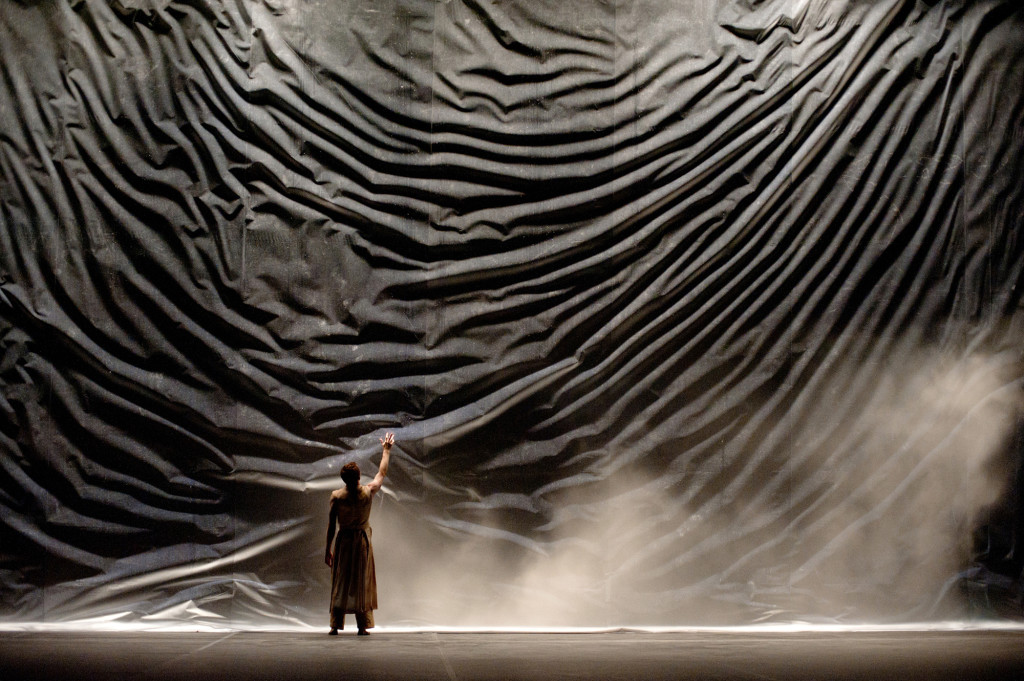
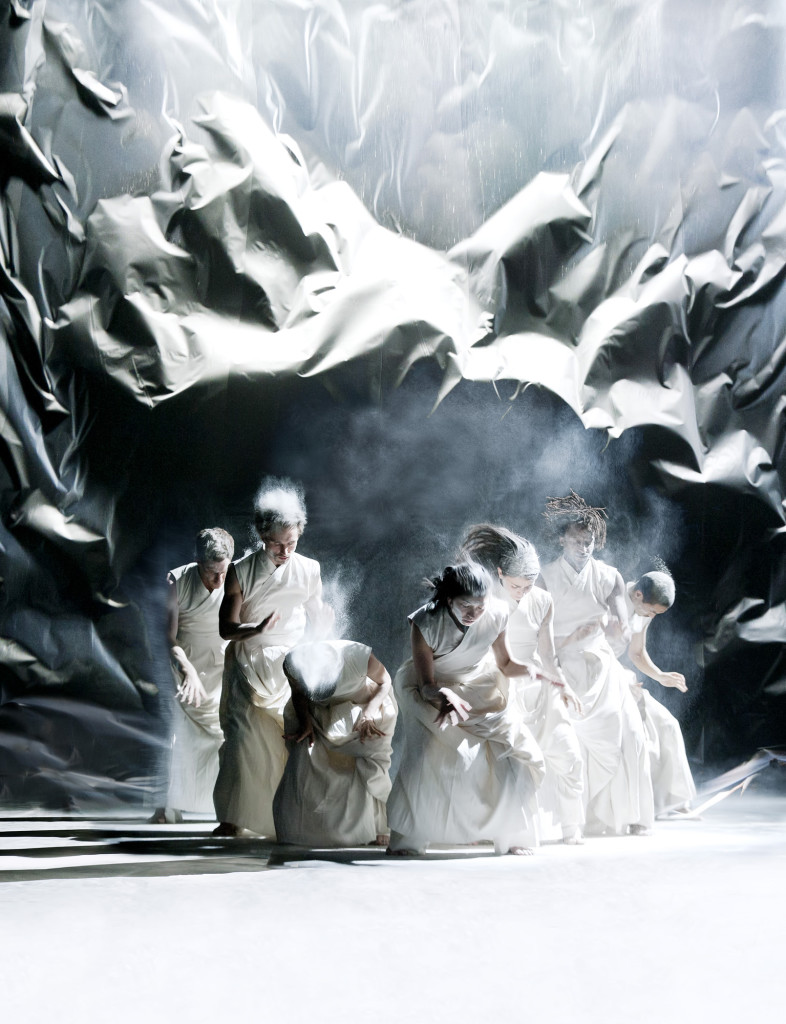
As Lin Hwai-Min, founder of the world-renowned Taiwanese company, steps down in 2020, Cloud Gate Dance Theatre brings works from the current and new artistic directors. Lin’s Dust uses Dmitri Shostakovich’s response to the destruction of Dresden to form his own requiem for this century. Dancers struggle through smoke and dirt until they are swallowed up in the darkness. Cheng Tsung-Lung grew up selling slippers on the side of the road. For 13 Tongues, Cloud Gate’s new artistic director merges his memories of the sights, sounds and vitality of Bangka, Taipei’s oldest district, with the fantastical tales of the storyteller Thirteen Tongues.
Wind Shadow
PREMIERE: 2009
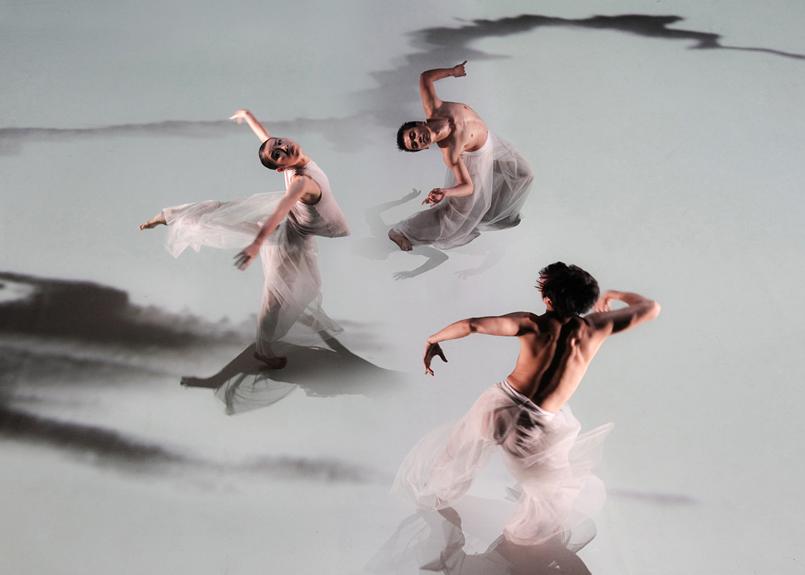
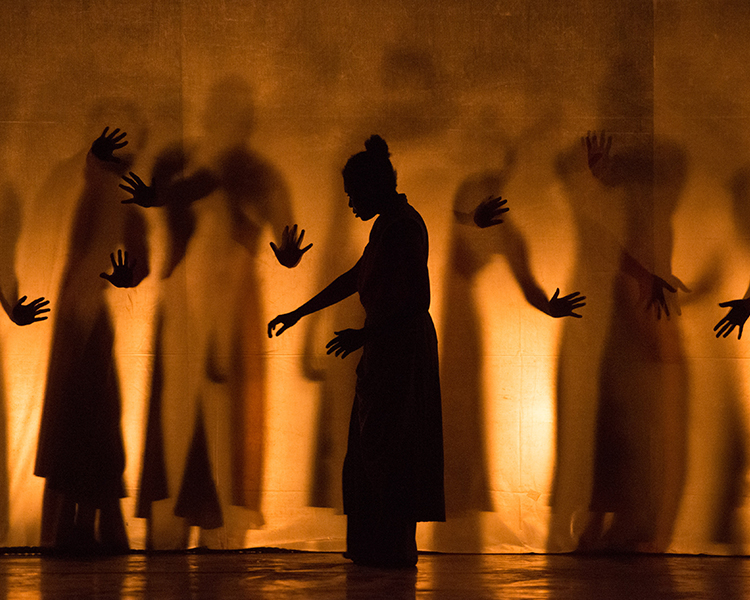
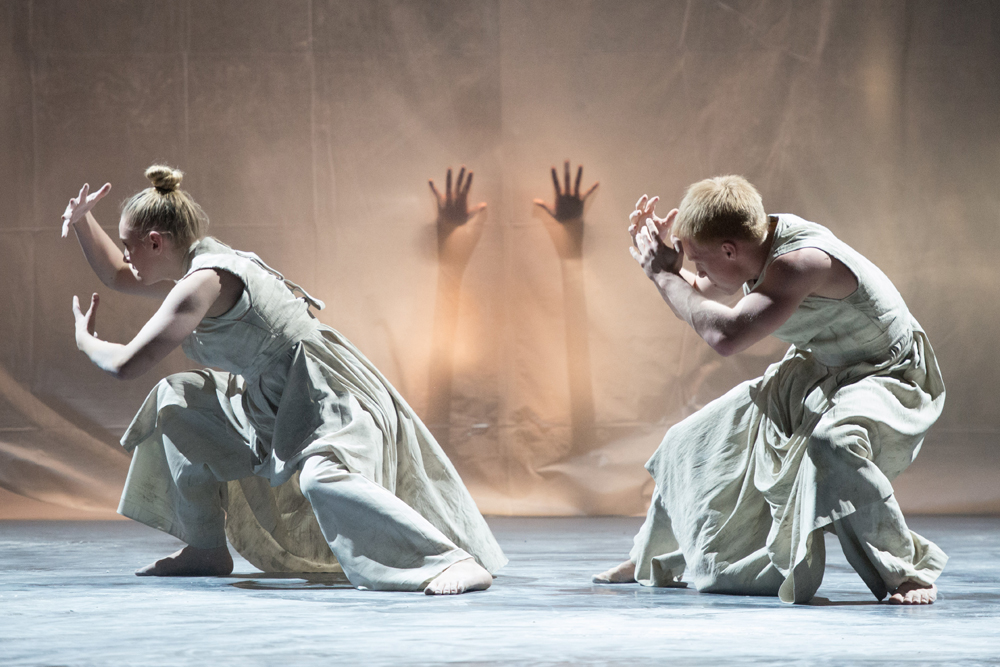
Part of Dance Umbrella 2009. Choreographic master Lin Hwai-Min has created a contemporary dance work that makes shadows come alive. Joining forces with leading Chinese visual artist Cai Guo-Qiang, WIND SHADOW is a study of motion created through monochromatic palettes and the use of light and shadow. Set to a haunting soundscape, the dancers capture the intangible quality of the wind and the variable structure of shadows. Projections of Cais gunpowder drawings merge into silhouettes and form a moving art installation within which the dancers engage with their independent shadows.
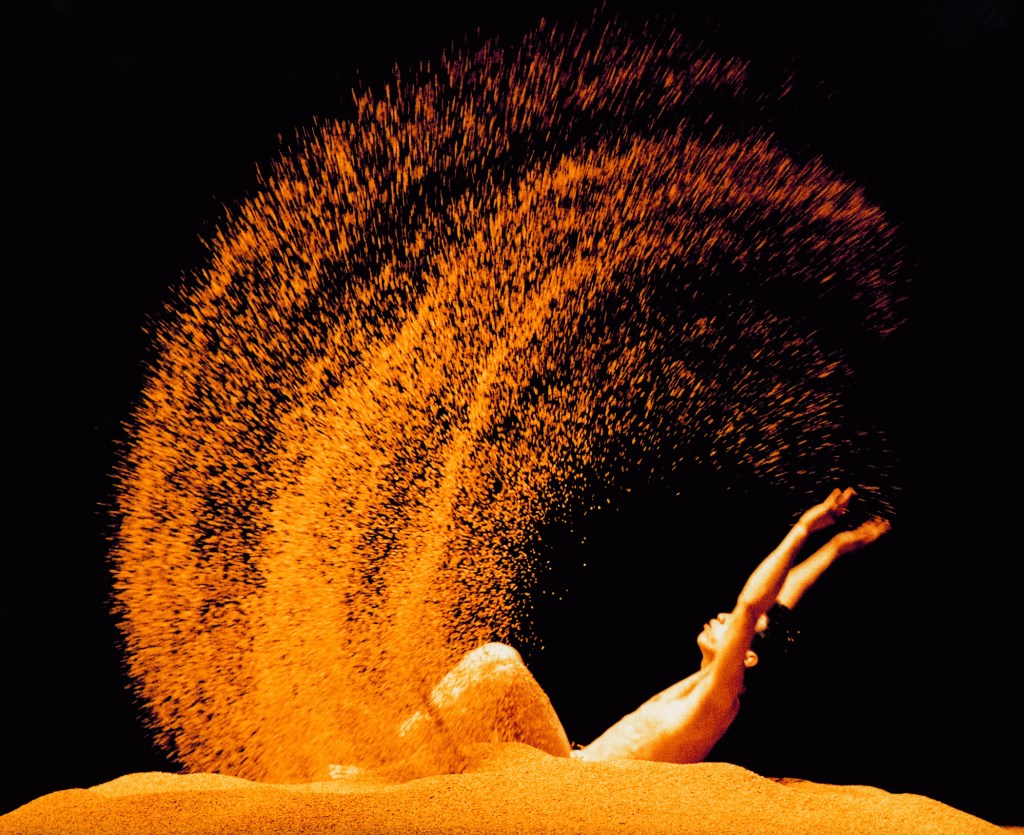
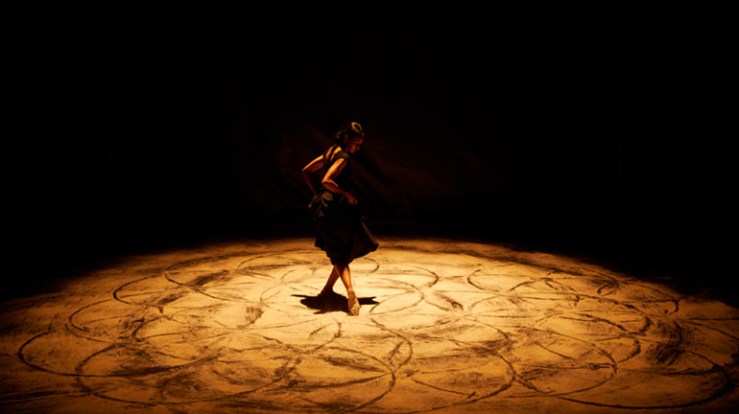
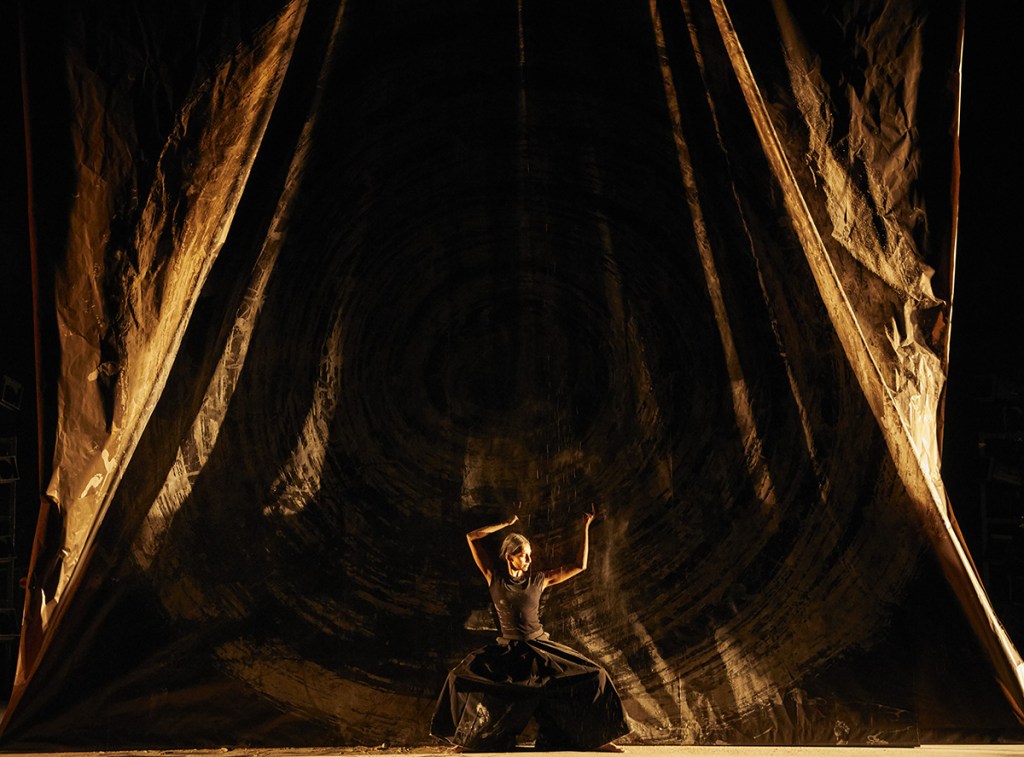
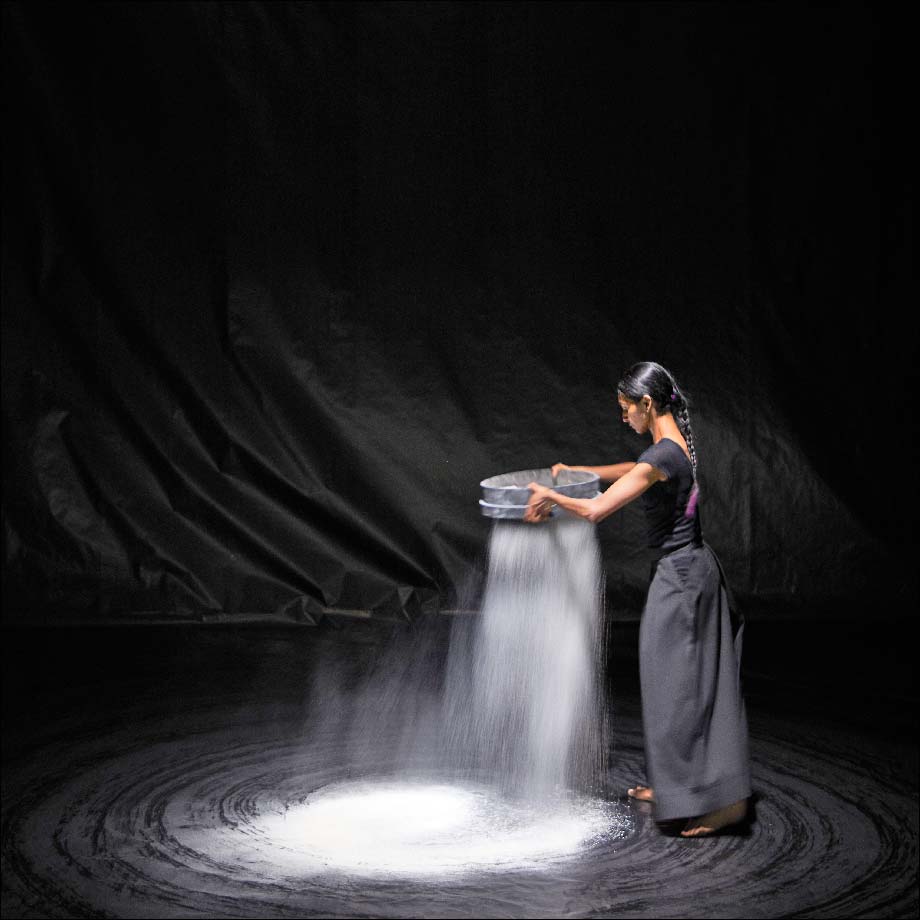
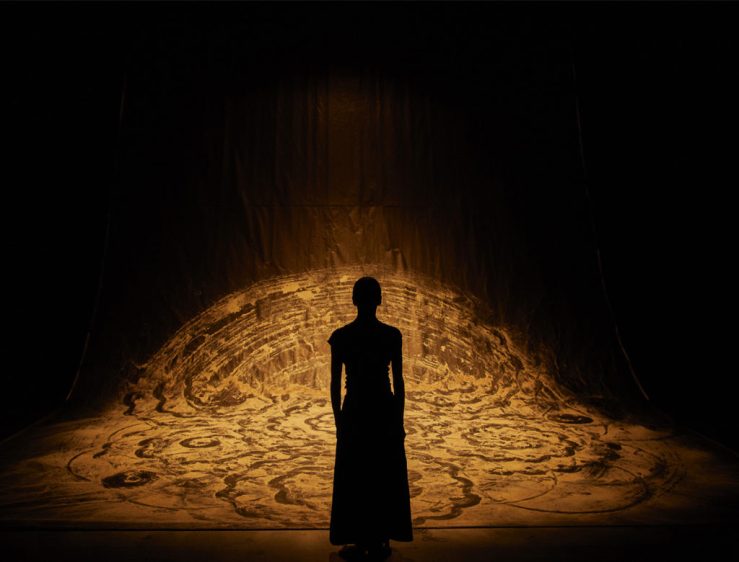
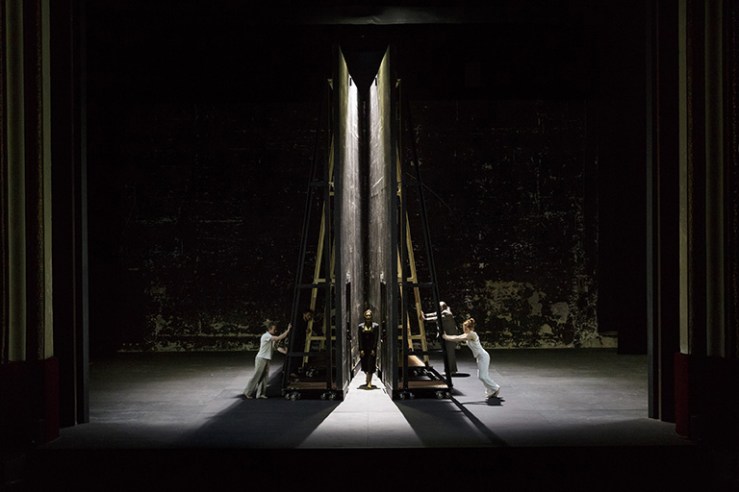
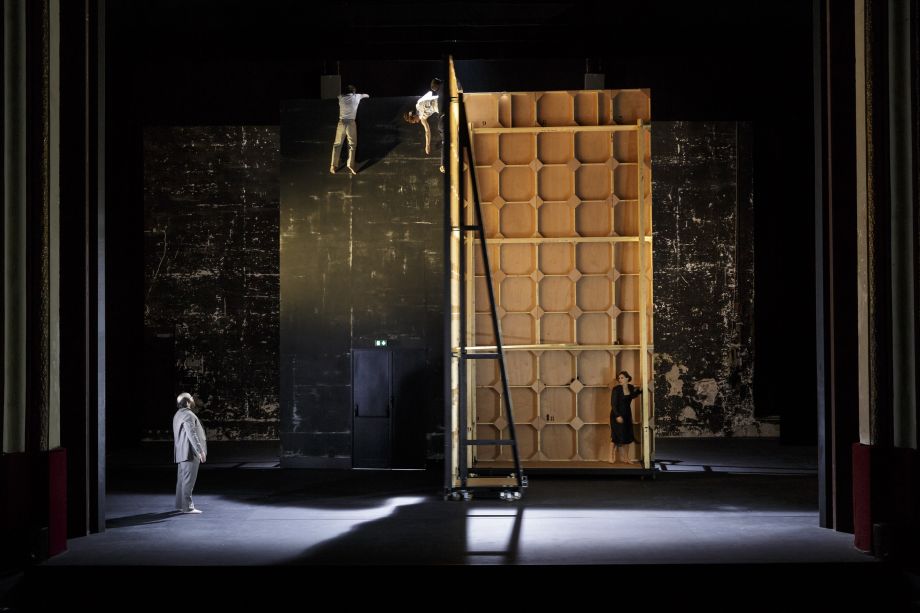
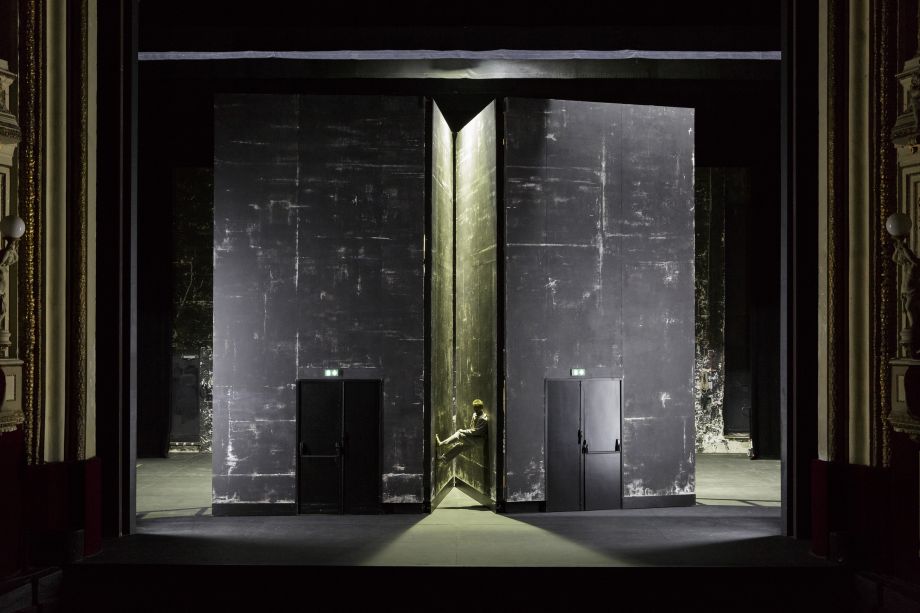
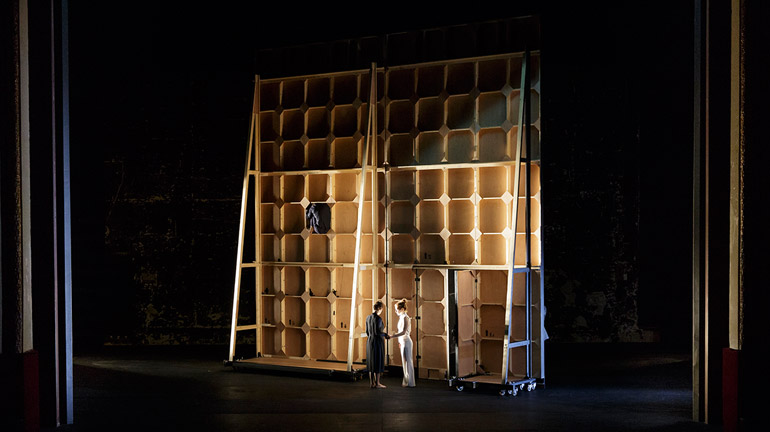
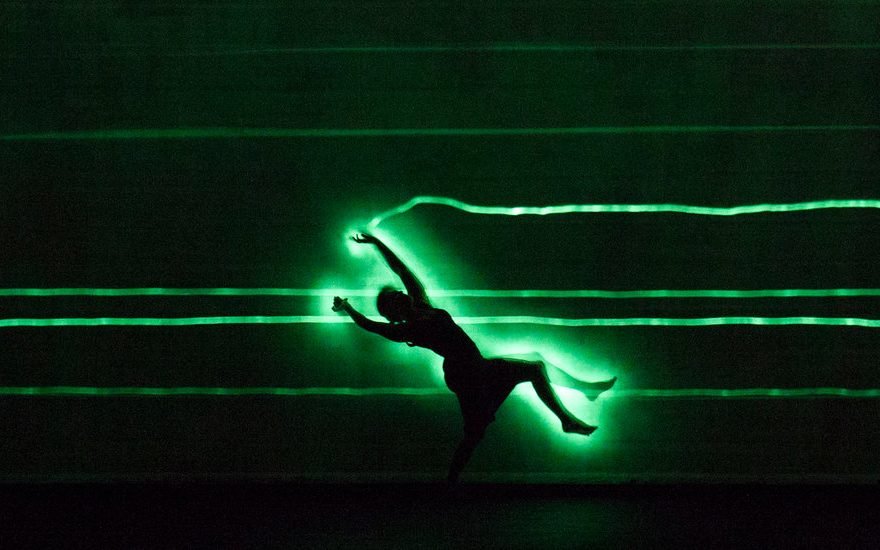
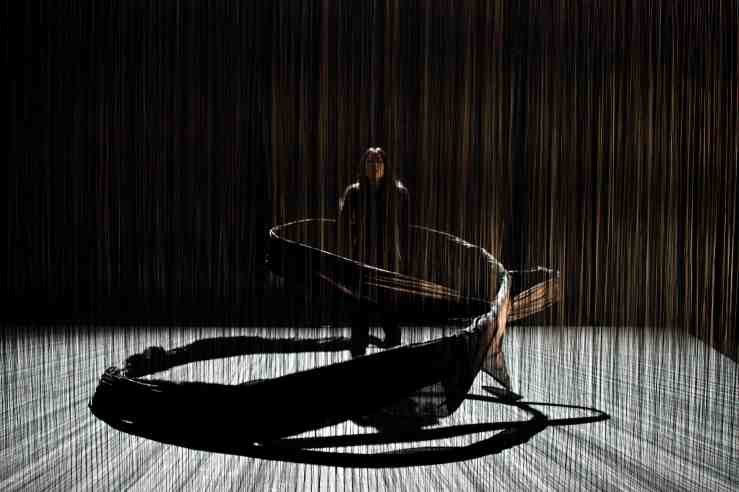
Aurélien Bory collaborates with the charismatic Indian dancer, Shantala Shivalingappa in this exquisite solo infused with poetry and spirituality. Embodying the majestic figure of Shiva, Shivalingappa dances on a blanket of ash, a symbol of the cycle of life, her pure and sensual movements forming mandalas beneath her feet. Tracing her journey from her ancestral Indian dance, Kuchipudi, to the contemporary dance that has earned her international recognition, aSH is a remarkable fusion of Western and Asian cultures, a miracle of poetry in motion.
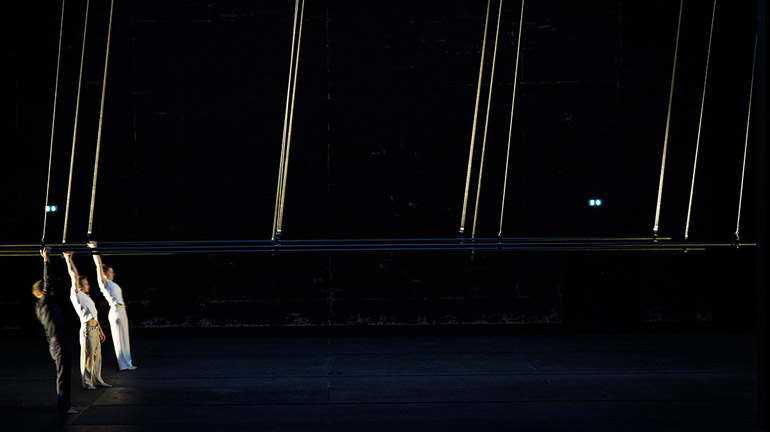
Along with his Compagnie 111, Aurélien Bory has gained a reputation as a poet of space and a wizard of staging; an artist capable of blending elements of dance, music, magic and circus in his visual theatre.
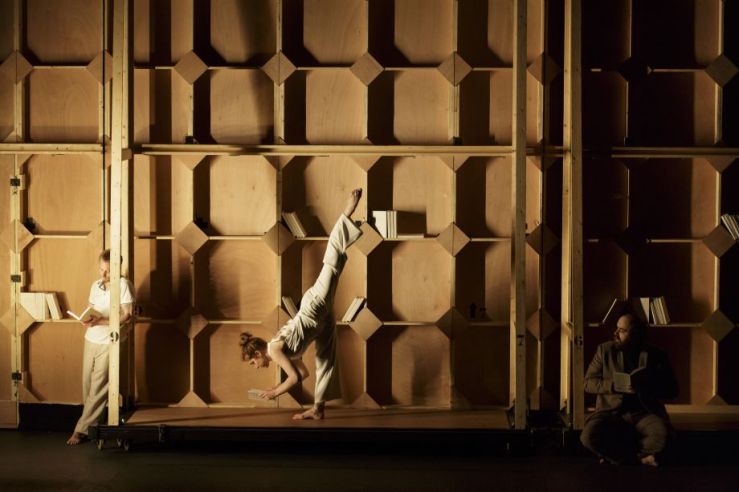
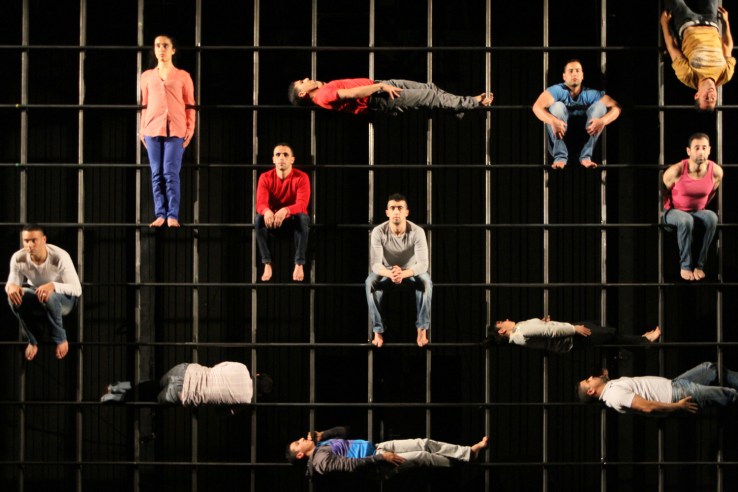
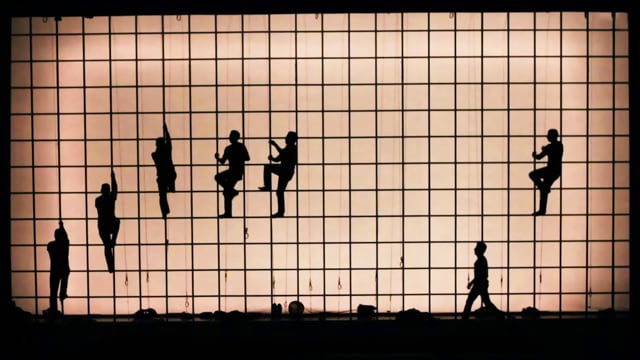
Created from the comparison with Species of Space – Espèces d’espace by Georges Perec, Espæce (note the overlapping of the two terms that make up the title of the book) is therefore the natural continuation of this artistic path.
With acrobat Guilhem Benoit, dancer Mathieu Desseigne Ravel, contortionist Katell Le Brenn, opera singer Claire Lafilliatre and actor Olivier Martin Salvan, Bory has composed a real tribute to the French writer – who was orphaned at a tender age following the death of his father in war and his mother’s deportation to Auschwitz – in a jigsaw puzzle of faded memories, allusions, voids and absences.
If the theatrical scene is used here to replace the paper pages that make up the famous text, then the hyperbolic language games of Perec are returned through the manipulation of all of its mathematical tools. A new vision machine capable of creating irony, emotion and wonder, or a poetic journey through the many landscapes of our existence.
2013 : Azimut, with the Tangier-Morocco acrobatic group
Freely based on the figure of Sidi Ahmed Ou Moussa
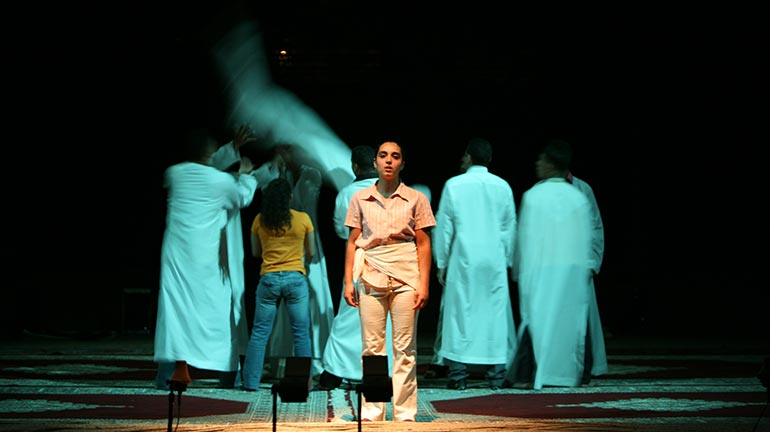
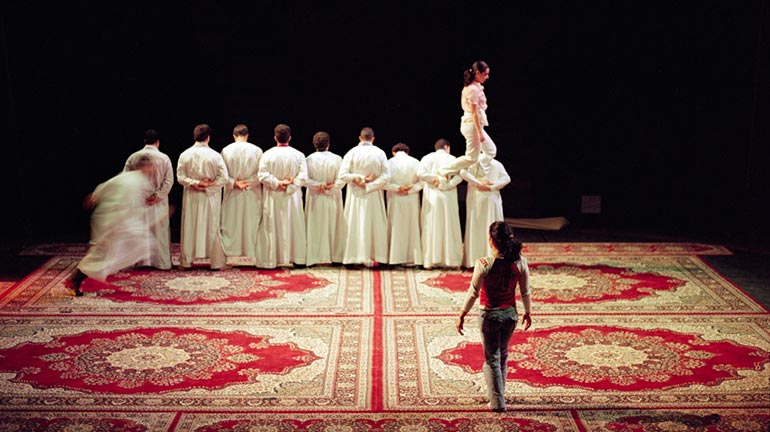
Moroccan acrobats are called “the children of Sidi Ahmed Ou Moussa”. He was an eminent 16th century Sufi thinker, whose grave has become a pilgrimage shrine. He is regarded as the Patron Saint of Moroccan acrobatics. Initially, these acrobatics performances are not considered as being a part of the performing arts; they are closely related to Soufism, they emerged from ancient Berber ritual practices and they consist of circular and pyramidal stunts, in which I perceive both celestial and maternal representations.
In Sufism, an ontological quest, the concept of the path is essential. Azimut (Azimuth in English) derives from the Arabic As-samt (Sumūt in the plural), meaning “the paths”. Azimut is the term used in astronomy to describe the angle between the observer and the celestial bodies. With this meaning, the sky is summoned. In the legend of Sidi Ahmed Ou Moussa, when the wise man reached the heavens, he looked back at Earth and men, and settled upon going back. Among others, his path led me to embrace the return motif as the core of the writing.
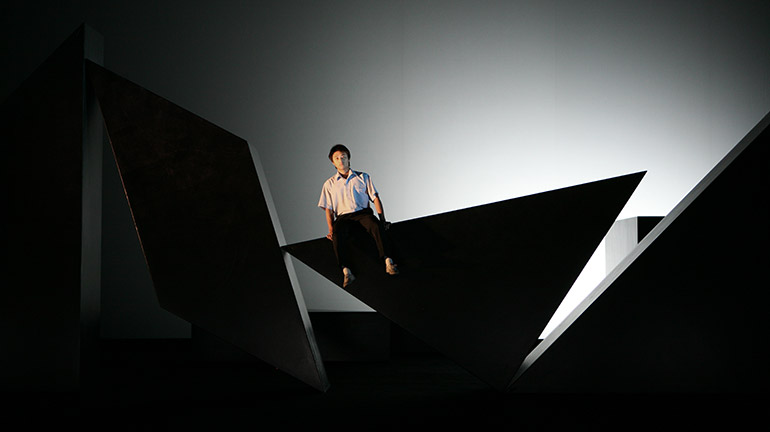
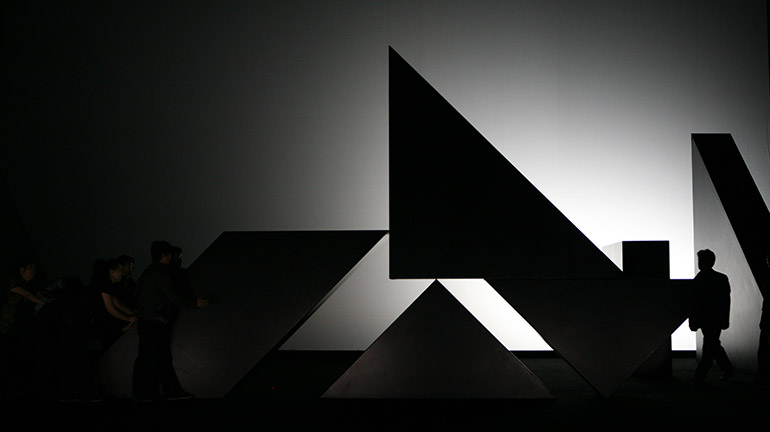
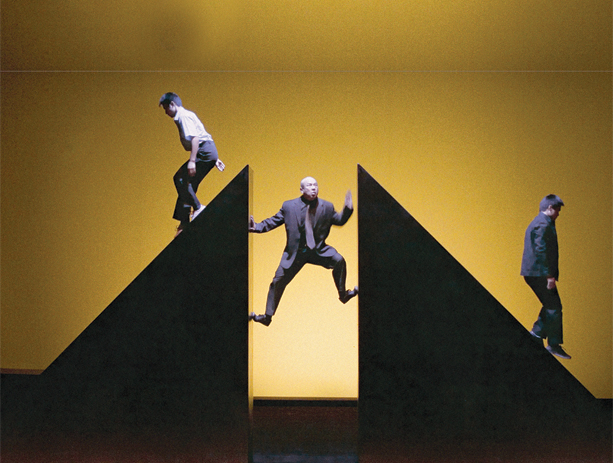
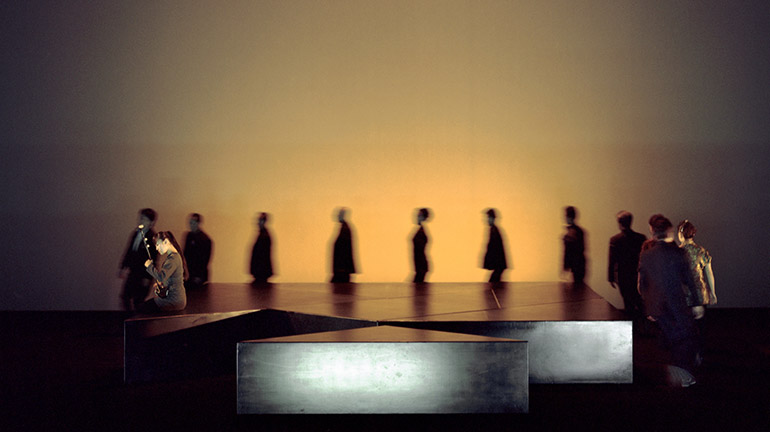
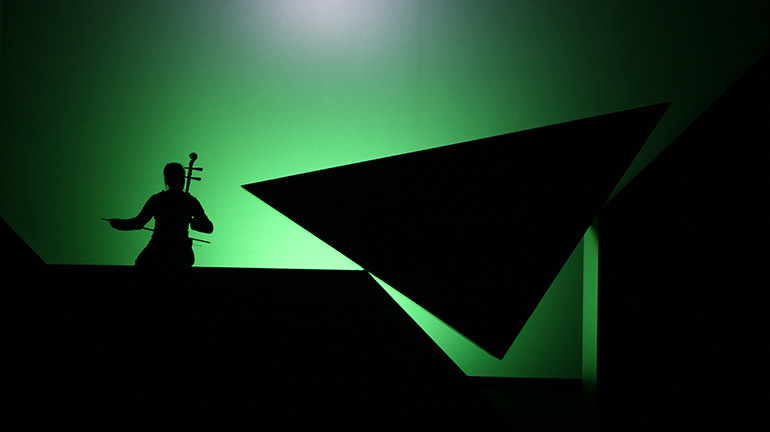
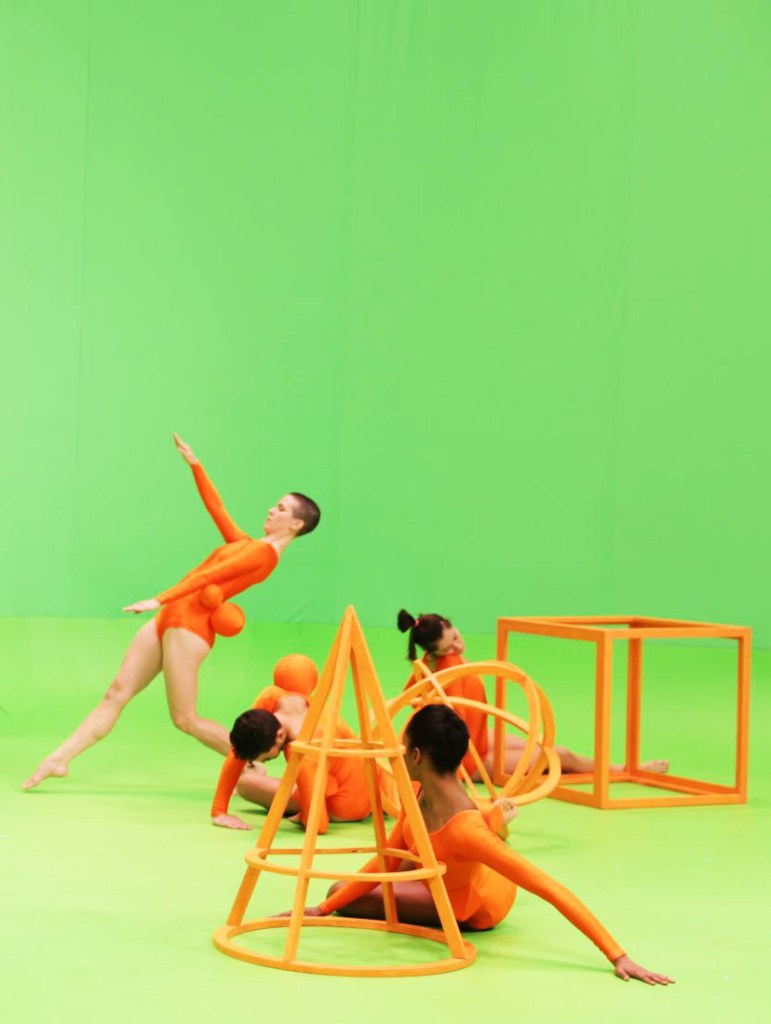
This show was born out of Aurélien Bory’s desire to go to China to meet artists in the town of Dalian, who are the most technically accomplished in the world. He wanted to work with them to compose a contemporary visual tale inspired by a game which dates back to Chinese antiquity: the tangram, or in Chinese “qi qiao ban”, which means “the seven boards of cunning”. This is a solitaire game, based seven geometrical elements: five triangles of three different sizes, a square and a parallelogram, which must be assembled to form one large square. The game’s components are manœuvred by sixteen people who stand them up, climb on them, get into them, following their changing forms, slip into a hollow cube, construct improbable and ephemeral edifices.
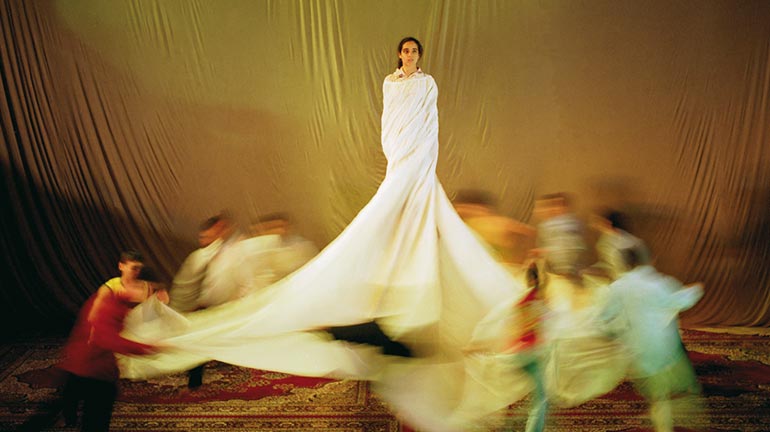
Performed by a group of twelve acrobats from Tangiers, Taoub (fabric in Arabic) aims at remaining close to the art of weaving. The show crosses the threads between circus, theatre and video with fabric as its sole decor, mobile and transformable. This fabric is in turn: floor, cloth, blanket, tent or clothing, the main accessory and the sole partner of the actors, a recipient of light, a projector and a screen but also a propulsion tool for the acrobats. All the possibilities between the fabric and the acrobat are presented to build a luminous and spectacular fresco. A genuine human fabric, Taoub explores the relationships of solidarity and competition and questions the resources of social or family fabric. Aurélien Bory, the director of the magnificent Plan B, builds a world from scratch or nearly and adds an artistic and poetic dimension to the spectacular nature of acrobatics.
Aurélien Bory / Compagnie 111: Sans Objet
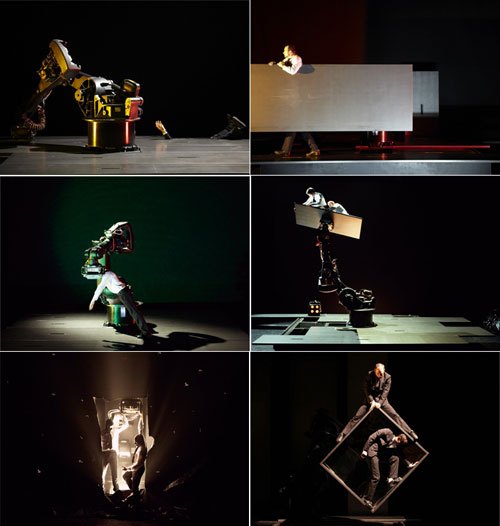
“I asked myself: What was the first robot? And I found that the first was the industrial robot, built during the 1960s and then hugely developed during the late 60s and early 70s. This robot, an industrial robot arm with six rotational axes, didn’t really change after that early period of intensive development — in terms of electronics and computing it of course became more complex, but it was the same object: the six-axis arm. And I said, OK this is the first robot, about my age. When I was born, he was there.”
Akram Hossain Khan, is an English dancer and choreographer of Bangladeshi descent. His background is rooted in his classical kathak training and contemporary dance.
“The rules of Khan’s new company were simple: take risks, think big and daring, explore the unfamiliar, avoid compromise and tell stories through dance that are compelling and relevant, with artistic integrity.”
In August 2000, he launched Akram Khan Company. His first full-length work Kaash, a collaboration with Anish Kapoor and Nitin Sawhney, was performed at the Edinburgh Festival in 2002.
In Kaash, Hindi for ‘if’, the British-Bengali choreographer Akram Khan presents his own vision of Shiva, the god of both destruction and creation. The world-famous artist Anish Kapoor translates this transcendent theme into a poetic stage setting. With his compelling rhythmic structures, the English-Indian composer Nitin Sawhney then creates parallels with Khan’s powerful movement idiom, rooted in the Indian dance form Kathak.
DESH —- Premier: September 15, 2011
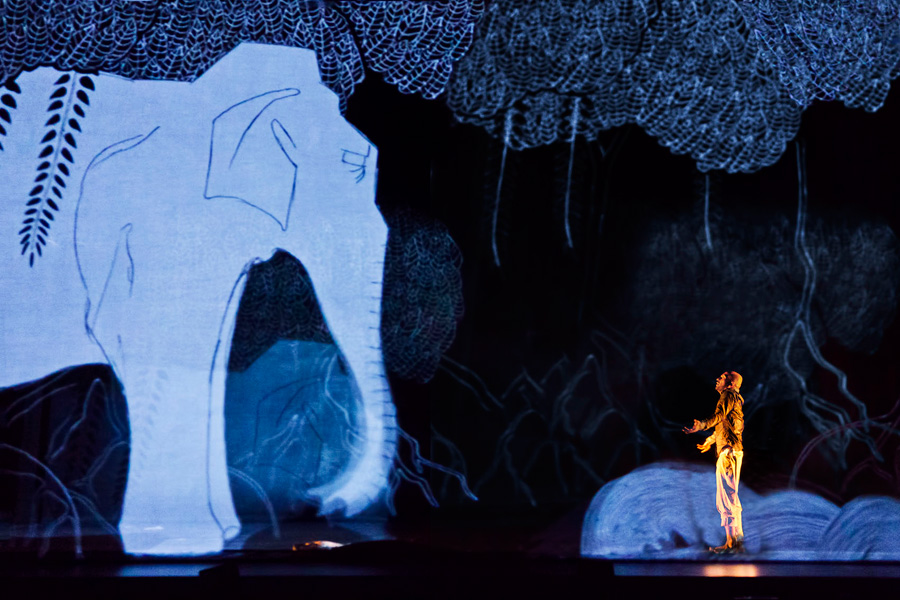
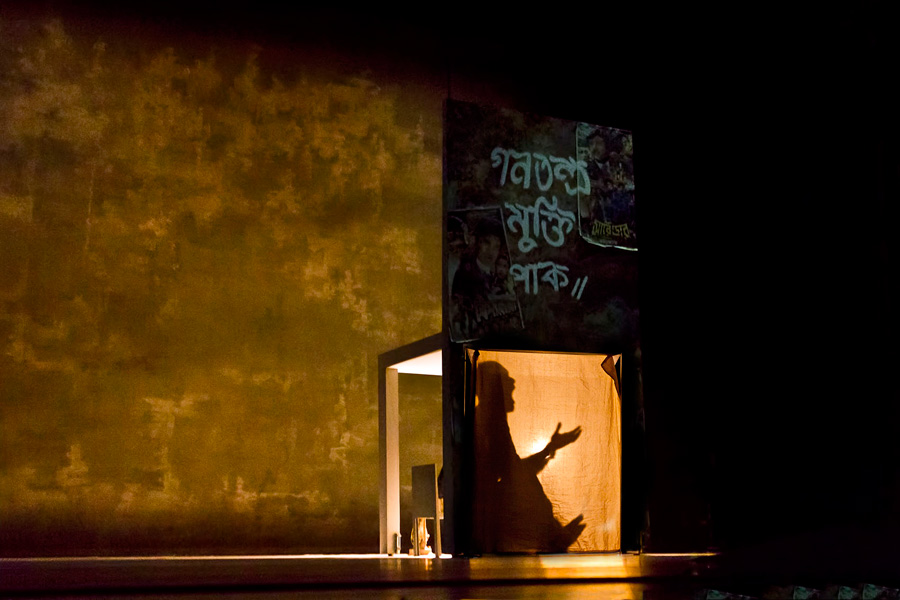
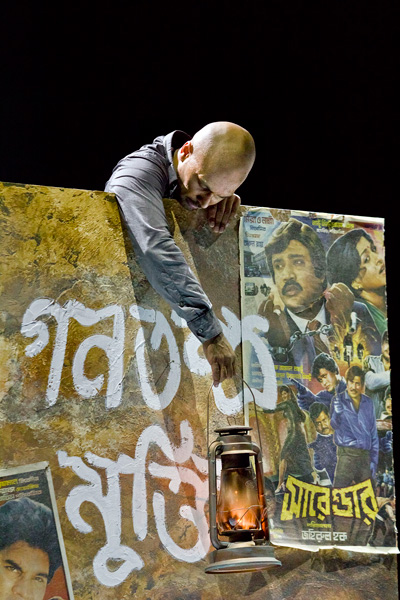
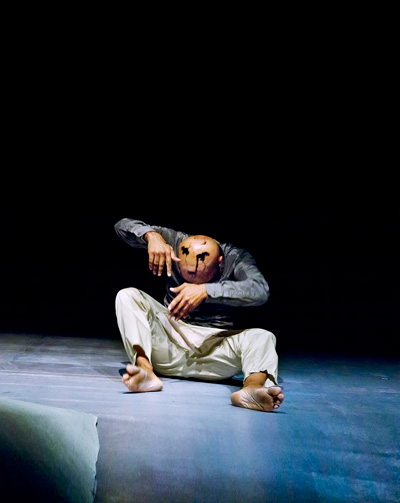
DESH is a new full-length contemporary solo and the most personal work to date from celebrated choreographer and performer, Akram Khan. DESH meaning ‘homeland’ in Bengali, draws multiple tales of land, nation, resistance and convergence into the body and voice of one man trying to find his balance in an unstable world.
Moving between Britain and Bangladesh, Khan weaves threads of memory, experience and myth into a surreal world of surprising connection. At once intimate and epic, DESH explores fragility in the face of natural forces, and celebrates the resilience of the human spirit in the rhythms of labour, in dream and story, and in transformation and survival.
For this production, Khan teams up with Oscar-winning visual artist Tim Yip (Production Designer for Crouching Tiger, Hidden Dragon), fellow Sadler’s Wells Associate Artist lighting designer Michael Hulls, writer and poet Karthika Nair and Olivier award-winning composer Jocelyn Pook.
Zero Degrees —- Premier: July 8, 2005
An exciting collaboration between Akram Khan and Sidi Larbi, this is an opportunity to see these remarkable artists working with sculptor Antony Gormley and composer Nitin Sawhney.
Khan and Larbi first met in 2000 when they quickly discovered strong similarities in their work. Both are sons of Islamic families brought up in Europe, and both draw upon this meeting of cultures, combining complex Indian Kathak dance with the speed and precision of contemporary movements.
zero degrees was borne out of their longing to create work together, and follows them on a journey to seek the reference point, the source, the ‘0’ at life’s core. Inspired by their own dual identities, the two search for this middle point through polar opposites; becoming/death, light/dark, chaos/order.
Creating the environment for this journey is artist Antony Gormley, most famous for his ‘Angel of the North’ sculpture. Working closely with the two dancers, his design will reflect the concept of duality explored in zero degrees. Specially commissioned music is by composer/producer Nitin Sawnhey. This is a rare chance to see four of today’s greatest artists join forces.
In Vertical Road Khan has assembled a cast of very special performers from across Asia, Europe and the Middle East. With a specially commissioned score by long-term collaborator composer, Nitin Sawhney, Vertical Road draws inspiration from the Sufi tradition and the Persian poet and philosopher Rumi. Exploring man’s earthly nature, his rituals and the consequences of human actions, Vertical Road becomes a meditation on the journey from gravity to grace.
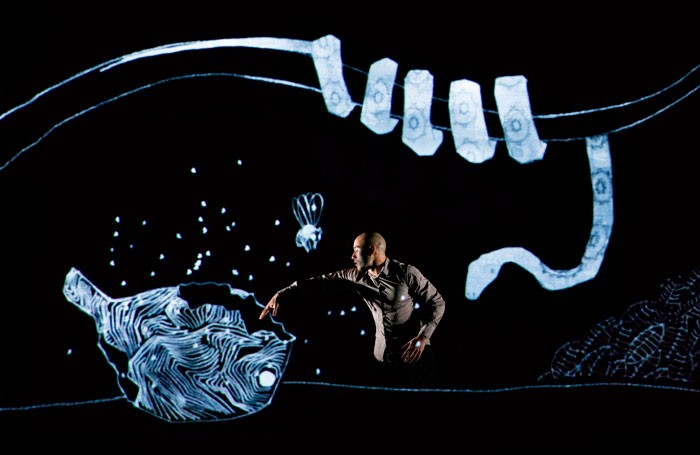
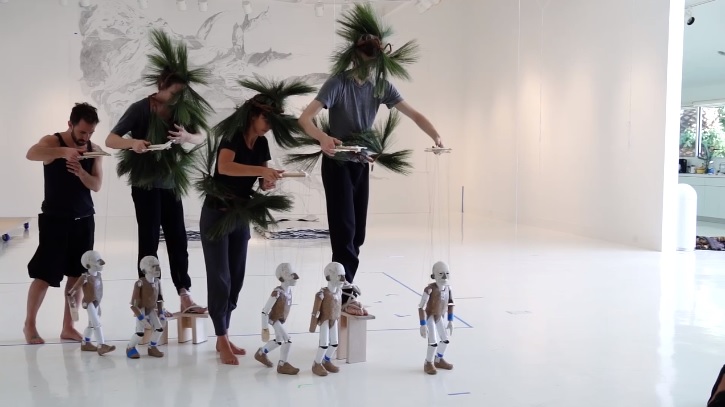
The New York City-based Phantom Limb Company, founded by composer and marionette maker Erik Sanko and visual artist Jessica Grindstaff, is critically acclaimed for its reinvention of traditional theatrical forms, incorporating marionette puppetry, music, and large-scale installation in order to probe issues of contemporary life.
Since the success of their first marionette play The Fortune Teller in 2006, Sanko and Grindstaff have collaborated on numerous original theatrical works with such diverse artists as Ping Chong & Company, Ulrike Quade, Geoff Sobelle of Pig Iron and rainpan 43, and Mark Z. Danielewski.
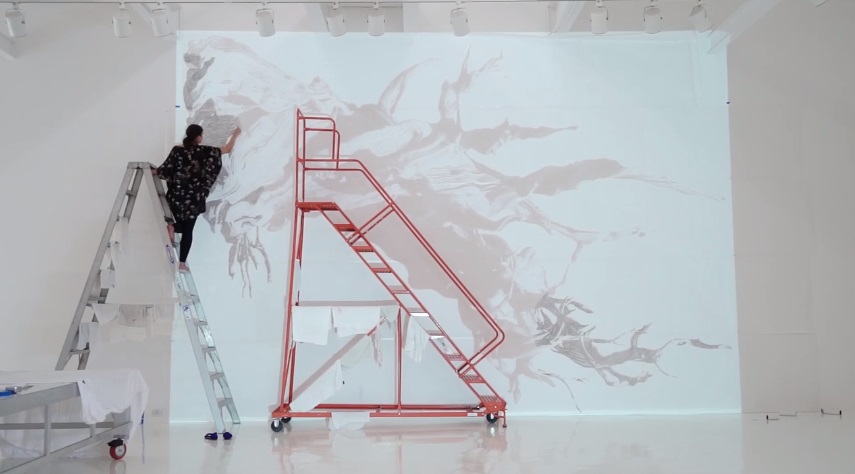
Jessica Grindstaff is a multimedia artist. Known for her tiny Victorian taxidermied shadowboxes, wax and chalk paintings, she has most recently taken her micro-universe macro through the medium of installation and set design.
Erik Sanko is a lifelong musician, and has played with The Lounge Lizards, John Cale, Yoko Ono, They Might Be Giants and his own band, Skeleton Key. Erik also has always made puppets, first for his own amusement, then for art collectors, and now for theatrical productions.
69˚S.
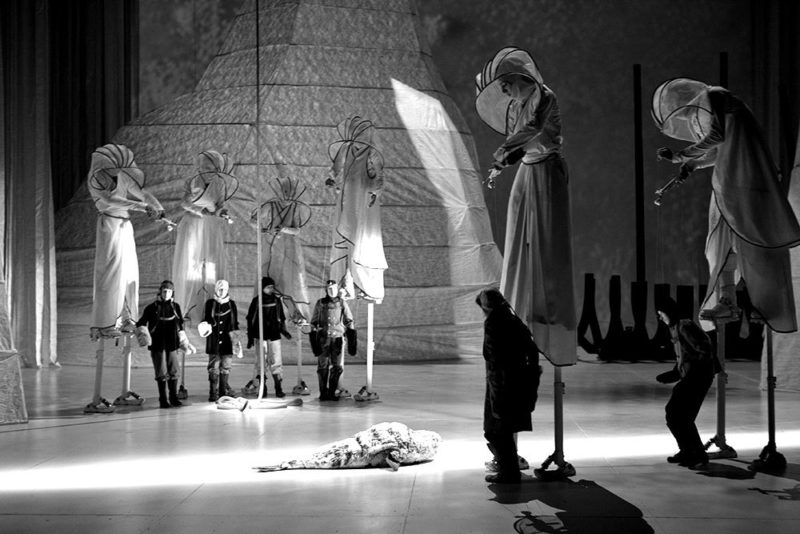
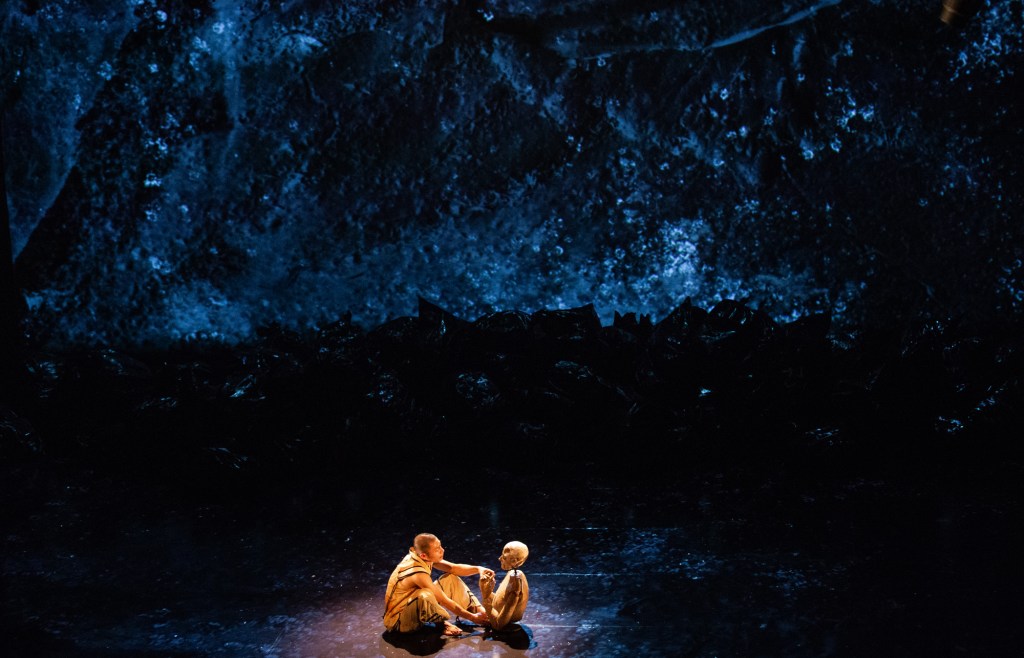
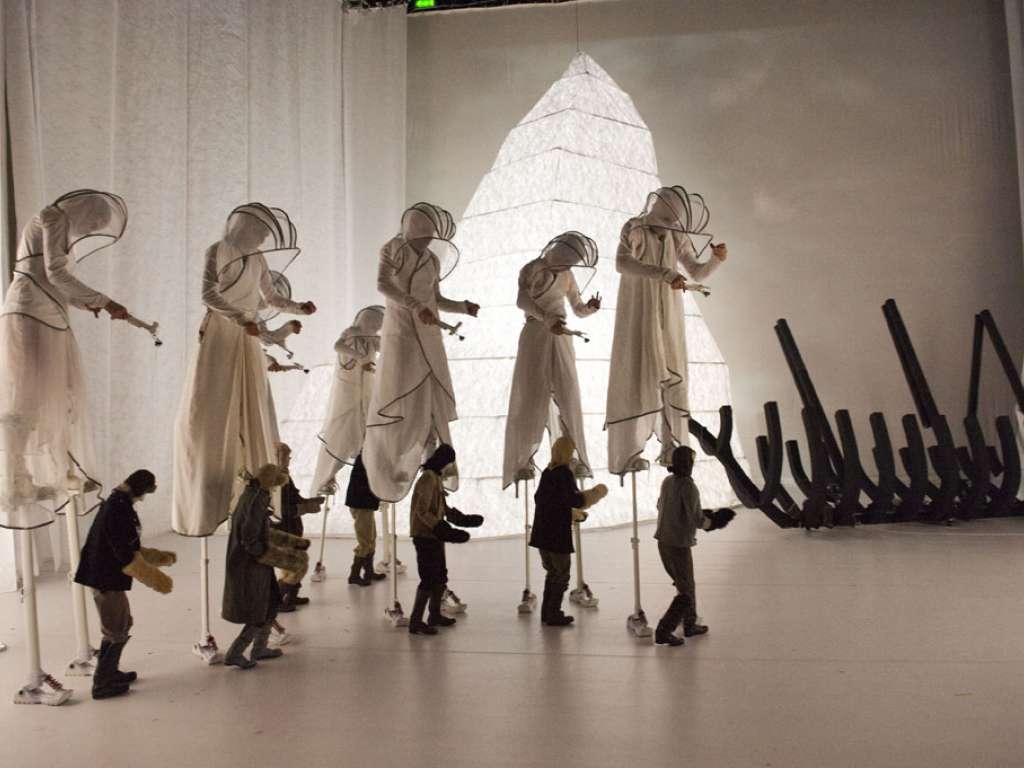
Inspired by Sir Ernest Shackleton’s harrowing expedition to Antarctica in 1914, Phantom Limb unites puppetry, dance, film, history, and photography with contemporary music to create a stunning vision of the great arctic continent—past, present, and future. Dim light plays across a lunar terrain dotted with icebergs. Shackleton’s crew, played by half-life-size puppets, struggles to survive in this vast landscape, putting into stark relief the power of endurance and camaraderie and the price of knowledge. With sound that combines the junkyard dog aesthetic of the band Skeleton Key playing live, a score recorded by the Kronos Quartet, and glacial field recordings, 69˚S. mines the inherently bittersweet and complex nature of the Shackleton experience and what the future may hold for this fragile environment.
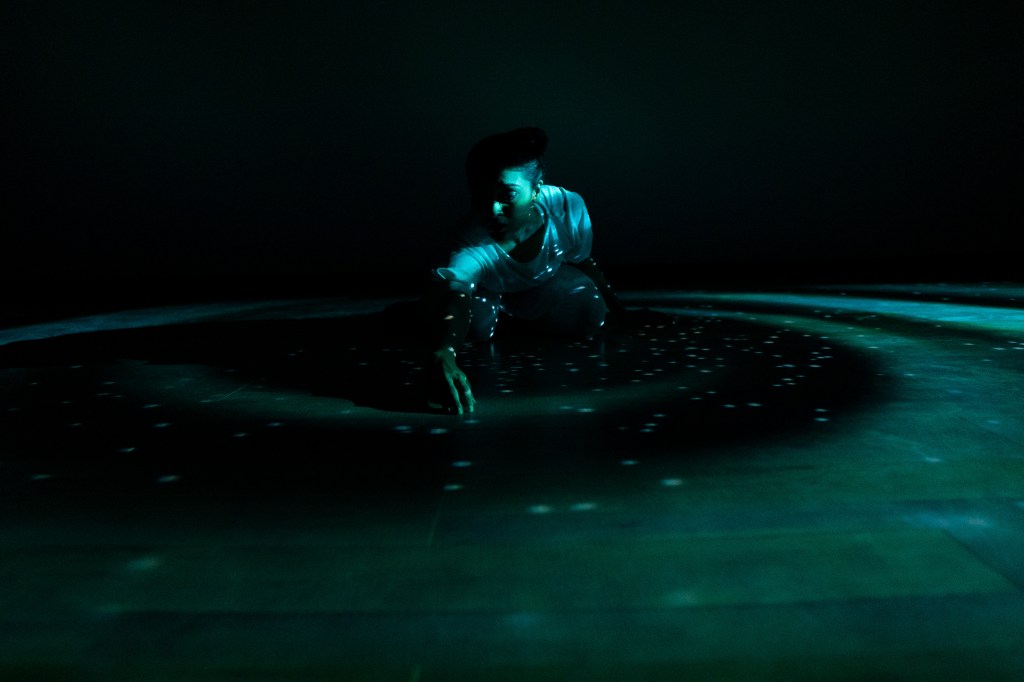
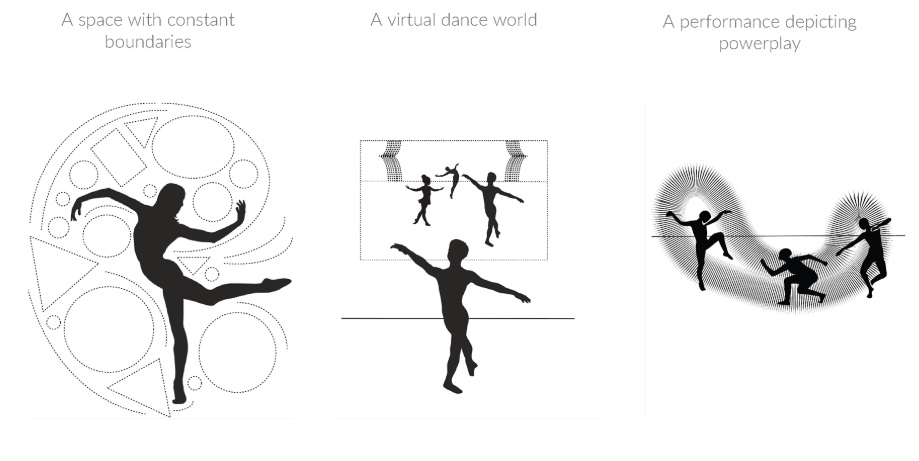
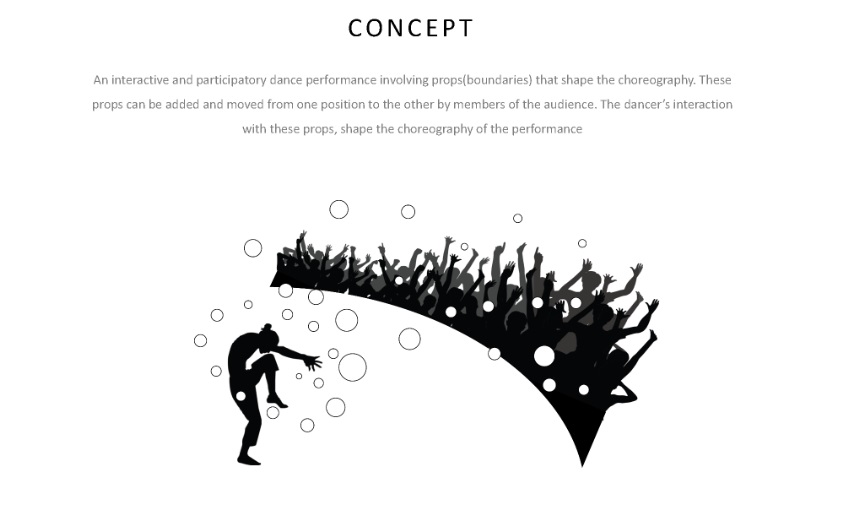
The project proposes an immersive and participatory performance by involving virtual ‘props’ that can interact with as well as move from one position to another, by the audience. By doing so, the audience can actively participate in shaping the dancer’s performance. The dance takes shape as the dancer improvizes and choreographs the performance- live, based on her interaction with these virtual props.
I am a Visual Artist and New Media Designer exploring different storytelling media. I love to dive into intense research that leads to innovative ways of creating immersive experiences, engaging stories or the birth of fictional characters. My work includes a conglomerate of New Media, Film & Video, User Experience Design, and Performance art, with a background in Fine arts. My experience, along with my yearning for knowledge across disciplines and love for learning new things has helped me encompass multiple perspectives. I am currently working on a self-initiated Cyber-Ethnographic Research project to understand the relationship between identity and anonymity.
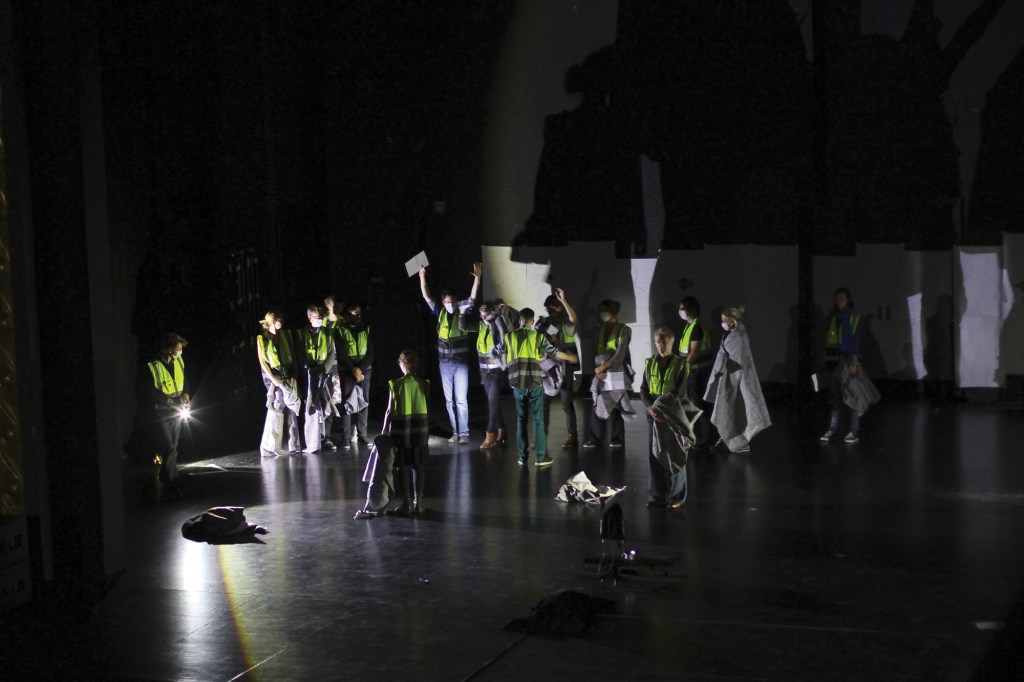
The Extra People is an immersive theater performance where 15 audience members sit and watch another 15 onstage. After half an hour, they find themselves replacing those onstage, only to discover that another 15 have appeared in the seats they’ve left behind. And so it continues, through the hours… The theater building—dormant, empty, and unlit save for your flashlight—seems unable to be deactivated. And within this strange process, wearing headphones and a “hi-viz” vest, you’re cast along with everyone else as some kind of extra. But an extra for what?
Starting with Rotozaza’s Etiquette (2007), Ant Hampton has created nine “autoteatro” works, including his recent Bessie-award-winning collaboration with Tim Etchells for library reading rooms (The Quiet Volume). The “protocol” behind autoteatro—automated processes (often audio) where instructions are given to audience members who find themselves experiencing the work from the inside—is now taken back to the theater building to operate on a larger scale.
Ant Hampton (British, b.1975 Fribourg, Switzerland) made his first show as Rotozaza in 1998, a project which ended up spanning performance, theater, installation, intervention and writing-based works, and often focusing on the use of instructions given to unrehearsed “guest” performers, both on stage and in public settings. Solo projects include ongoing experimentation around “live portraiture”: structured encounters with people from non-theatrical milieu.
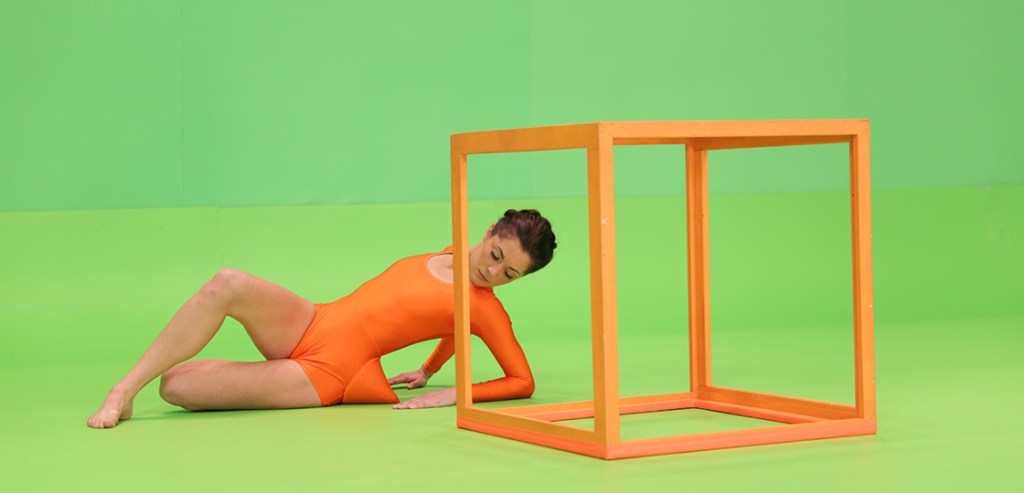
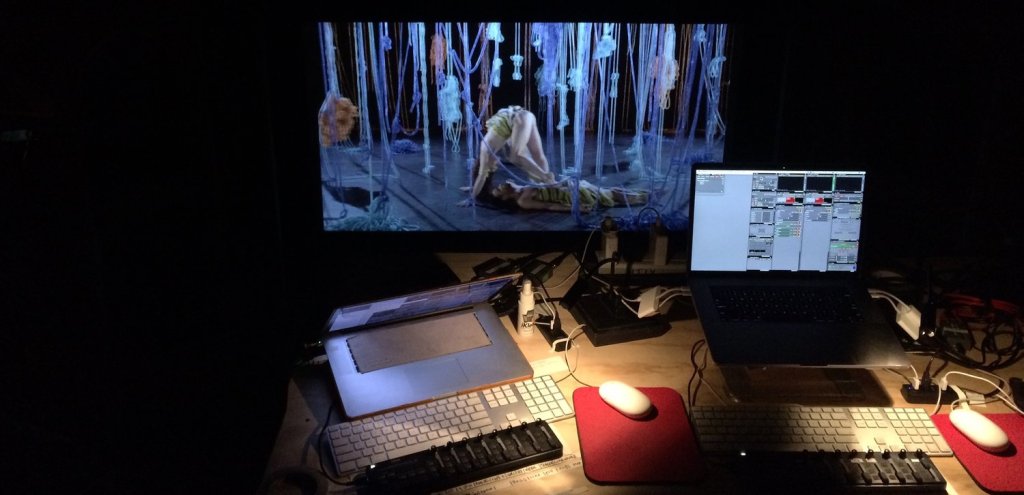
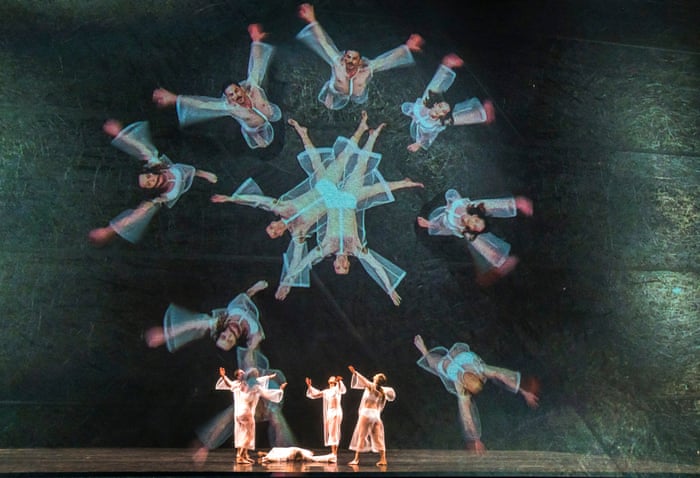
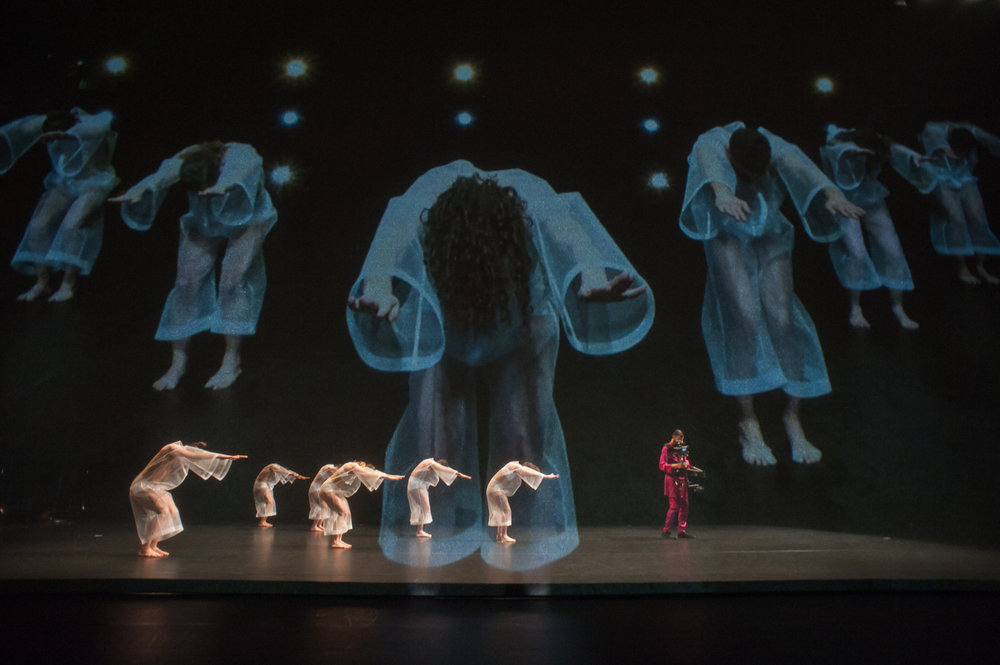
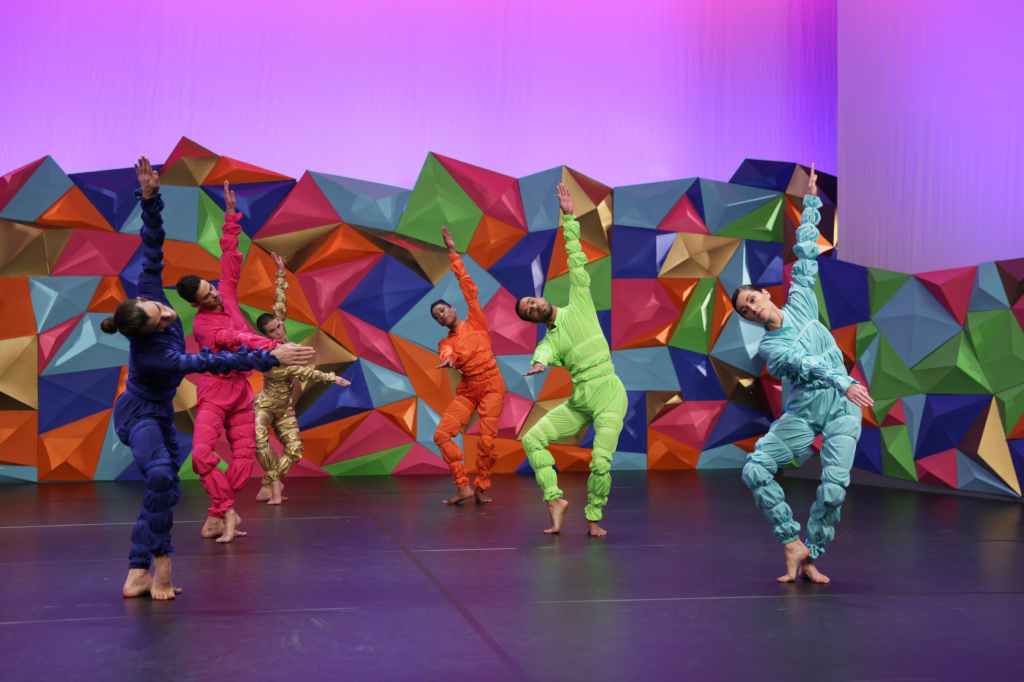
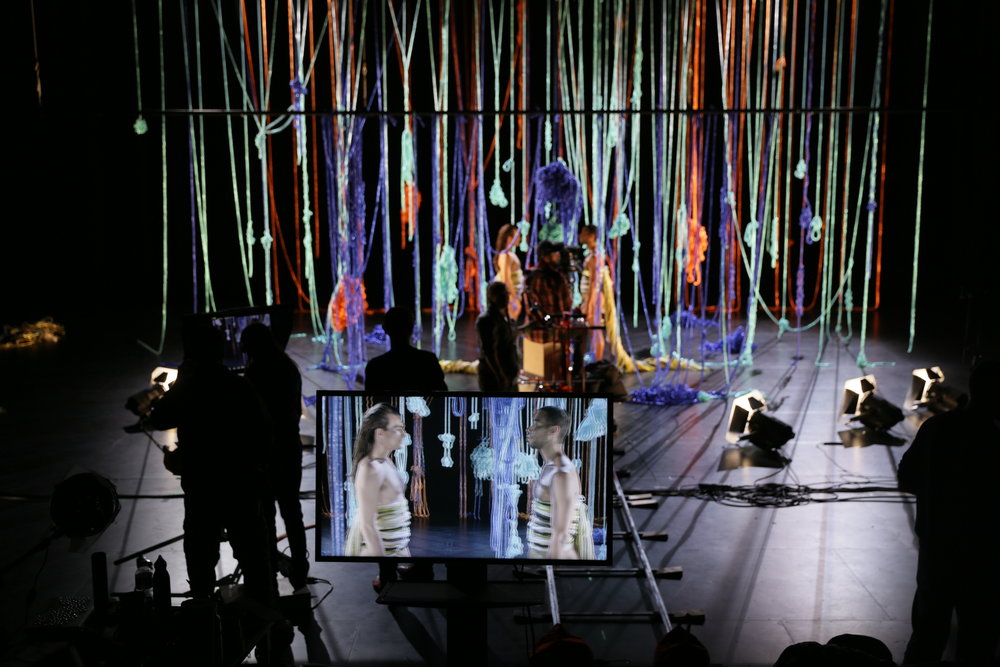
Tesseract, a full evening theater performance created in collaboration with Rashaun Mitchell + Silas Reiner, consisting of Act 1: a stereoscopic 3D dance film and Act 2: a live dance performance with 3 live cameras mixed by me using VDMX and projected on a scrim in front of 6 dancers.
Charles Atlas
This project began at EMPAC in Troy, NY and had its premiere at The Walker Art Center in Minneapolis and had a brief US tour ending at Brooklyn Academy of Music in December. This piece will be shown in Europe sometime in 2018.
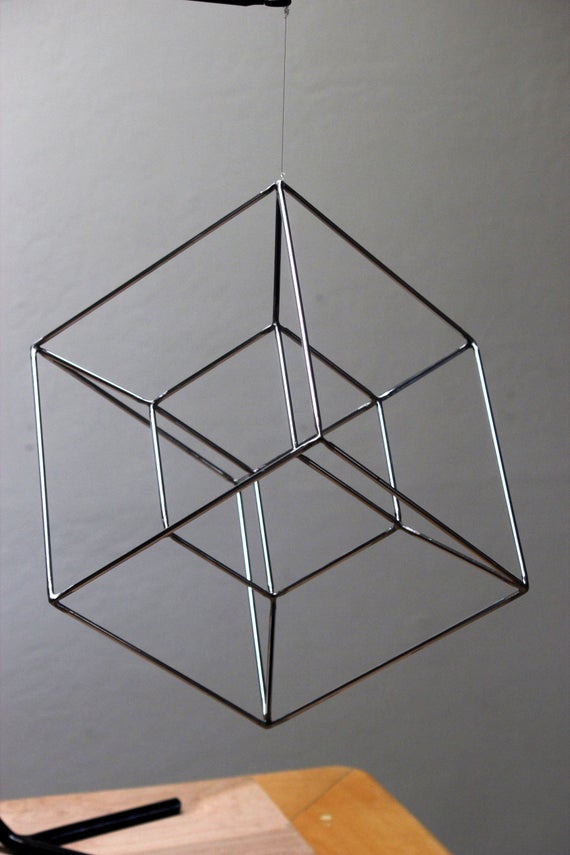
What is a “tesseract”?
“The hypercube or tesseract is described by moving the generating cube in the direction in which the fourth dimension extends.”
Robert T. Browne, The Mystery of Space
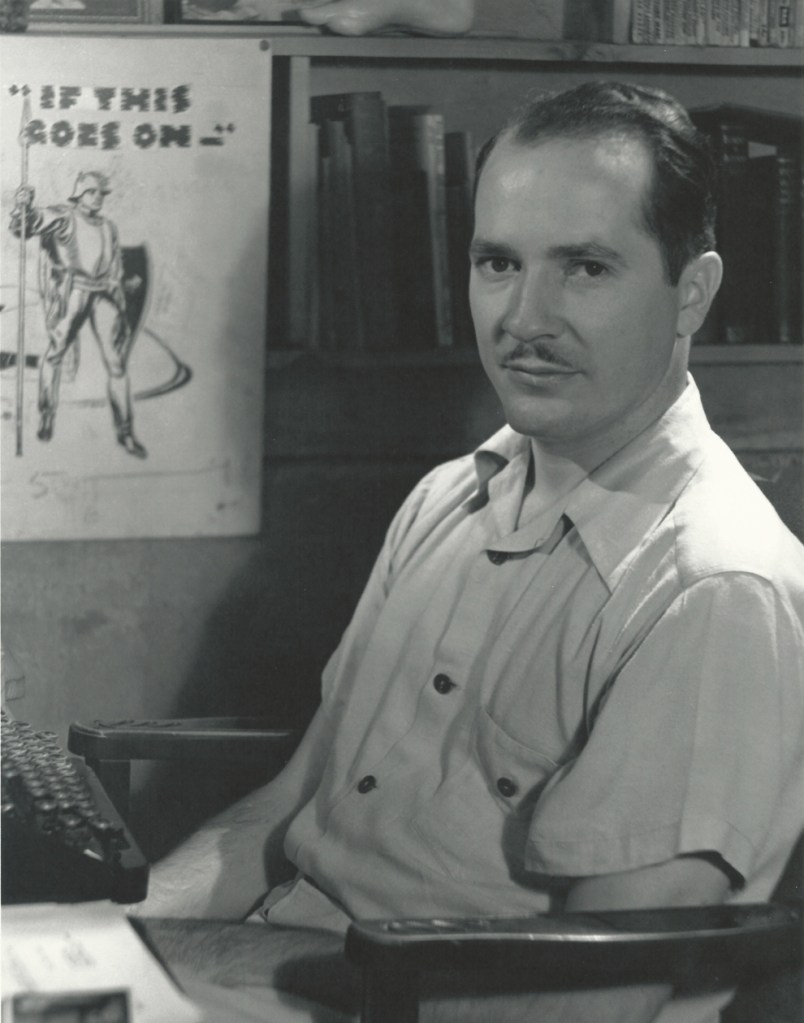
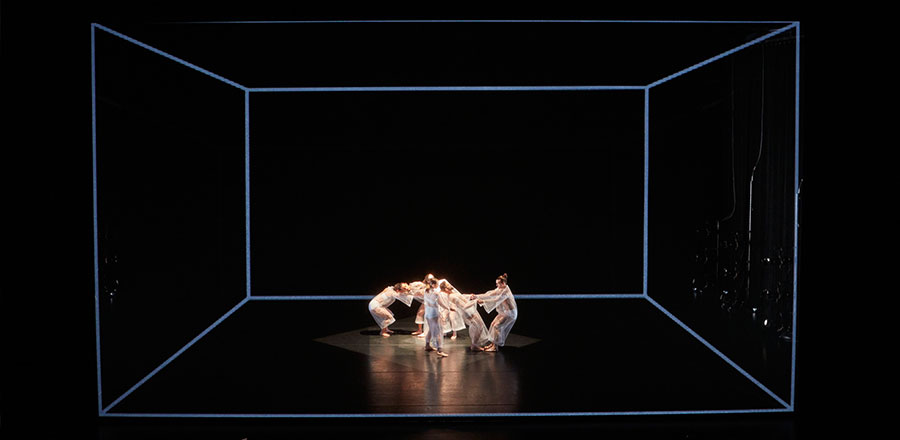
Robert A. Heinlein’s 1941 novella And He Built a Crooked House describes a California architect who designs a house based on a four-dimensional cube, a tesseract, comprised of eight cubed rooms.Unbeknownst to him or his clients, however,an earthquake has caused the invisible fourth dimension to shift prior to their first tour through the building. The tesseract house then takes its new inhabitants on a disorienting journey through multiple rooms, perspectives, and timescales that ends with another earthquake-induced slip of space/time as they are dropped with a jolt into the desert landscape of Joshua Tree National Park.
Charles Atlas, Rashaun Mitchell, and Silas Riener’s Tesseract charts a similar course: worlds shift and flip, and dancers spin and fall across unstable planes.
Parallel timescales are reflected back on themselves, and emotions run high as speed, scale, and gravity refuse to remain constant.
This journey starts from the perspective of 3D stereoscopic vision and progresses to the performative dimensionality of the theater stage. Although the artists had previously worked together with Merce Cunningham, Tesseract marks their first independent collaboration, and like the architect’s project in Heinlein’s novella, this ambitious work is conceived of as a chance to explore the potential of imagined architectures that can drift from cinema screen to proscenium stage.
The word tesseract is derived from the Greek tessares, or four, and aktis, a ray of light. Atlas, Mitchell, and Riener’s Tesseract alludes not only to the romance of science fiction’s beaming rays, but also to light as the principal element of cinematography, projection, and theatrical technique. The artists combine aktis with the fourth dimension, usually understood as time. However, there is an extra-dimensionality here that is revealed through the interaction of the real and the imaged, the live and the recorded.














 Time out of Time: