Can We Use Golden Ratio as Choreographic Inspiration?

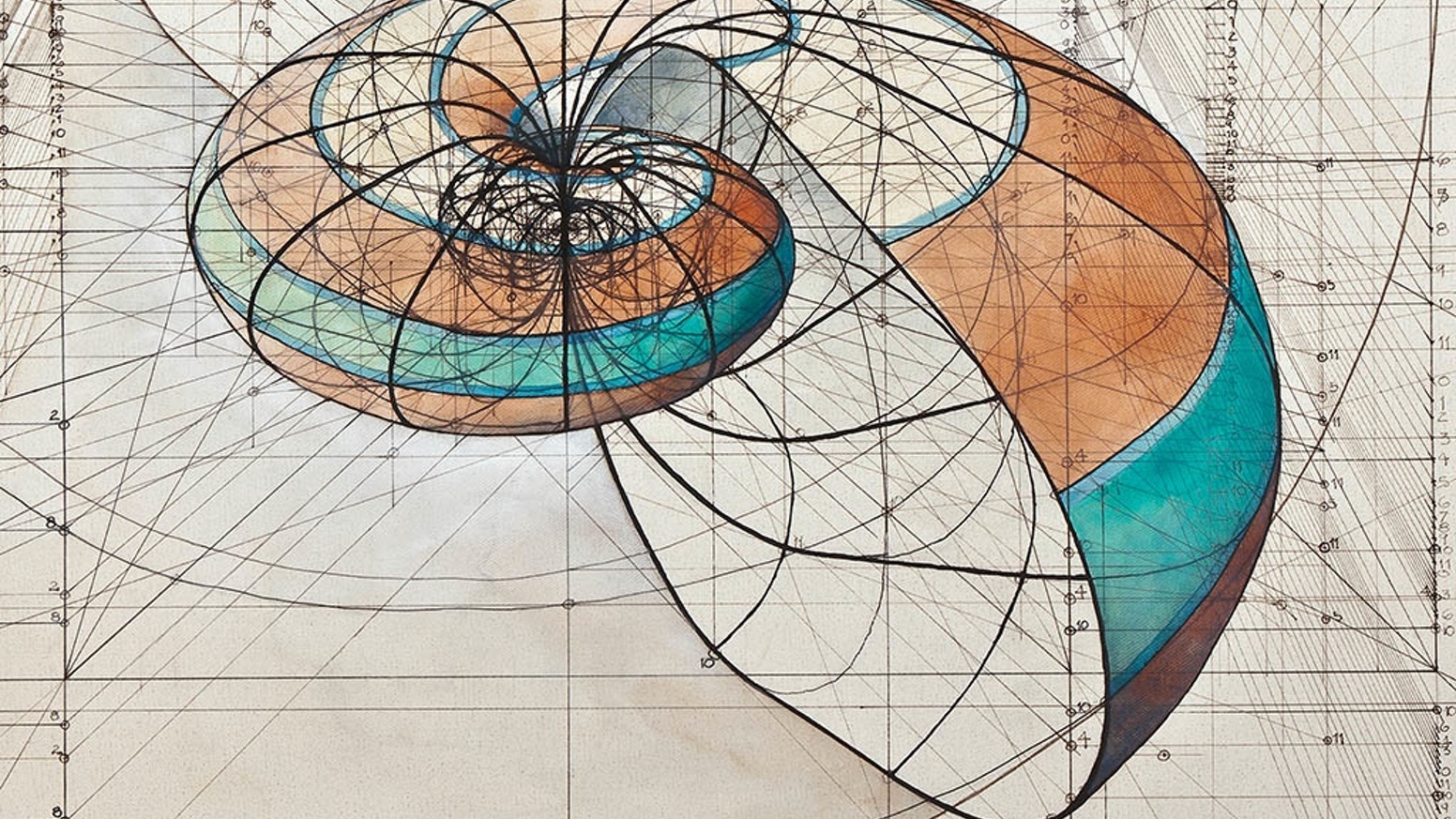
As a mathematical and natural phenomenon, the Golden Ratio has links with the Fibonacci sequence, the Stradivarius Violin, and the Vitruvian Man. The golden ratio has been widely used throughout the visual art, architecture, and music fields, by Mozart and Le Corbusier, among others, however it is rarely utilized within the field of dance.
The relationship of the highly subjective field of dance and the pragmatic field of mathematics has not yet fully been explored.

The mean and extreme ratio, later named the Golden Ratio, was first clearly defined mathematically circa 300 BCE by Euclid of Alexandria.

In Book VI of his Elements, Euclid describes the ratio:

A straight line is said to have been cut in extreme and mean ratio when, as the whole line is to the greater segment, so is the greater to the less.
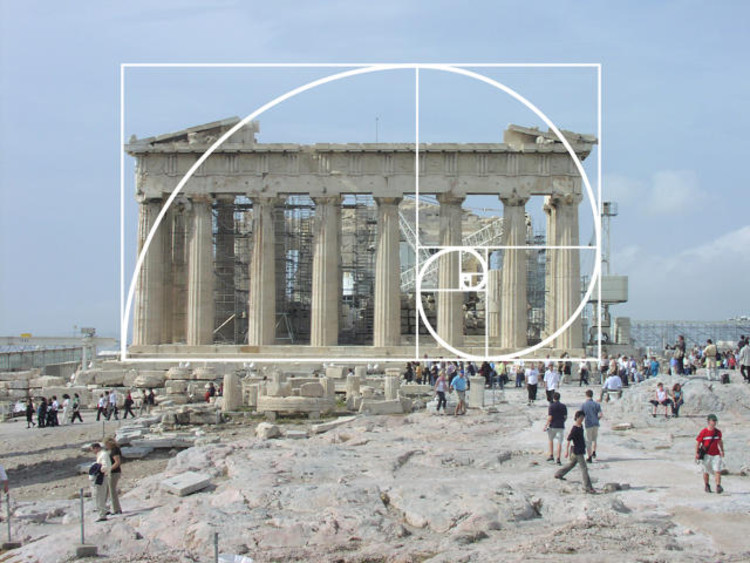
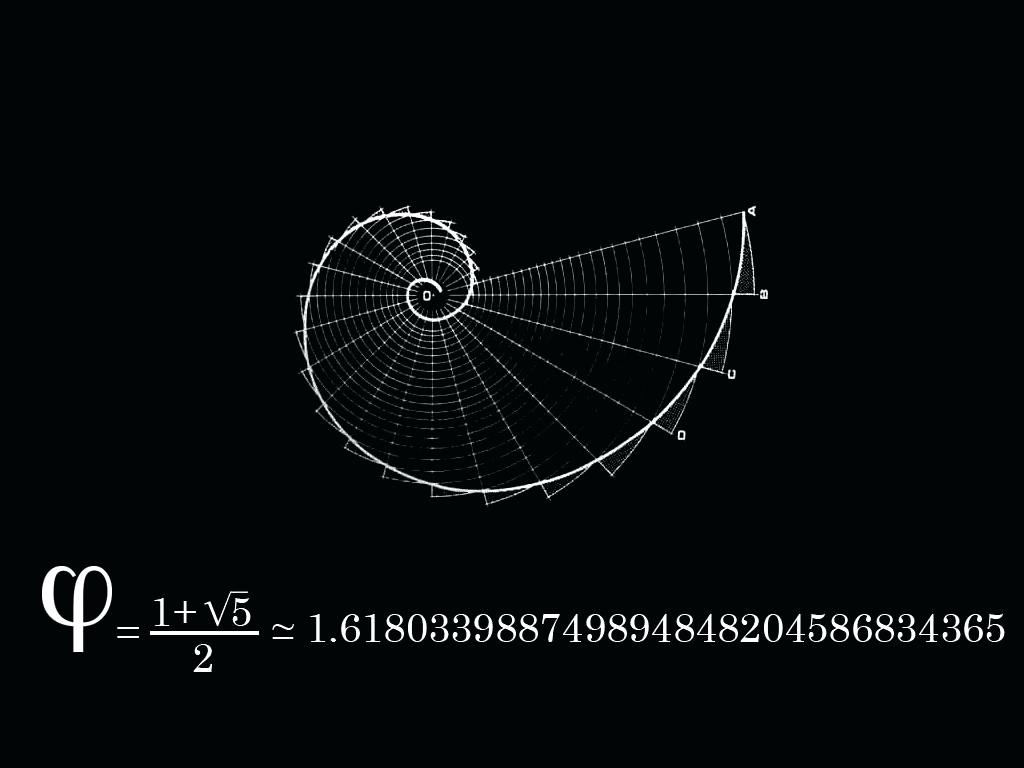
In the beginning of the 20th Century, Mark Barr termed the Golden Ratio, phi, after the Greek architect responsible for the many Parthenon sculptures such as “Athena Parthenos”, Phidias 2 6. Use of phi, or the Greek letters, Φ and φ, is now commonly used as a reference point when discussing the properties of the Golden Ratio.
There have been connections forming between dance and mathematics education as well as mathematics and dance definition which have furthered both fields.

Why the Golden Ratio? The Golden Ratio is considered to be the “mathematical concept which is at the centre of … discussion,” by many mathematicians and math historians alike.

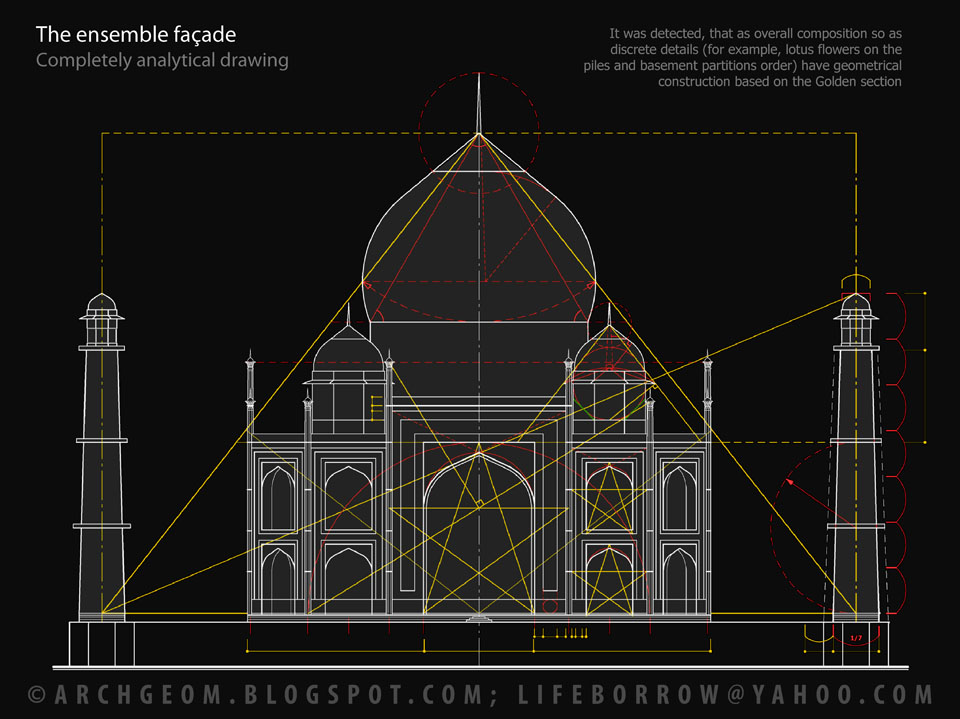
The Golden Ratio, while being a relatively simple mathematical concept, can be linked to numerous natural phenomena and artistic expressions throughout history: from the number and arrangement of petals on flowers to the beautiful works of music composed by Mozart; from the structures of the galaxies to the evolution of deep sea creatures; from the design of the soccer ball to the architecture of the Taj Mahal. Golden Ratio can be seen in a wide variety of natural and artistic mediums internationally and throughout history.
The Golden Ratio as a Series of Numbers

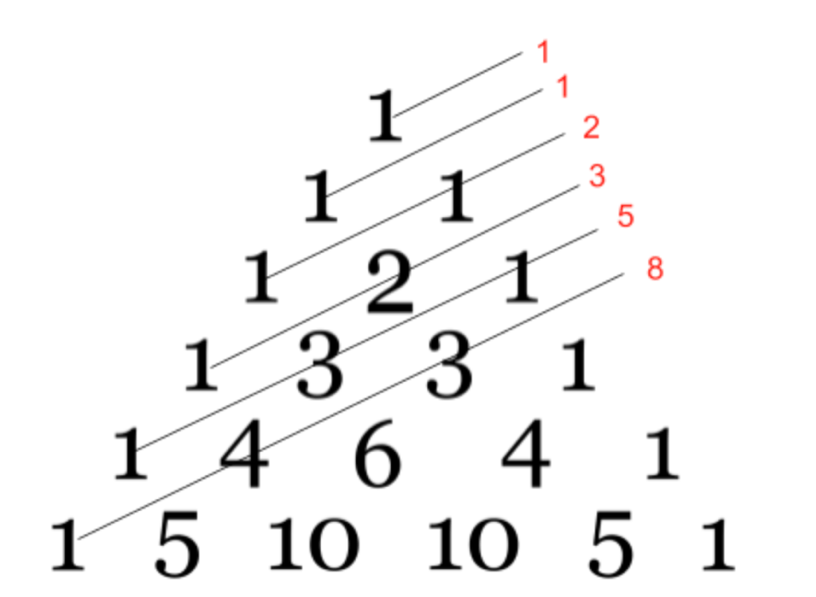
The sequence 1, 1, 2, 3, 5, 8, 13, 21, 34, 55, 89, 144, 233, . . . , in which each term (starting with the third) is equal to the sum of two preceding terms, was appropriately dubbed the Fibonacci sequence in the nineteenth century, by the French mathematician Edouard Lucas (1842-1891).
Golden Ratio in Music

Mozart, one of the most timeless and well-known composers in history, was known to show very high interest in mathematics. There are even math equations jotted down in the margins of many of his compositions.
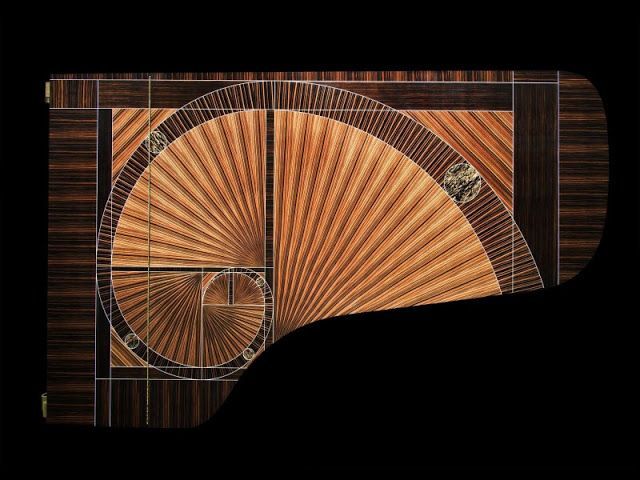
The Golden Ratio can be mathematically defined as a number, a ratio, a series of numbers, and many other forms. Often related to nature and works of art, the Golden Ratio will also be defined by these occurrences. The arrangement of flower petals’ growth and the design of the pentagram are a few of the natural and artistic expressions of the Golden Ratio.

The process of relating the mathematical, natural, and artistic expressions of the Golden Ratio is comprised of three phases:

  • Utilizing the four main components of the Laban Movement Analysis – Body, Space, Effort, and Shape – the mathematical expressions can be related to movement constraints.
  • Relating the natural expressions of the Golden Ratio into choreographic structure.
  • By relating the existing artistic expressions of the Golden Ratio to choreographic methods to create choreographic ideas.
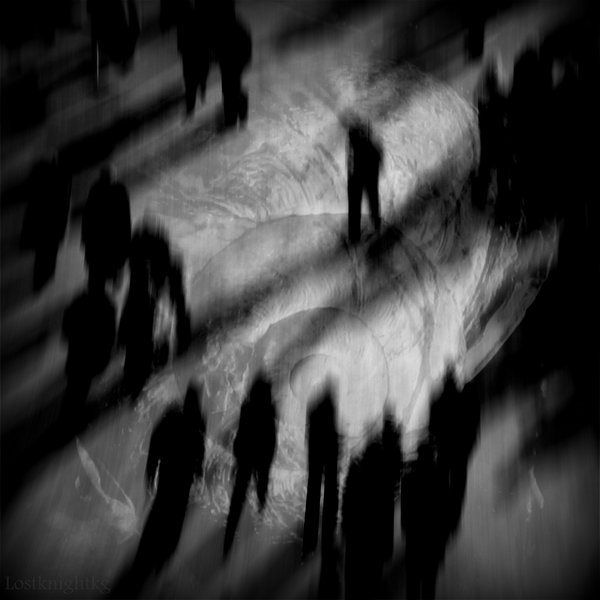
Reference: https://www.charlesgilchrist.com/
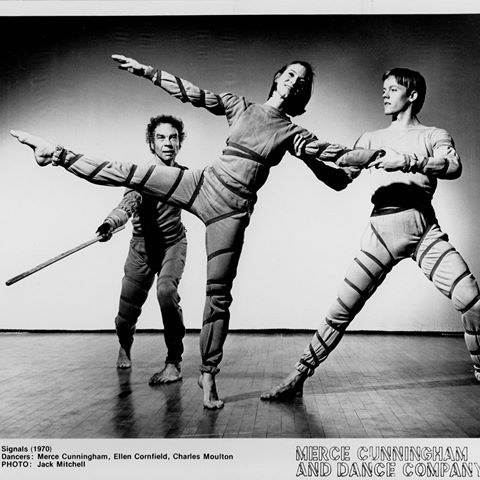
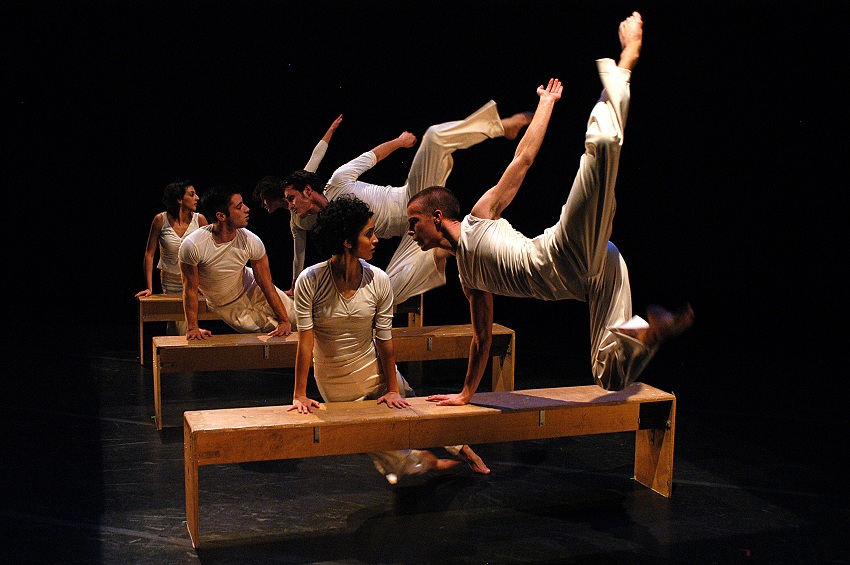
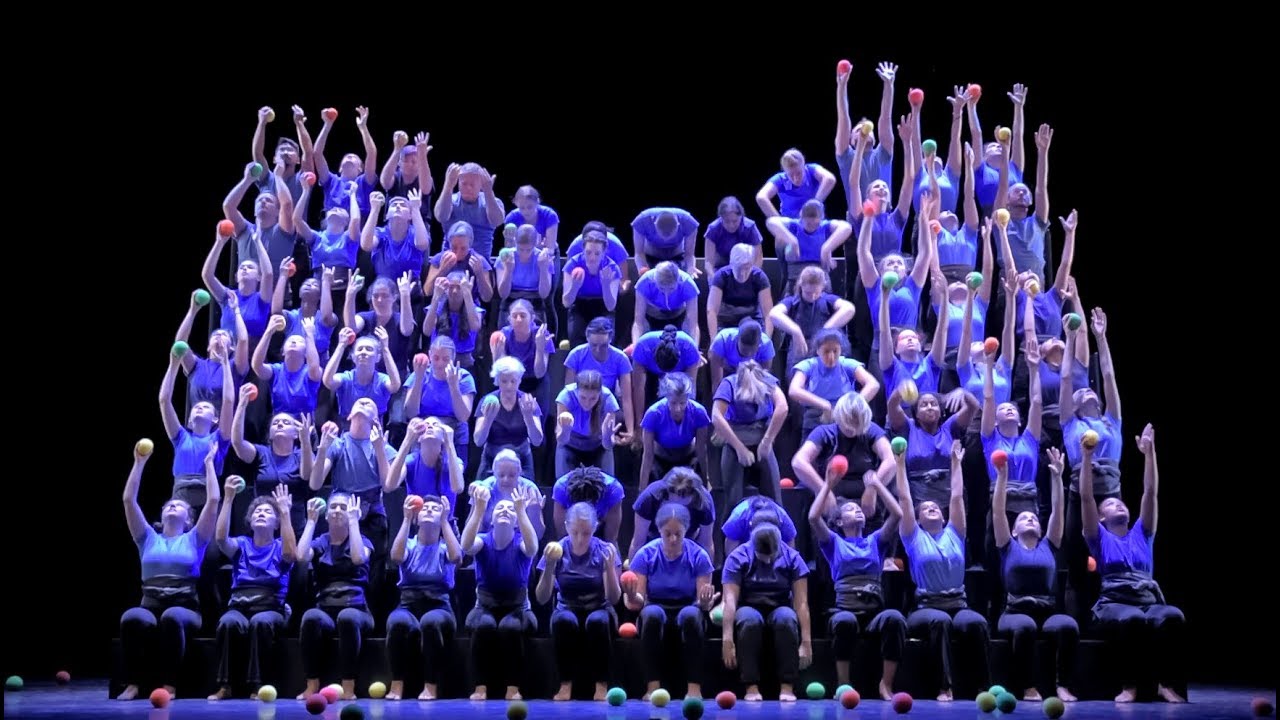
Dance and Ball Passing

60 Person Ball Passing

48 Person Ball Passing

9 Person Ball Passing

Choreographer: Charles Moulton

Moulton is best known for his work “Precision Ball Passing,” which has been heralded as a landmark in the development of post-modern dance. Originally created for three performers in 1979, additional versions have been made for nine, 18, 25, 48, 60 and 72 performers. Precision Ball Passing has been performed around the world on a wide variety of dance companies, schools.

https://en.wikipedia.org/wiki/Charles_Moulton_(choreographer)

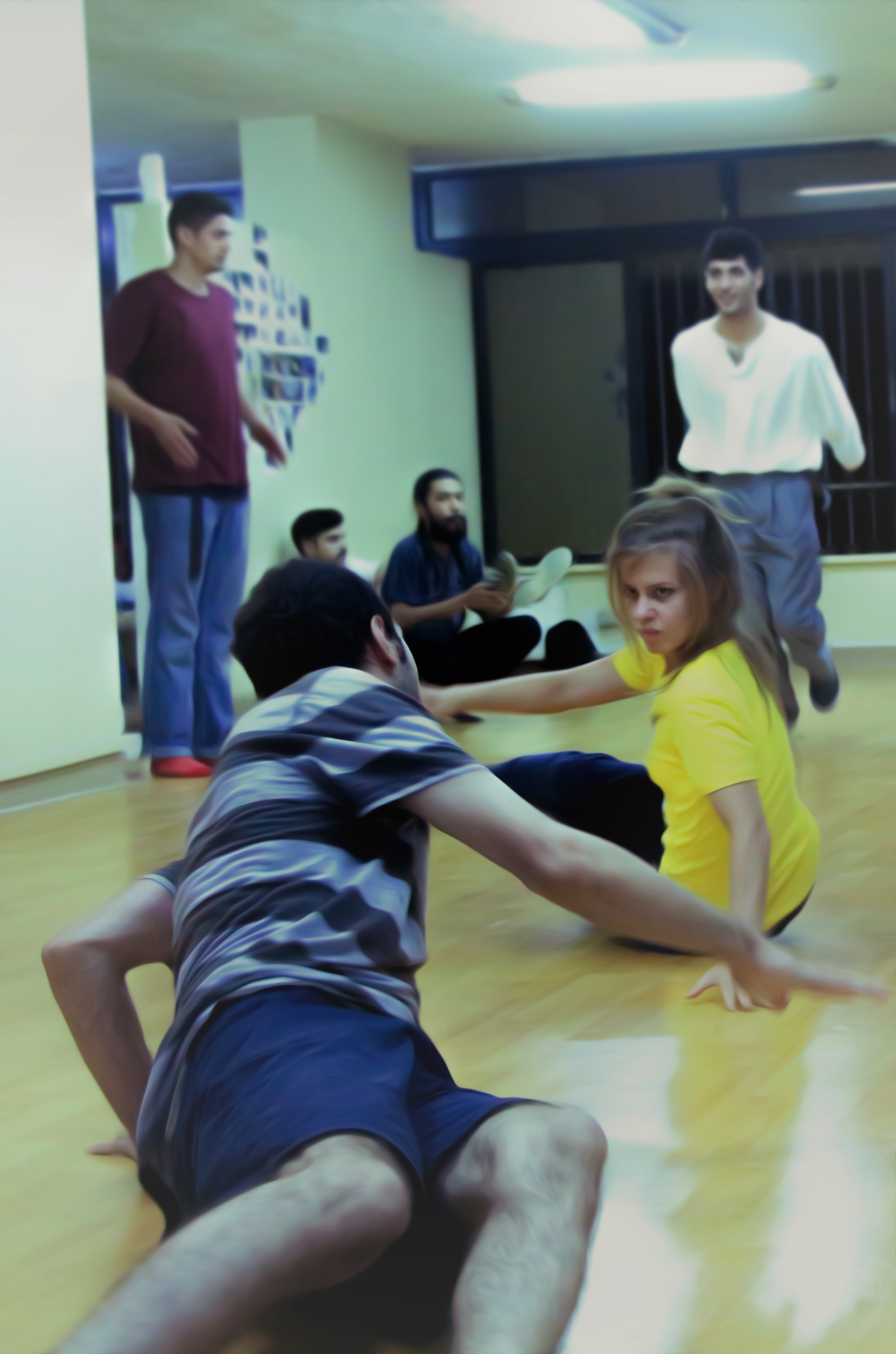
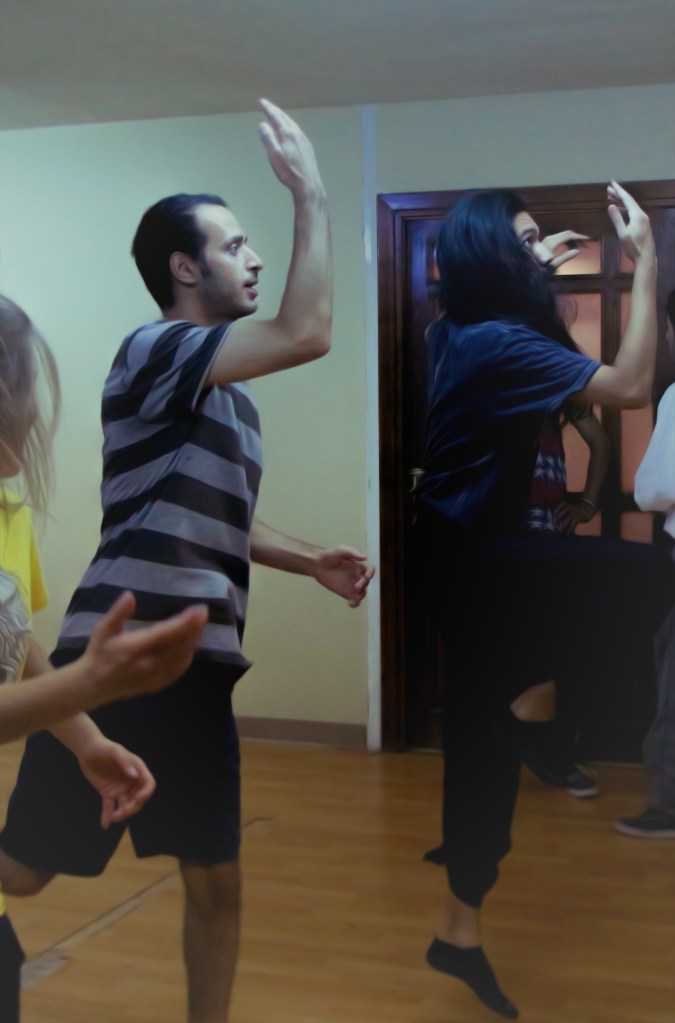
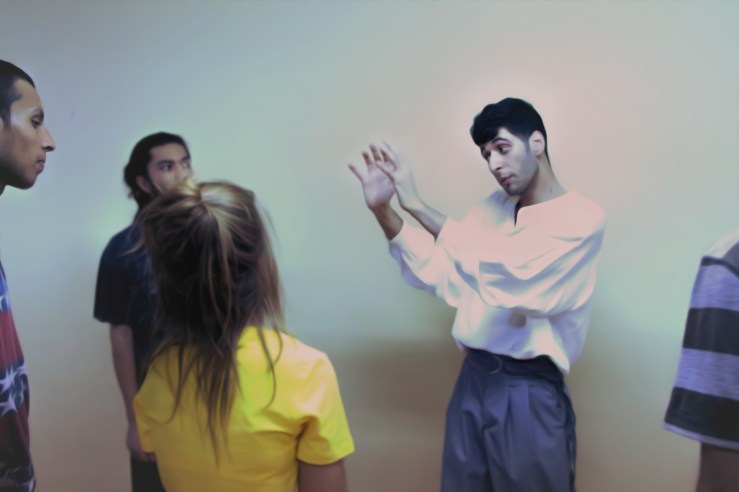
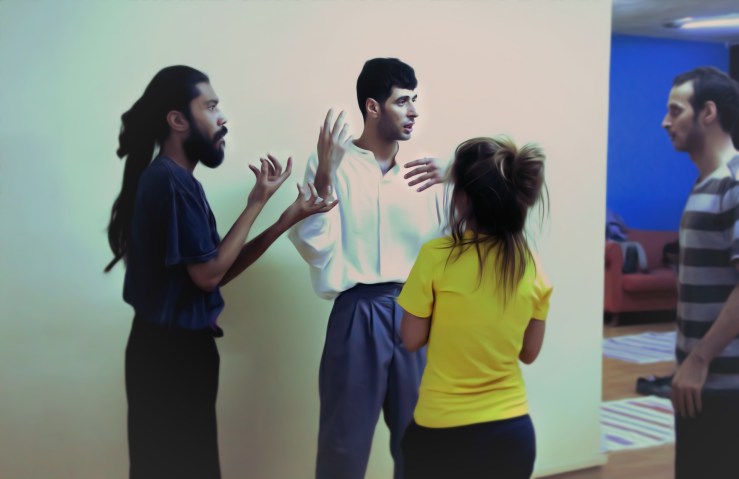
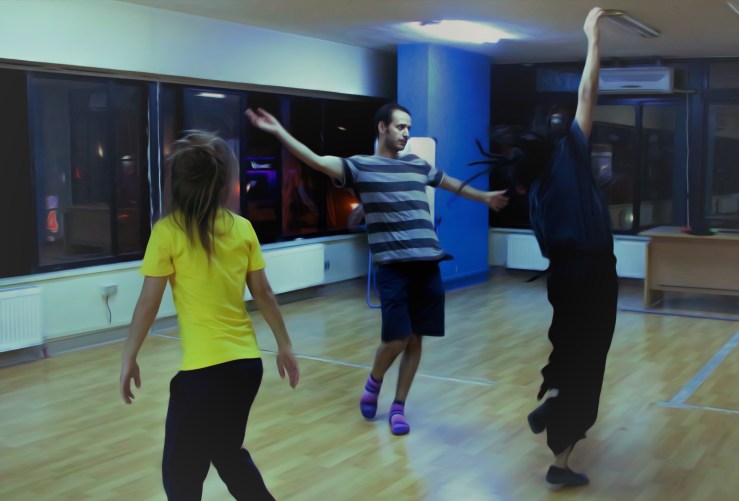
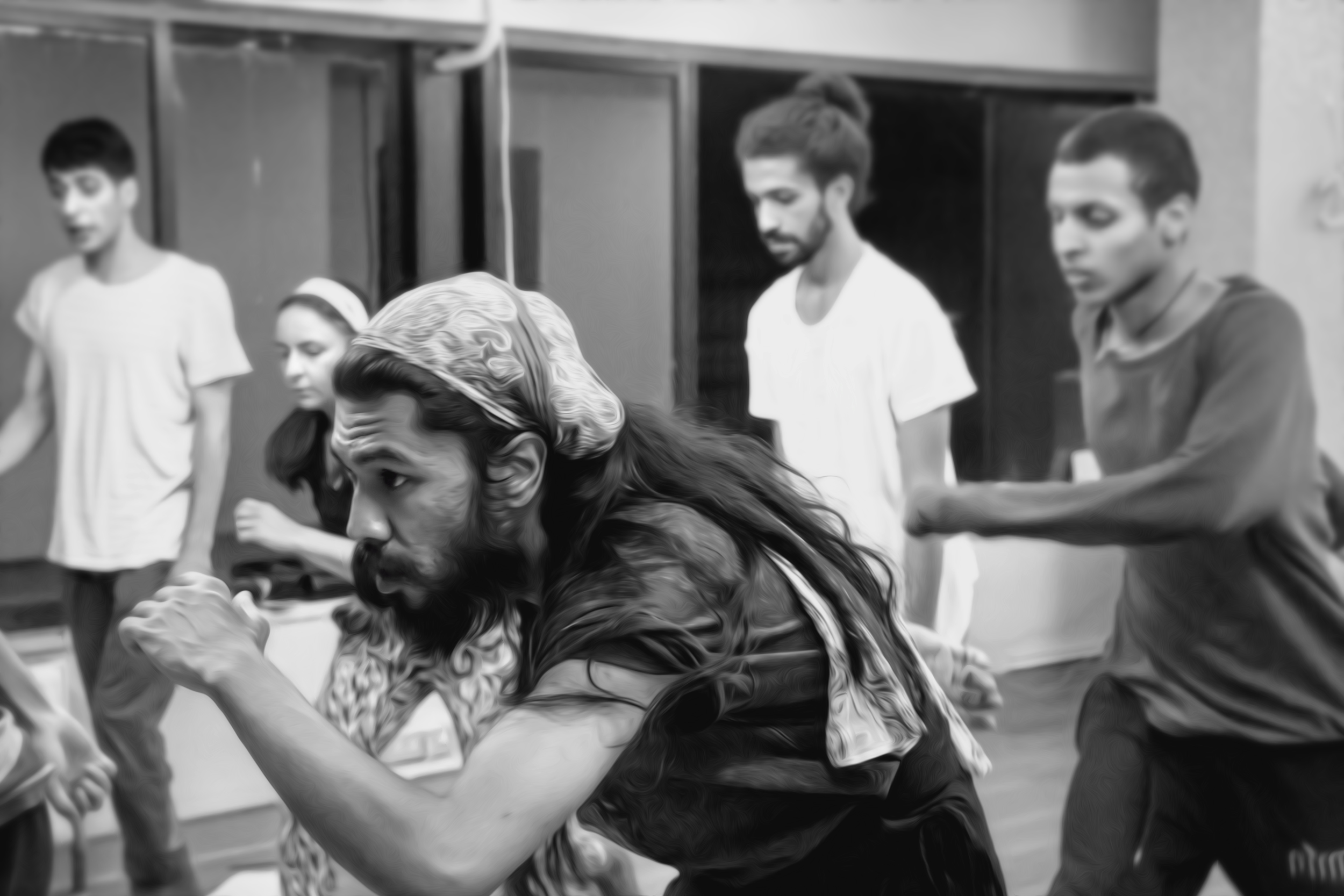
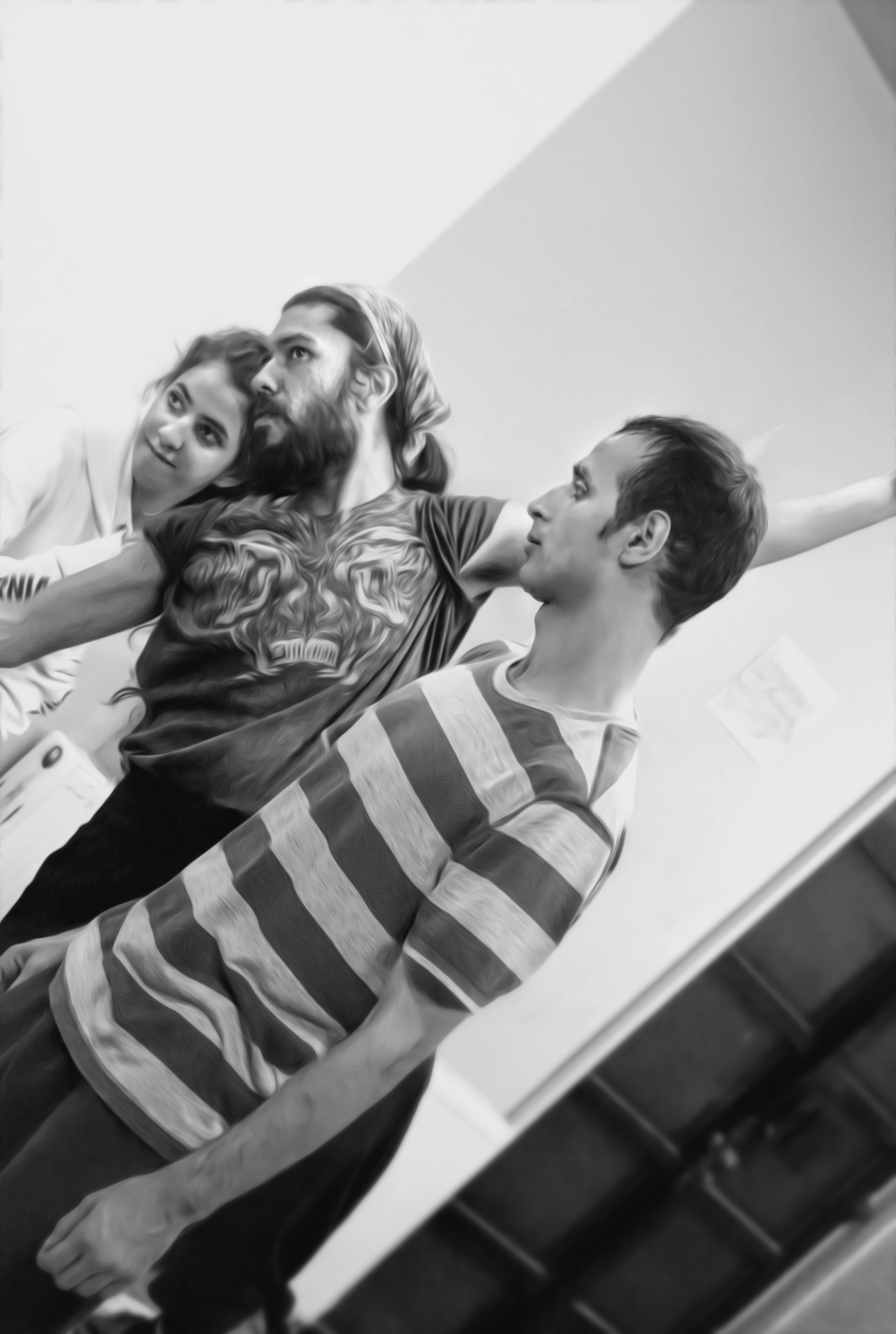
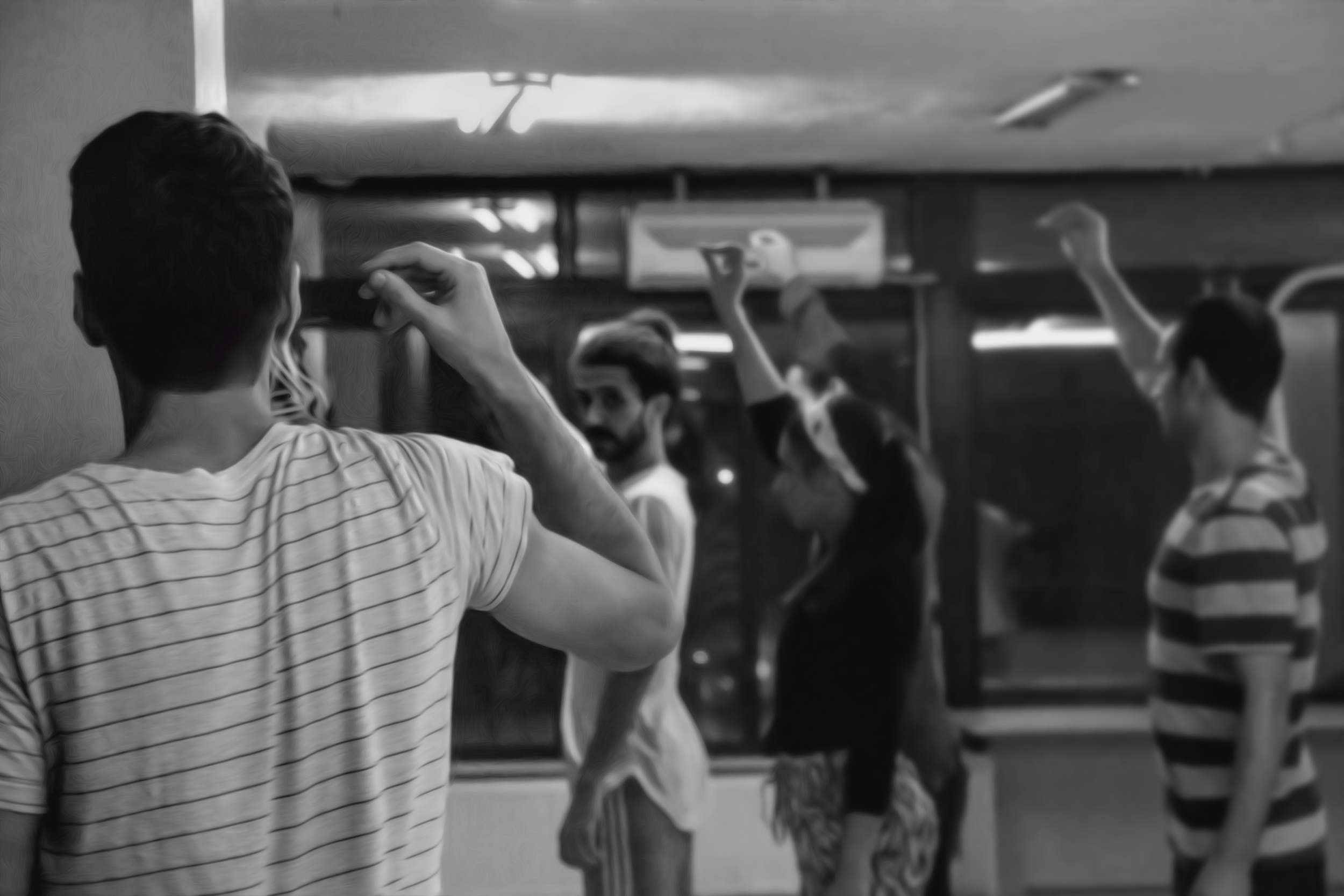
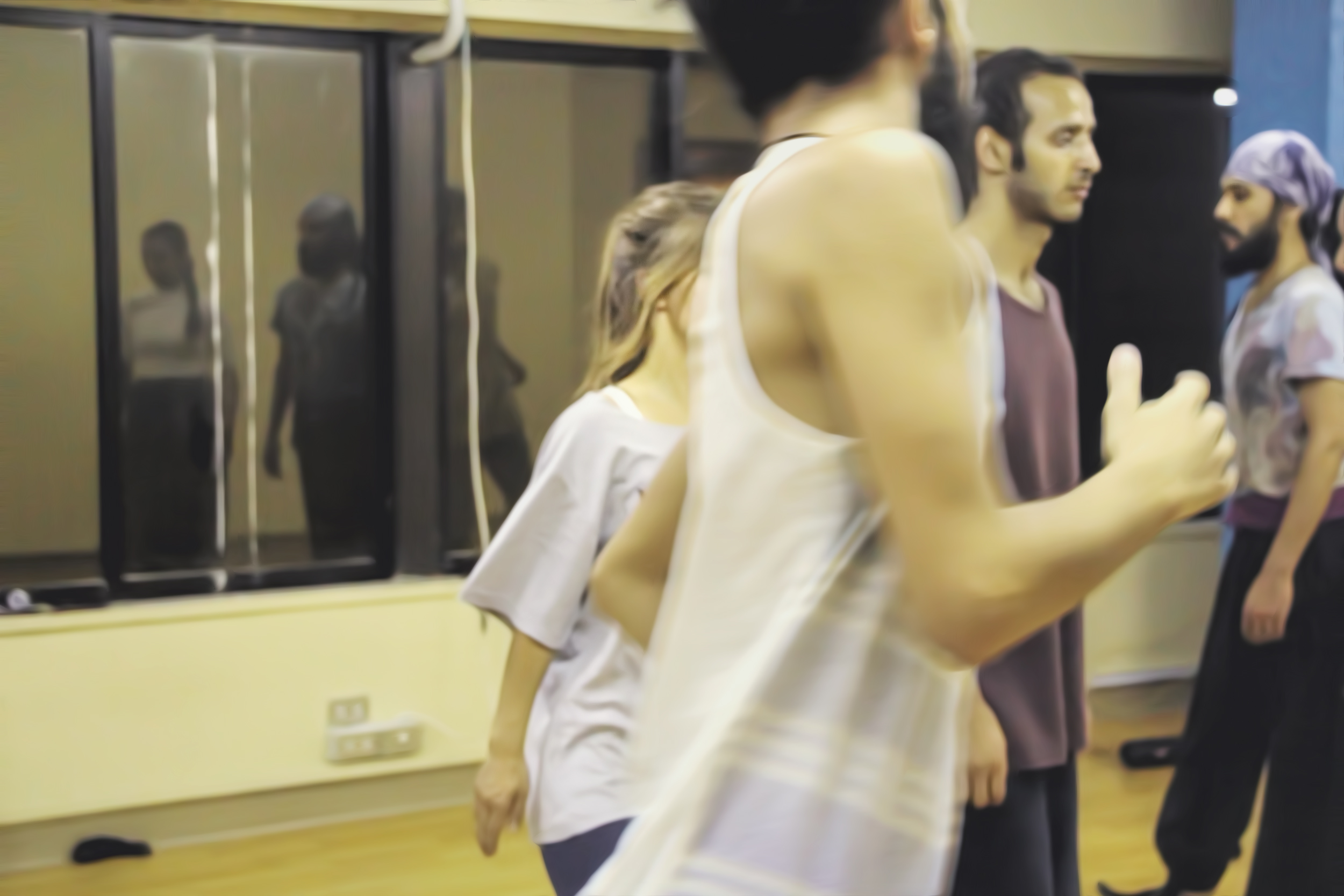
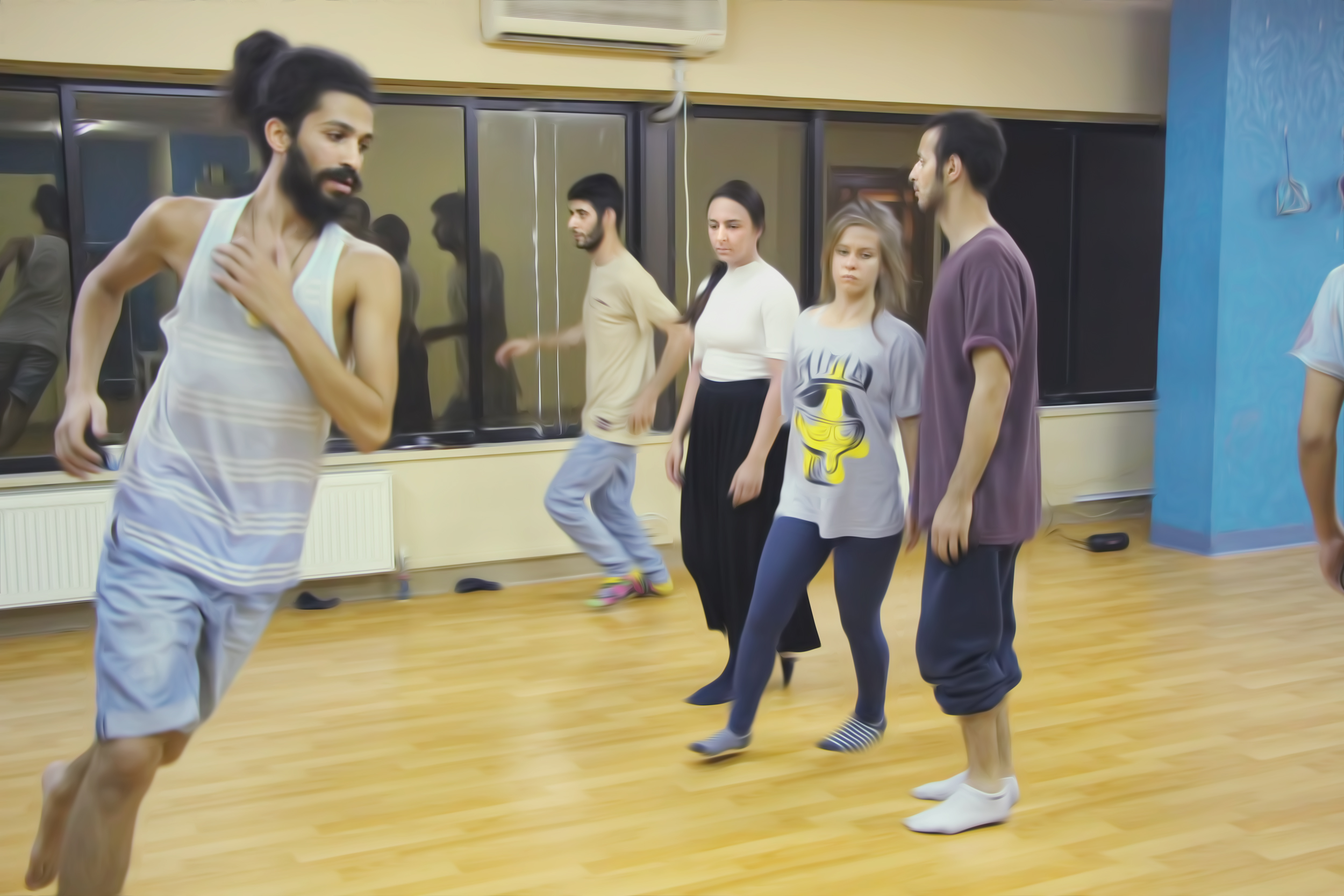
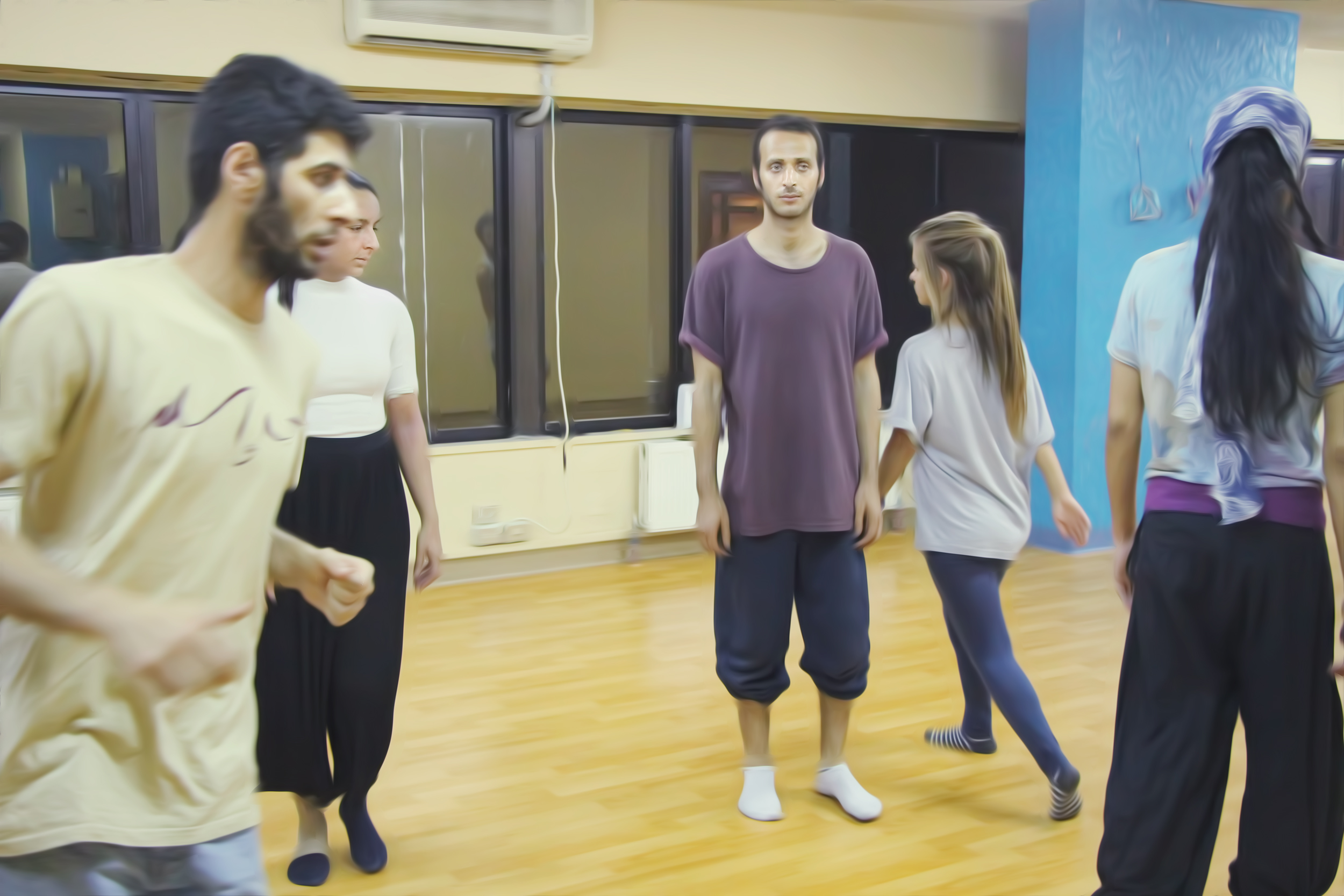
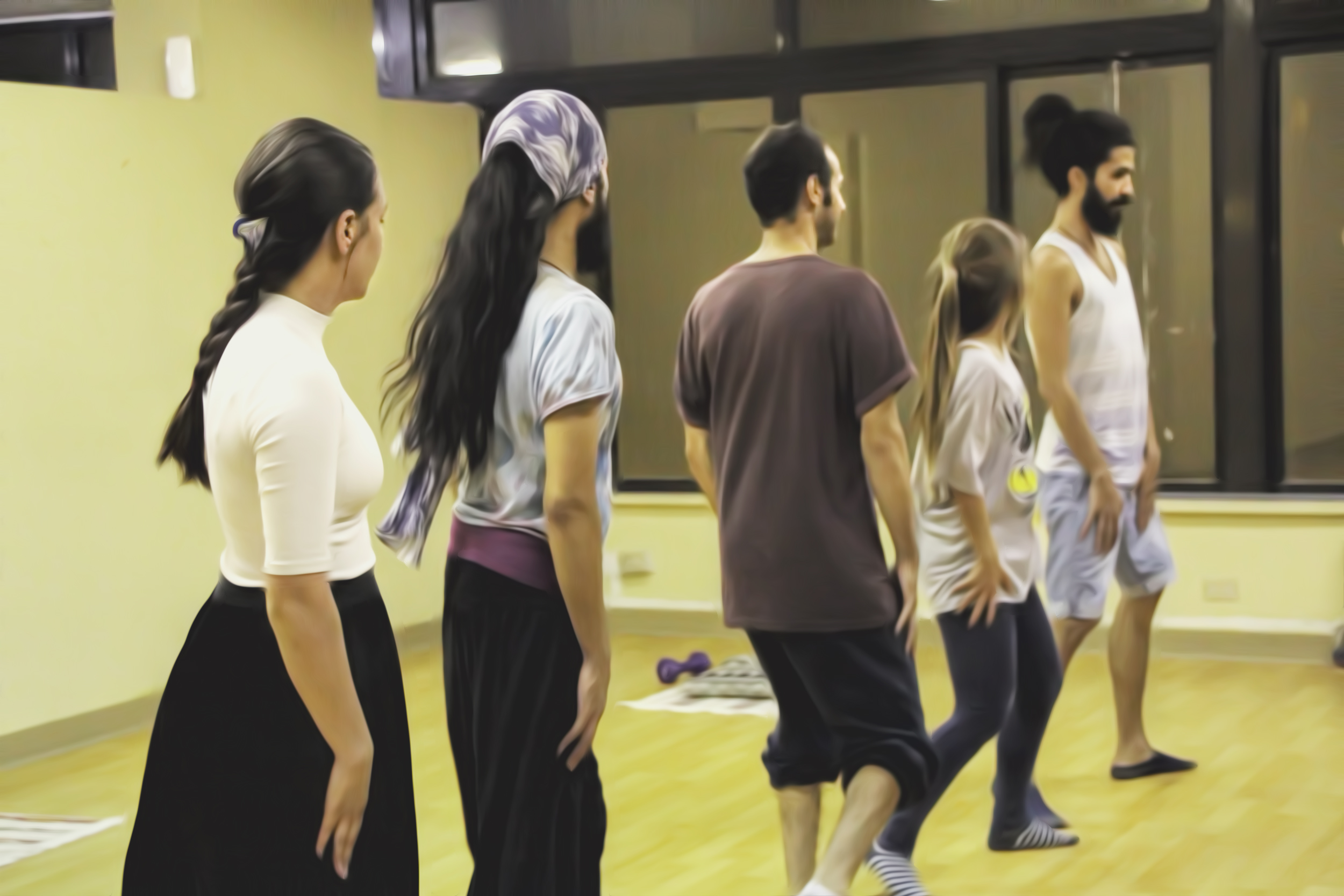
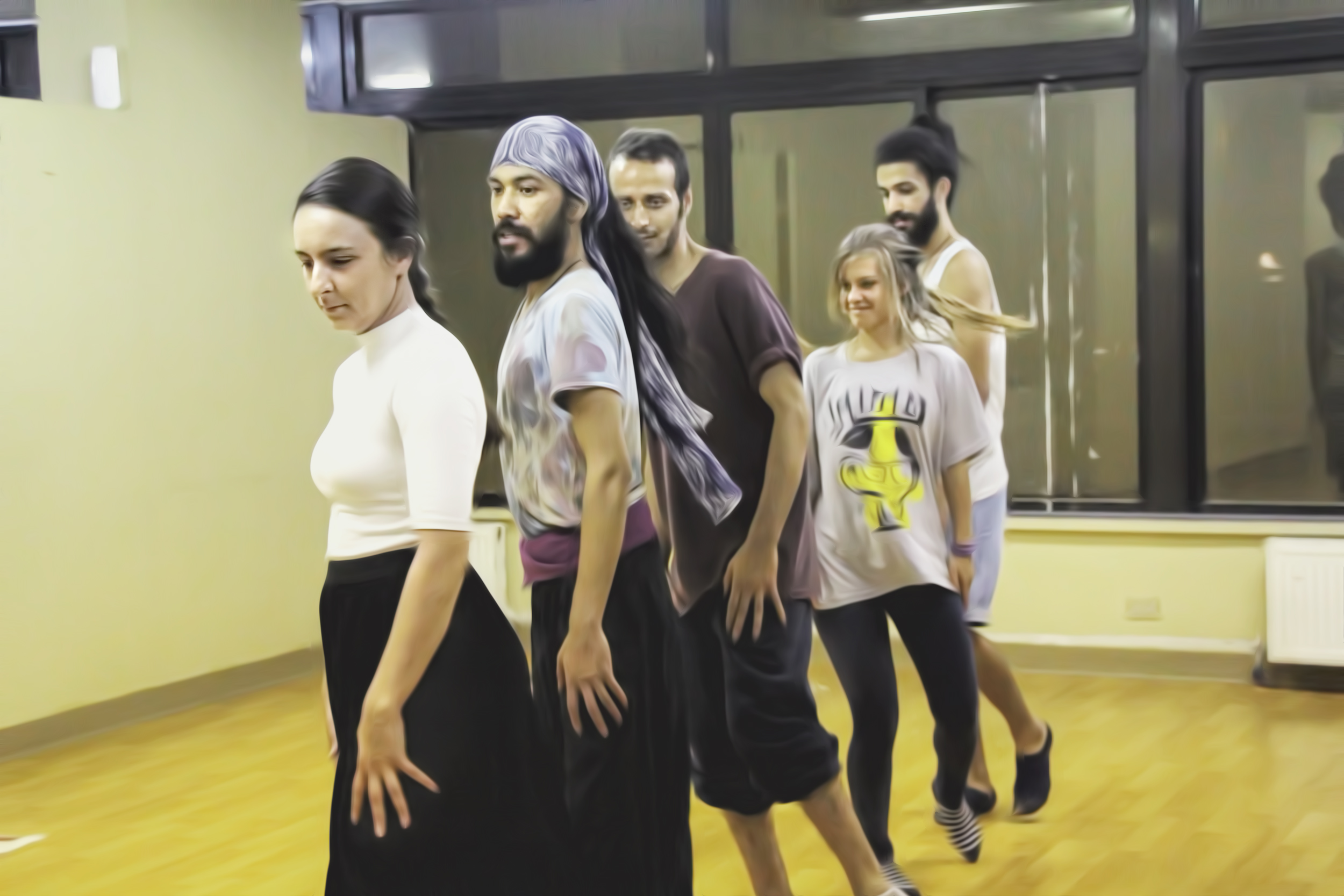
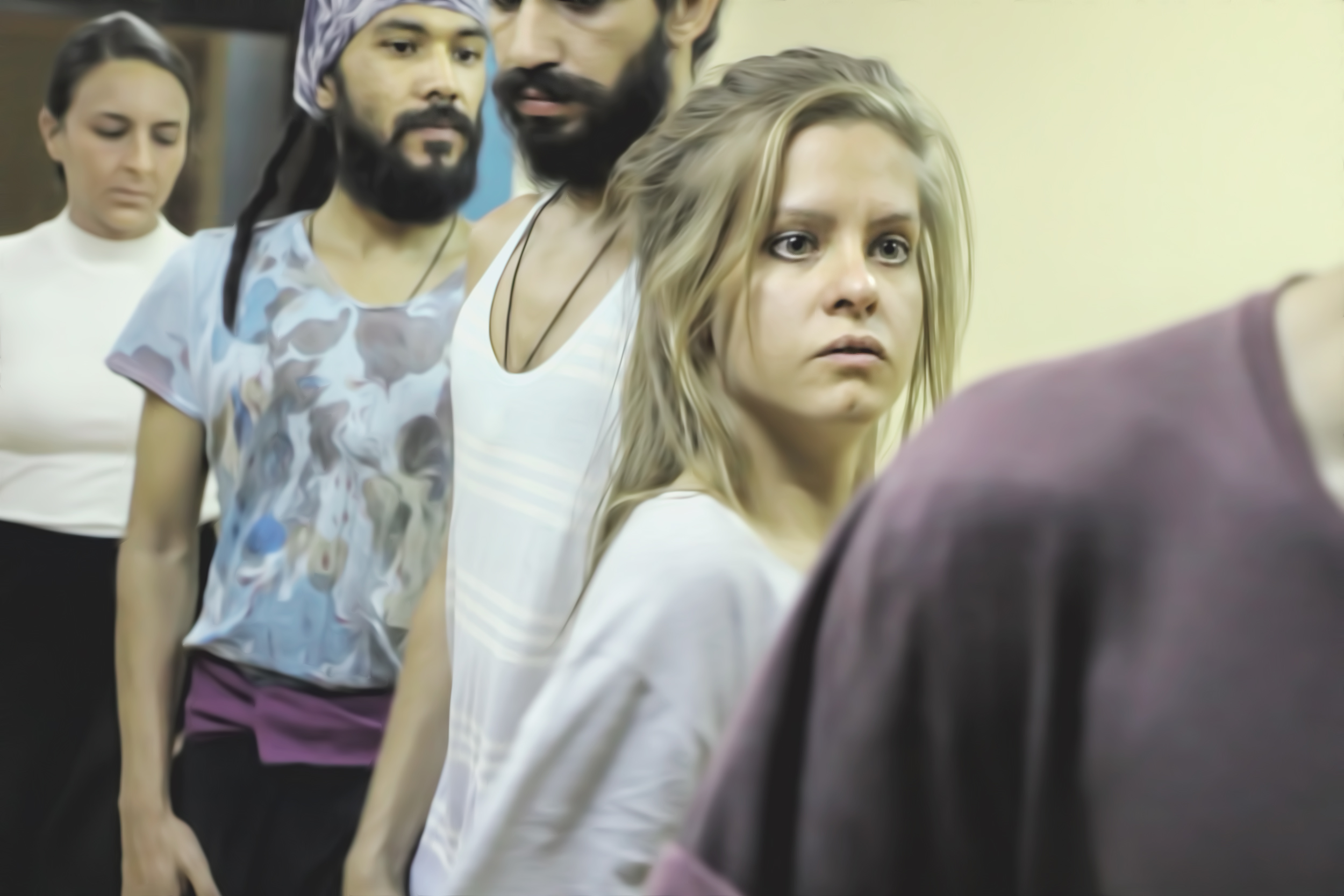
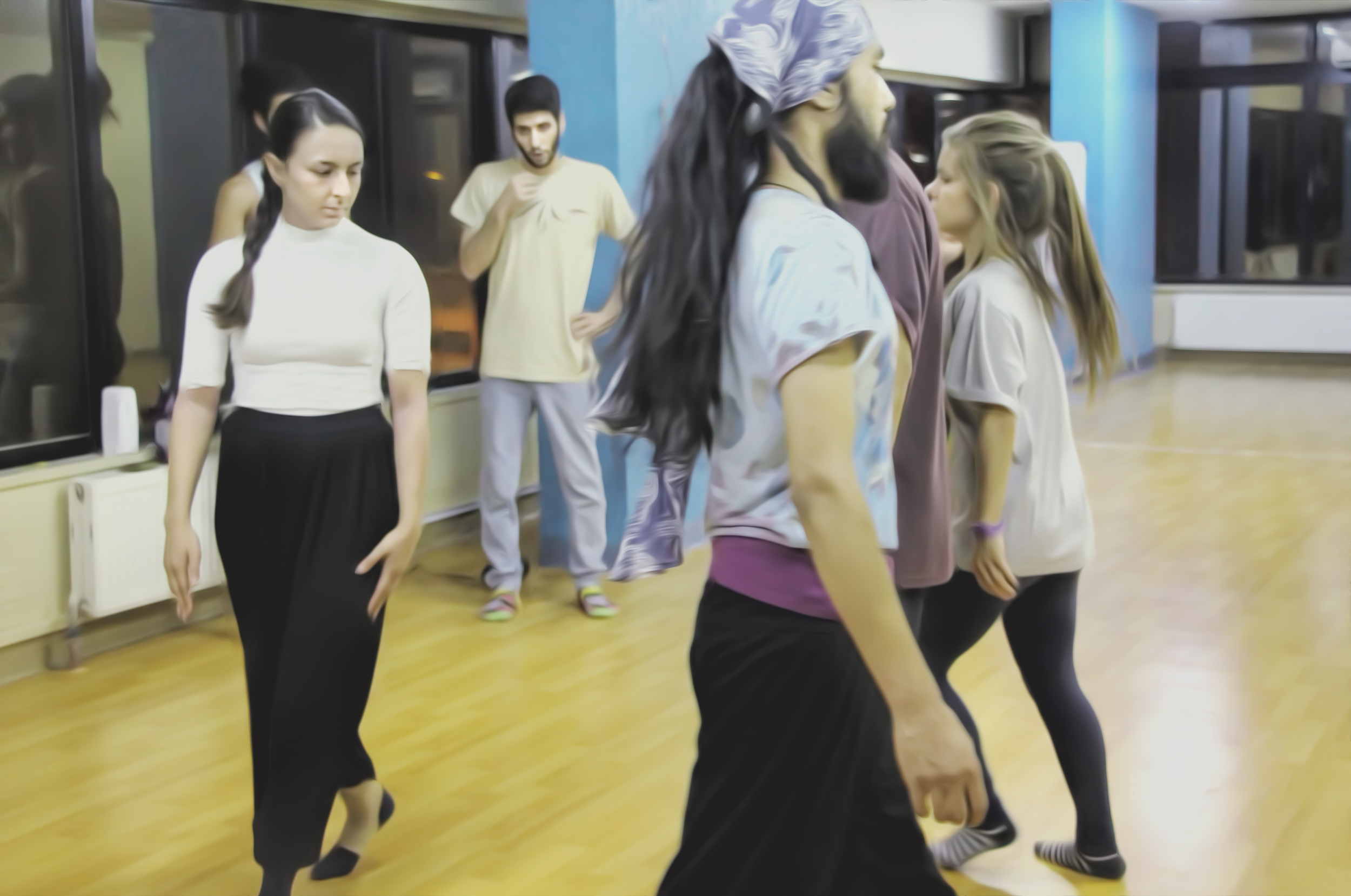
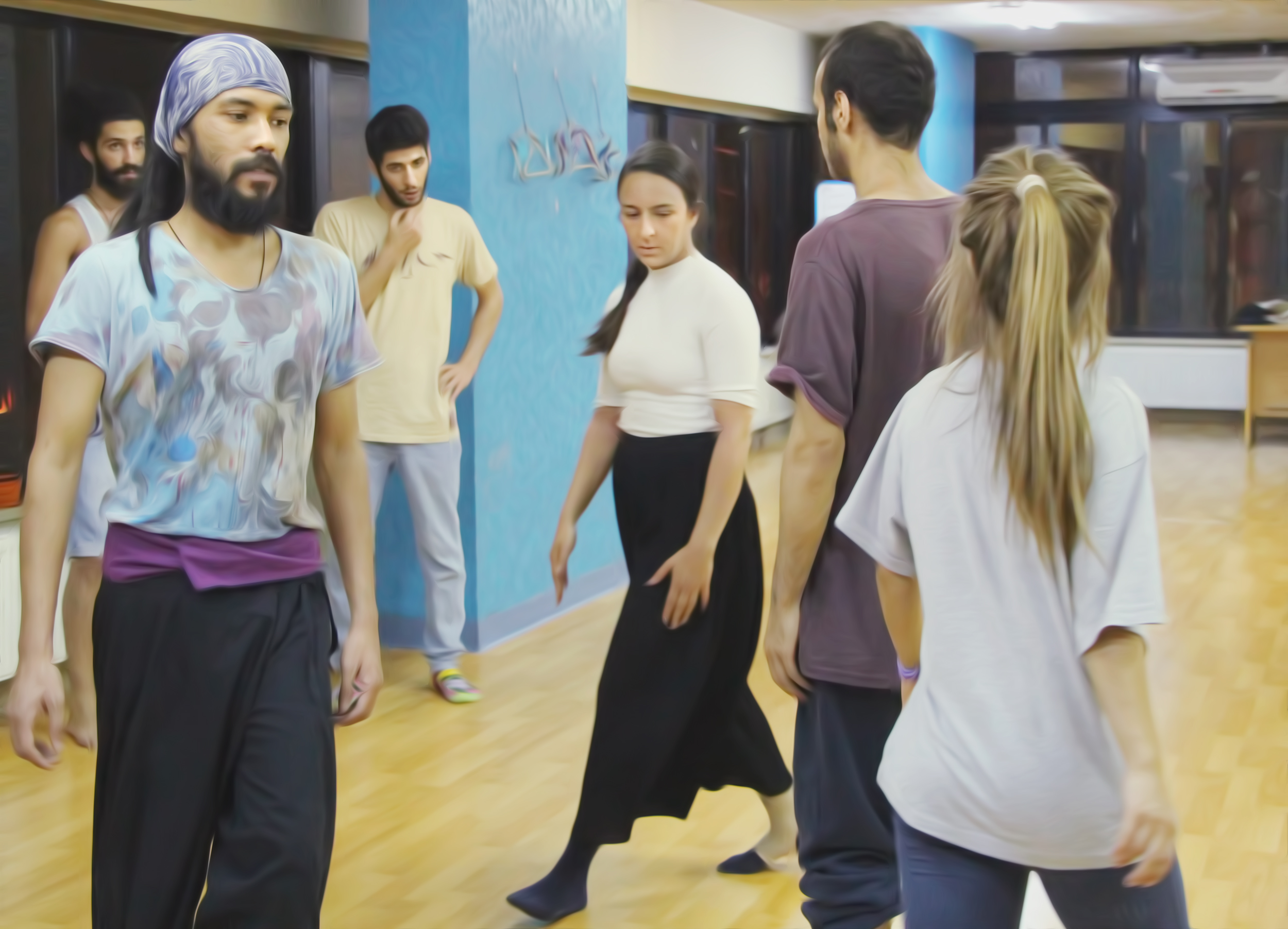
Choreographic Process: July 4

Choreographer: Abd Al Hadi Abunahleh

  • Location: Studio 8, Amman, Jordan
  • Duration: 80 minutes
  • Starting: 20:10 pm
  • Ending: 21:30 pm

Dance and Mathematics, while displaying many degrees of separation today, were both founded as ways of explaining and creating dialogue with the natural world.

Mathematics is present in dance.

If mathematics is a study of pattern, then dance choreography can be described using mathematics.

Geometry is perhaps the most apparent subfield of mathematics present in dance. Each dance has its own characteristic way of applying mathematical concepts.

Mathematics originated from the desire to use concrete relationships to better describe and explain the natural world. Modern clock time originated from the mathematical investigations into the relationship between the Earth and the Sun while the modern Gregorian calendar was derived from the relationship between the Earth and the Moon.

The relationship of the highly subjective field of dance and the pragmatic field of mathematics has not yet fully been explored.

Geometry’s inherent connection to the moving body has also been studied by several dance and design scholars. Most important among them are two German artists: Oskar Schlemmer, a Bauhaus influenced choreographer, artist, architect and costume designer, and Rudolph von Laban, founder of the most widely used notation system in dance: Laban Movement Analysis – a system of documenting a dance with symbols or descriptions based on the dance’s effort, time and space. Schlemmer and Laban both kept geometric ideas, and Platonic solids in particular, at the core of their movement and design philosophies.

Geometry and dance are fundamentally connected.

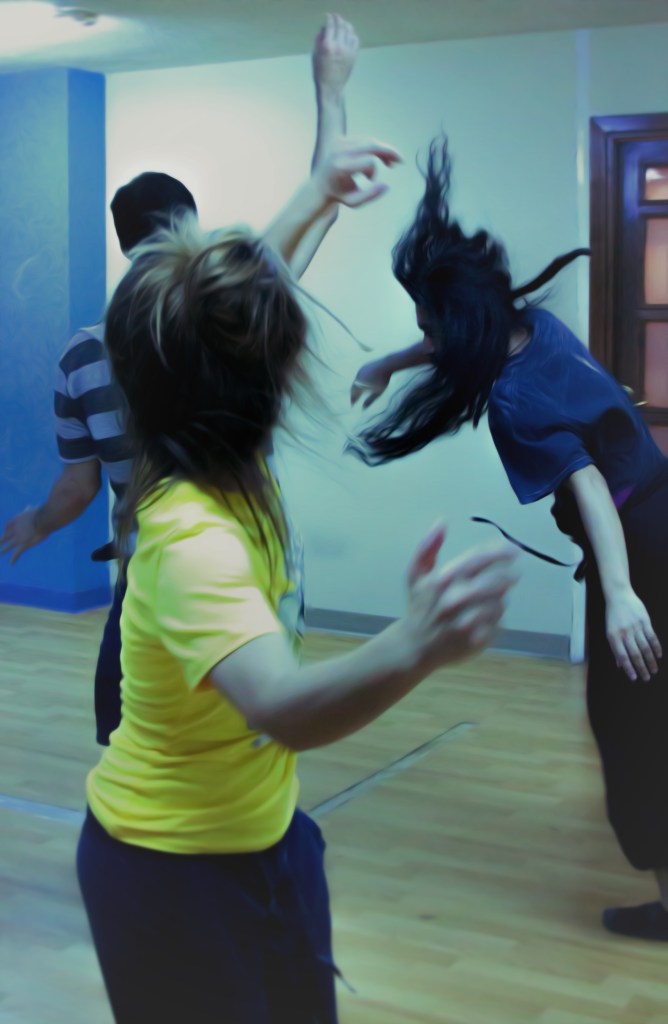
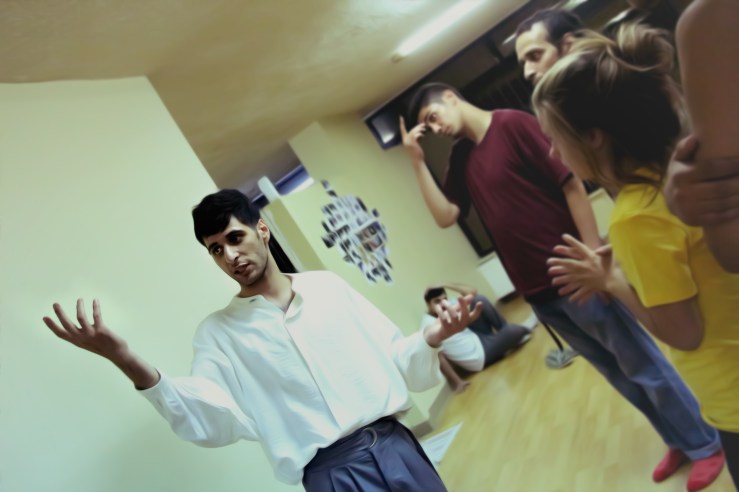
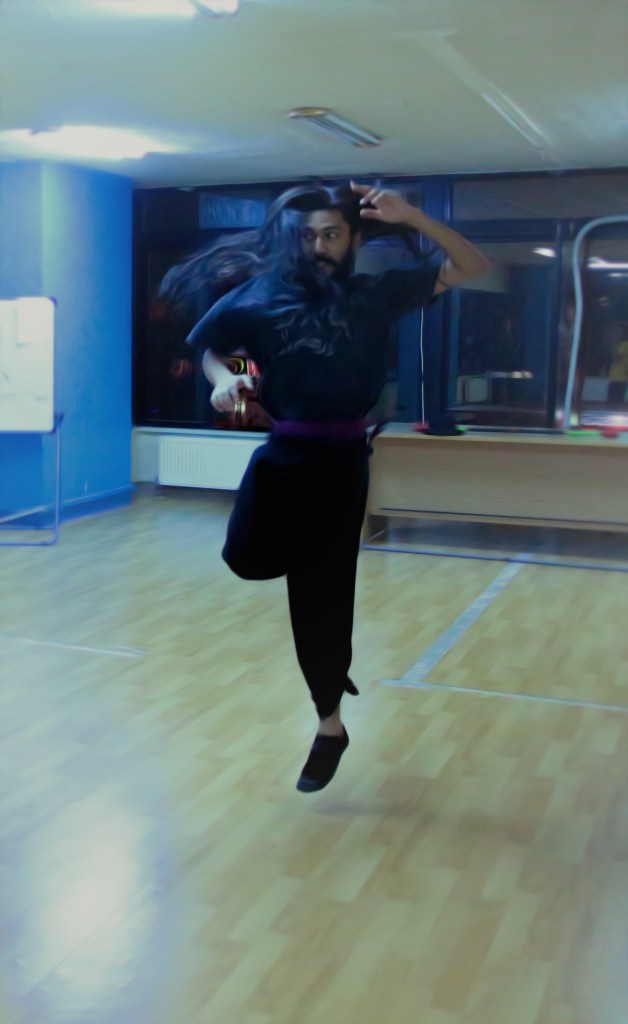
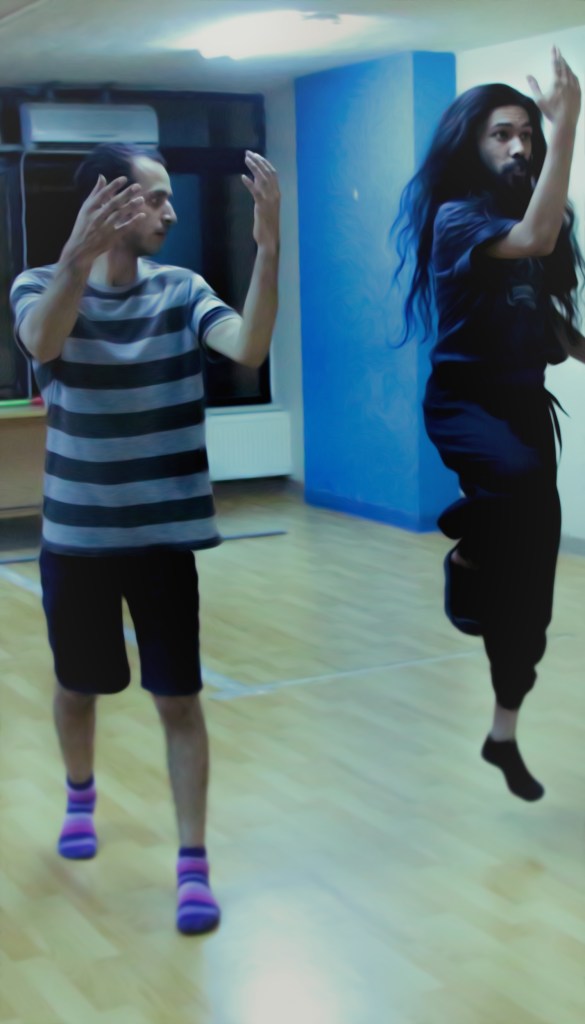
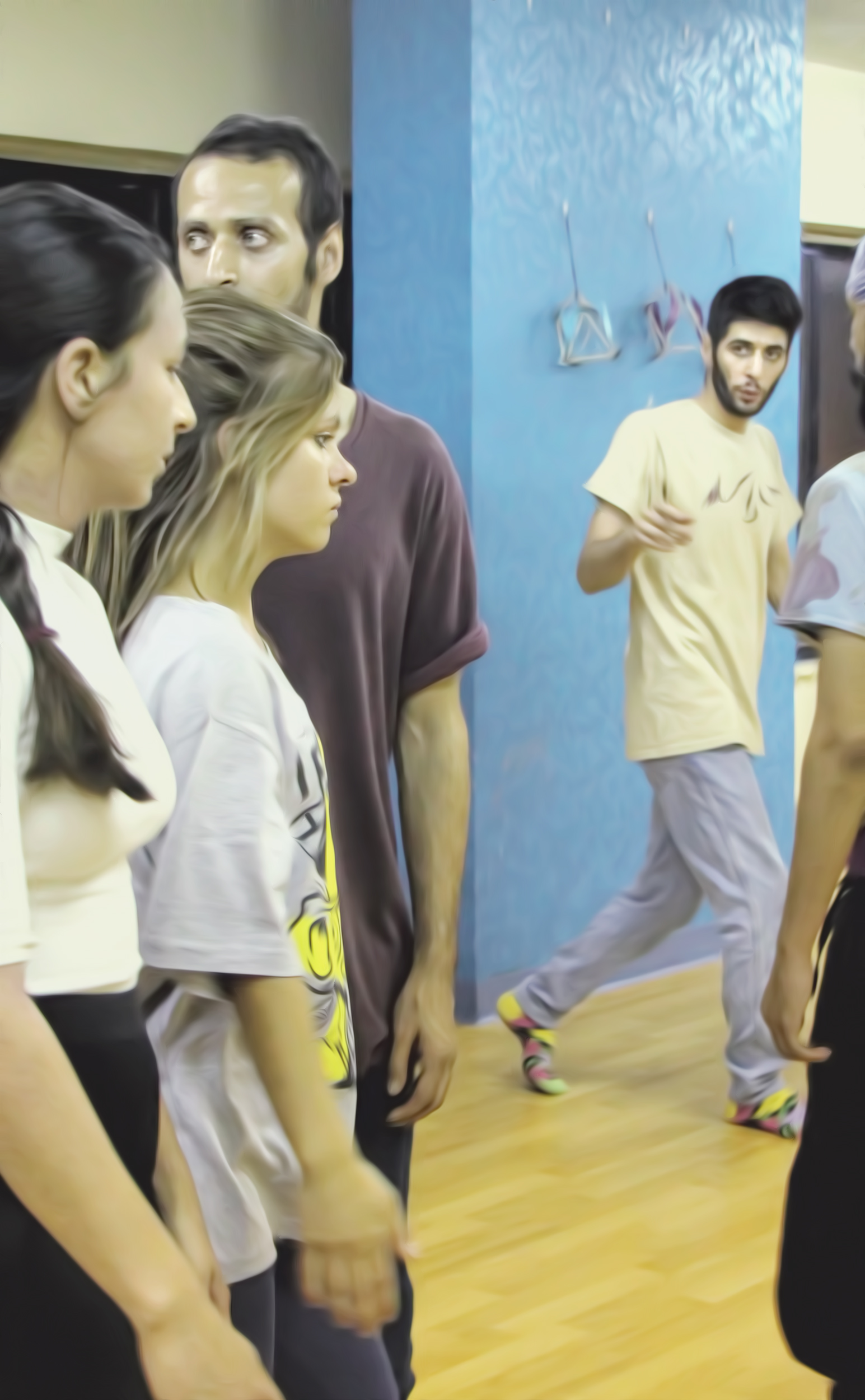
Choreographic Process: June 26

Choreographer: Abd Al Hadi Abunahleh

  • Location: Studio 8, Amman, Jordan
  • Duration: 140 minutes
  • Starting: 19:40 pm
  • Ending: 22:00 pm

What is the role of conceptualization in the artistic practice?

This session is an attempt to reflect on the relation between theory and practice, philosophy and art, and the role of conceptualization in dance and choreography.

How to practice theory? In which way is art a form of theory?

What is main driving forces motivating our journey? Have we ever observed how our obsessions or needs become the detonator of our artistic research.

How do we translate a concept, an idea, a problem into a series of exercises, which will allow us to experience each others´ practices from tangible physical/performative situations?

YOKO SEYAMA

http://www.yokoseyama.com/index.html

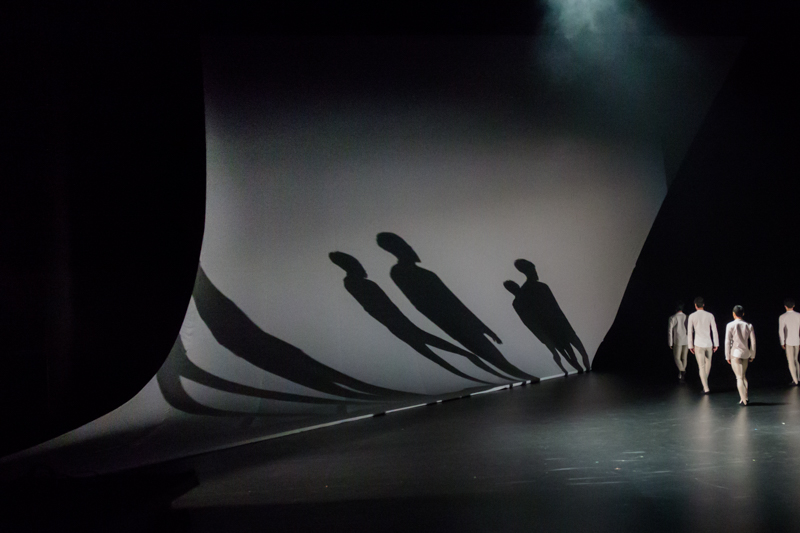
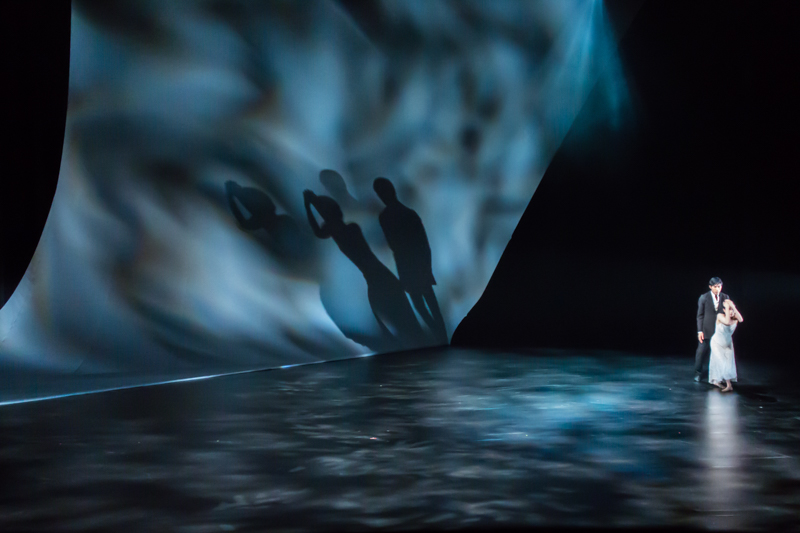
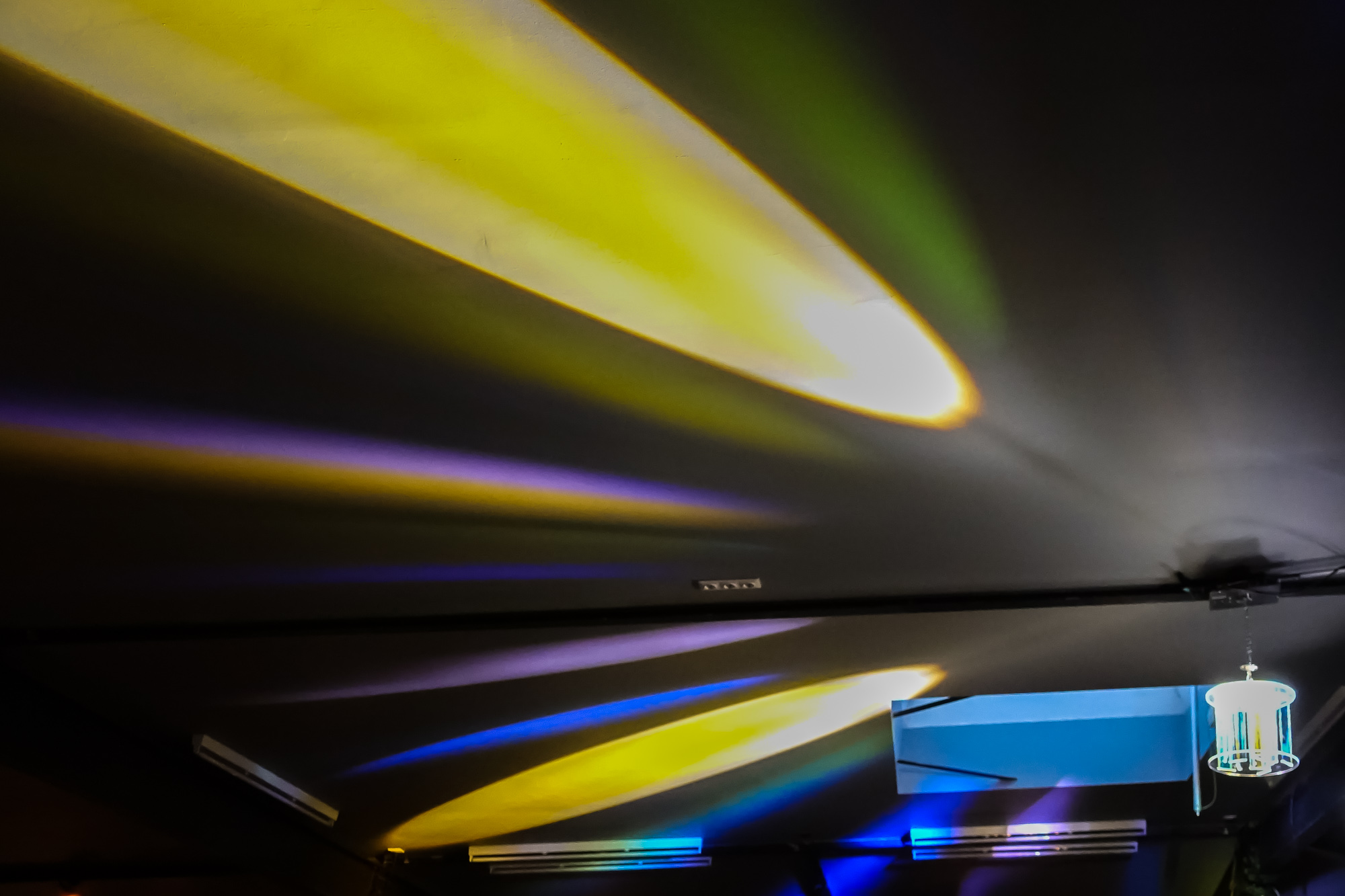
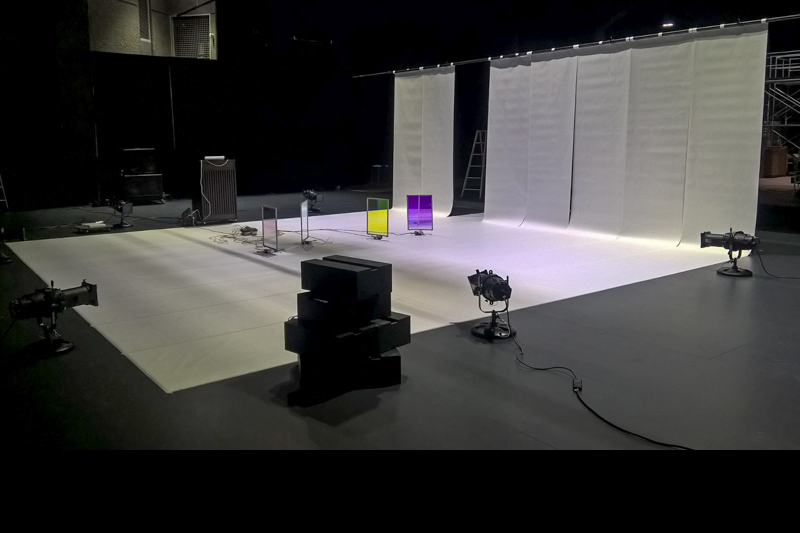
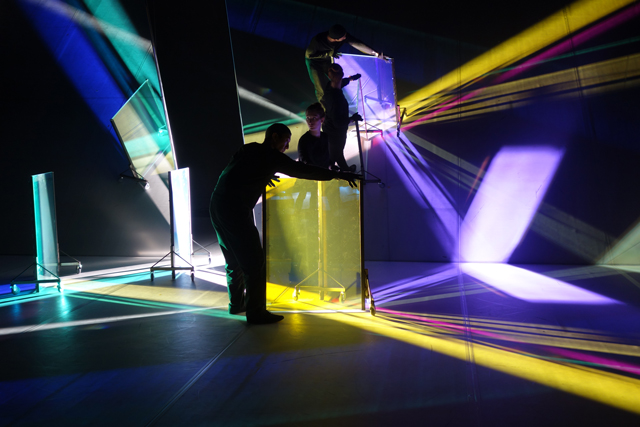
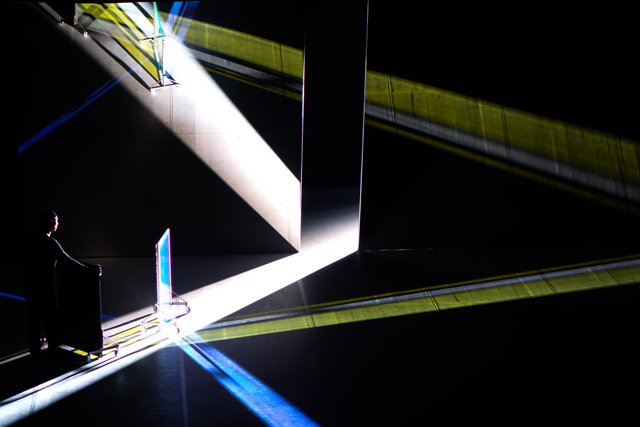
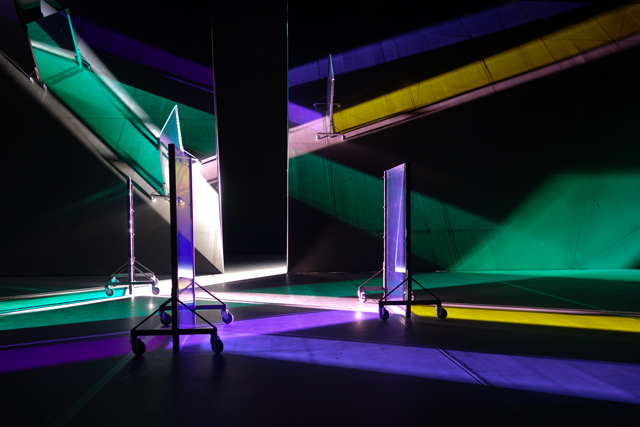
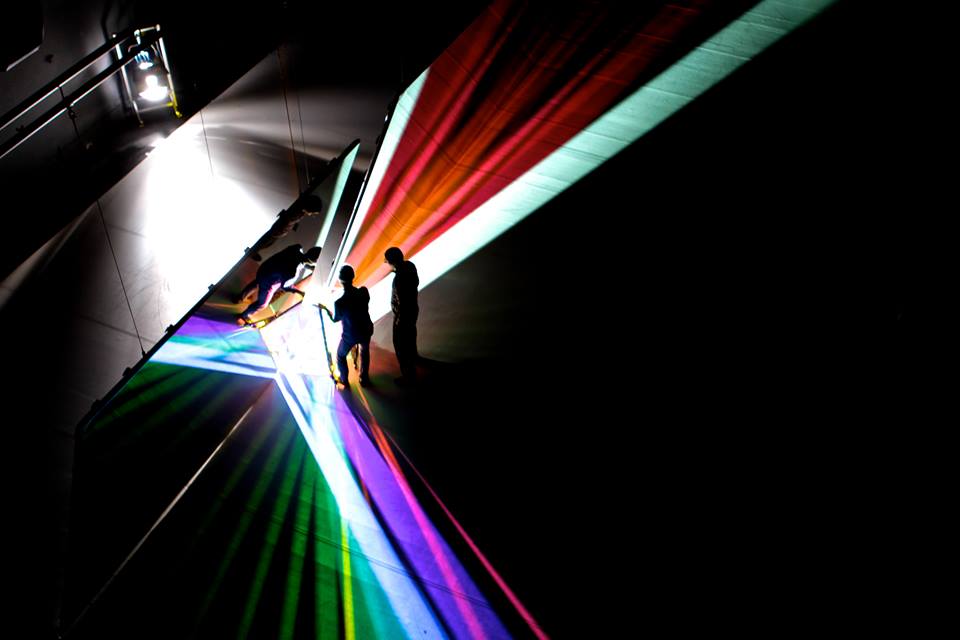
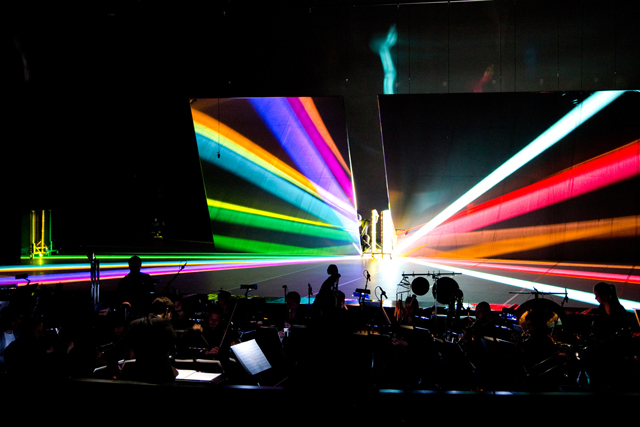
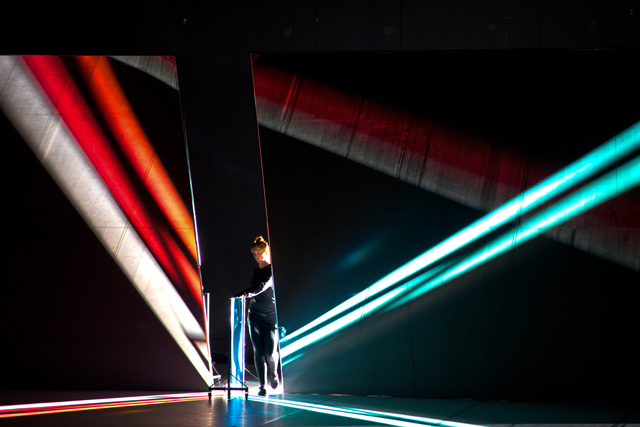
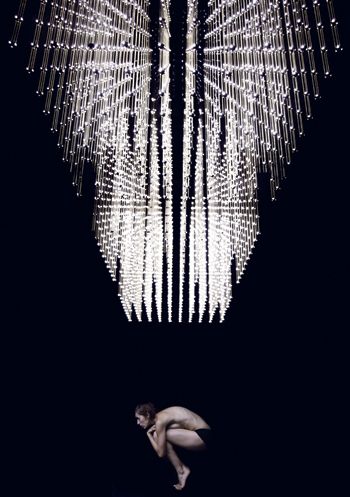
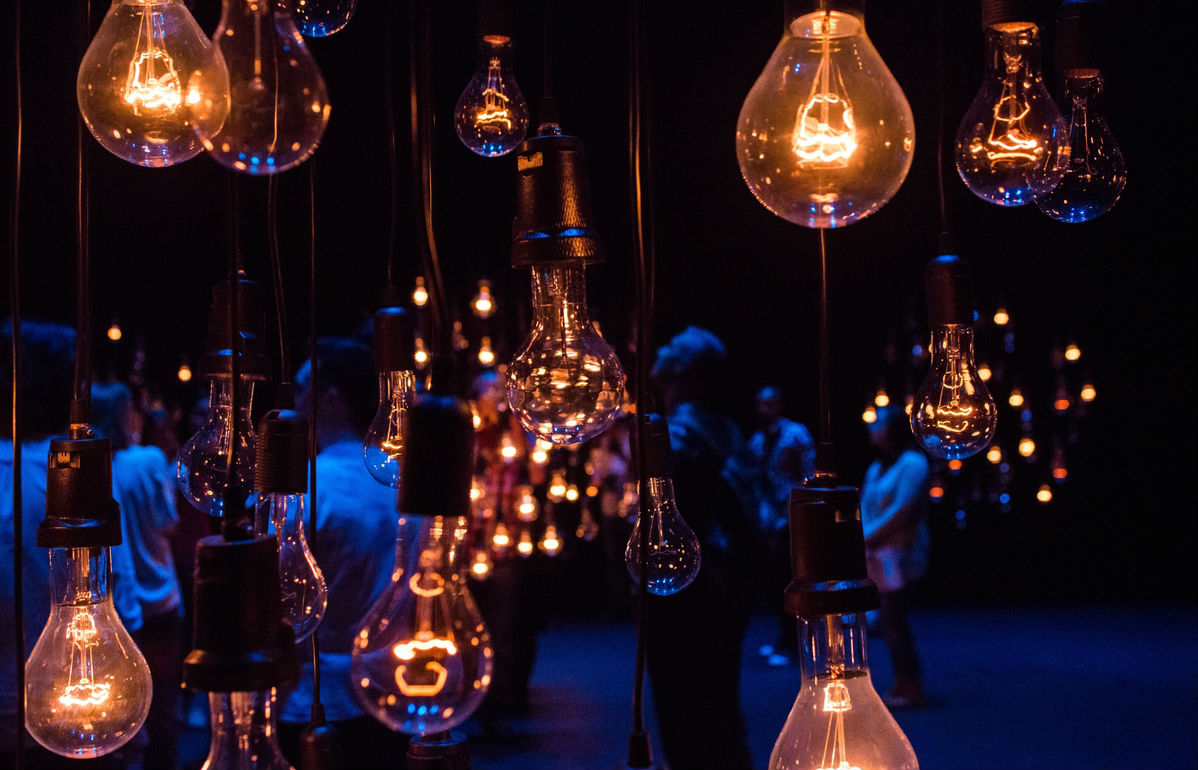
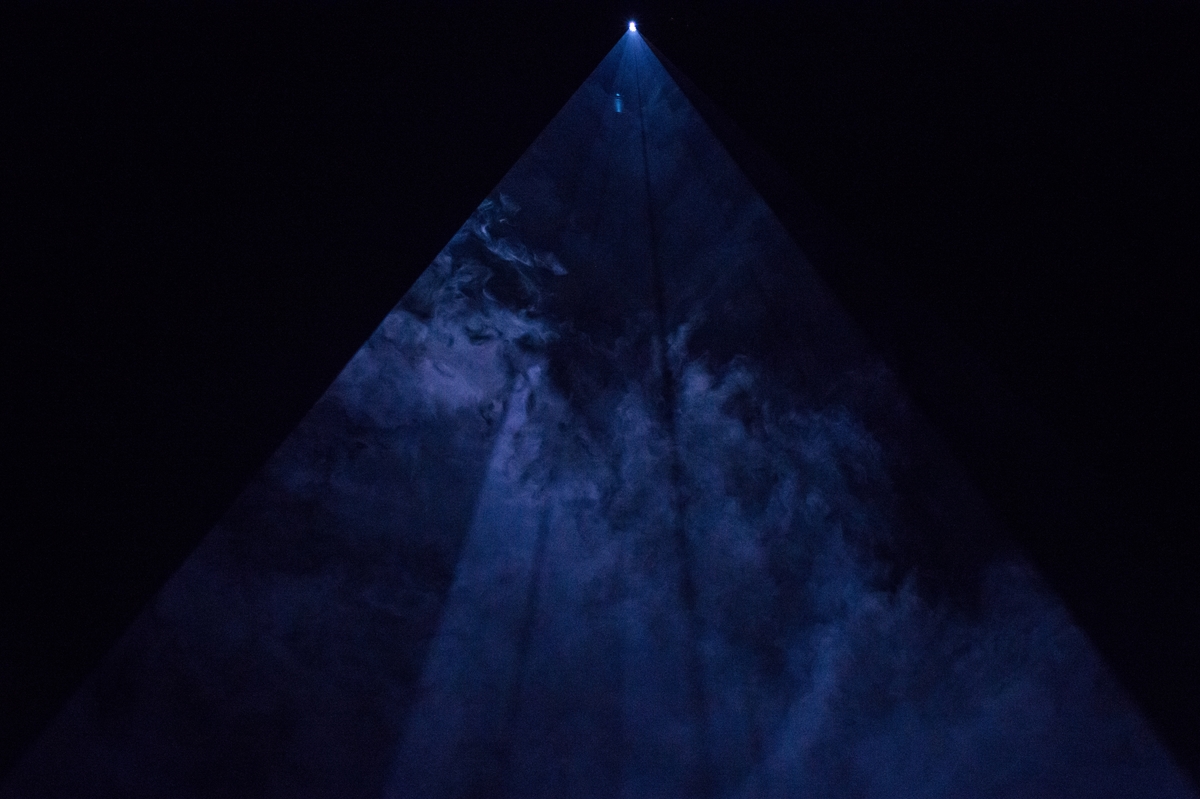
Light is key for Berlin-based Japanese scenographer and multimedia artist Yoko Seyama. Her latest installation “Saiyah – Light and Color composition #2” is a kinetic light sculpture, featuring a GiantMirror by ShowTex.

The light of a light source as white as daylight is split into two colours by projection on a spectral window which only lets through a specific colour wavelength while the remaining wavelengths are reflected. With this simple mechanism, the colours are remixed over and over again to create new layers, patterns and colours of the spectrum. In total four motorised spectroscopic windows and a full mirror by ShowTex were used to create a unique interaction of moving colours.

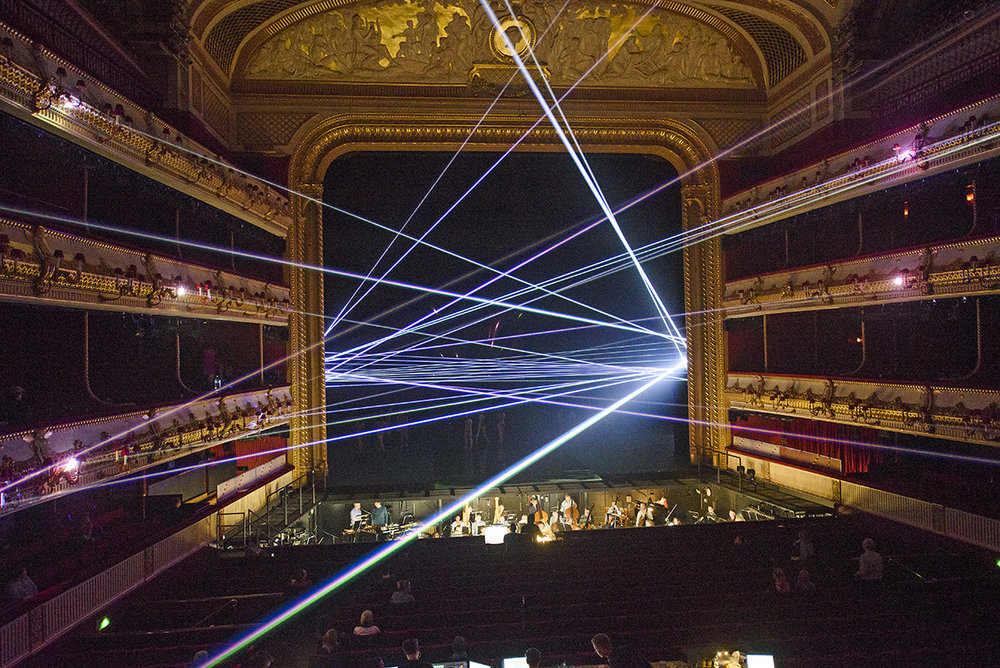
UK Lighting Designers

https://www.loesjesanders.com/lighting-designers

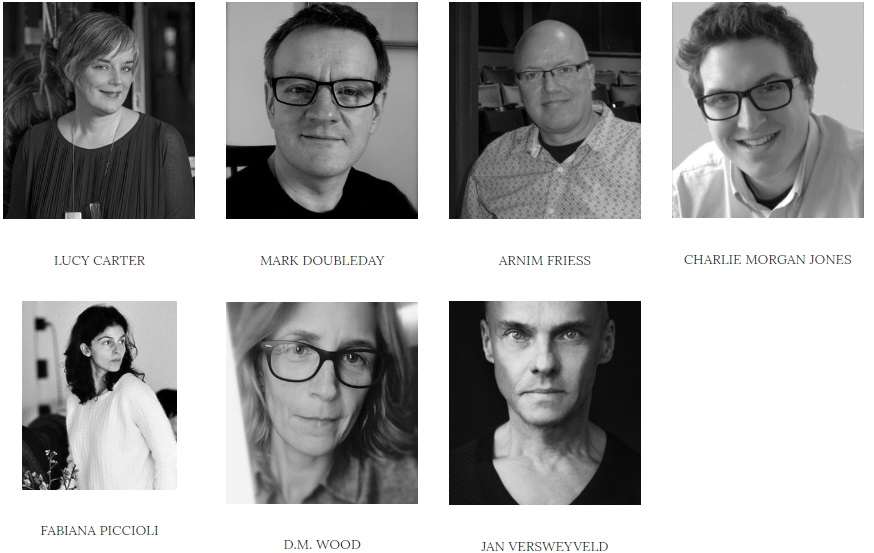
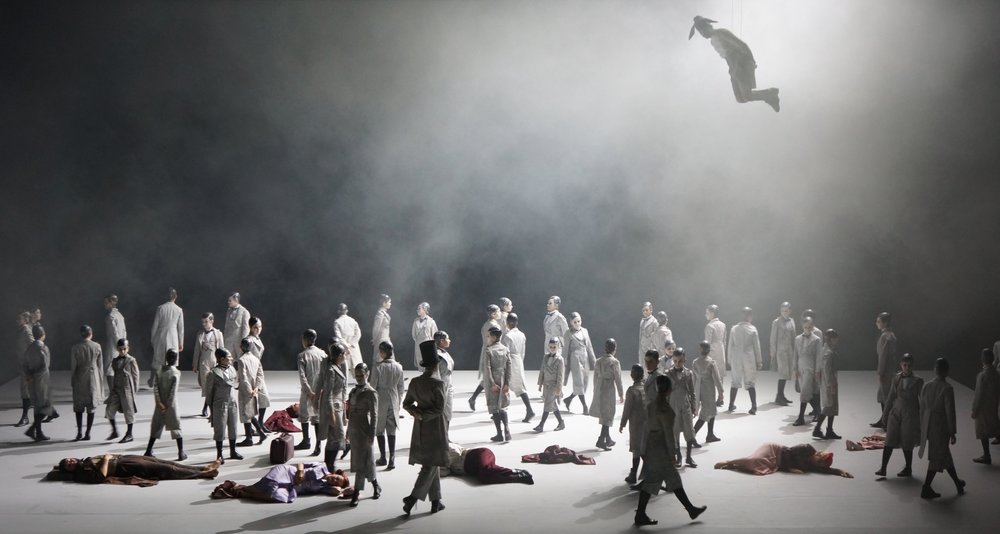
Lucy Carter

Wide images showing a scene from Part 2 of Woolf Works the World Premiere by Wayne McGregor and The Royal Ballet @ Royal Opera House. (Opening 11-05-15) ©Tristram Kenton 05/15 (3 Raveley Street, LONDON NW5 2HX TEL 0207 267 5550 Mob 07973 617 355)email: tristram@tristramkenton.com

D.M. Wood

Charlie Morgan Jones

http://www.charliemjones.co.uk/

Fabiana Piccioli

Fabiana Piccioli trained as a dancer while studying Philosophy in Rome.

Between 2000 and 2002 she started her dancing career in Belgium before moving back to Rome to join the Romaeuropa Festival as production manager.

In 2005 she moved to London joining the Akram Khan Company as Technical Director and Lighting Designer, touring with the company worldwide.

Since 2010 she has collaborated with other international artists and choreographers as a freelance Lighting Designer.

https://www.loesjesanders.com/fabiana-piccioli


iTMOi 
(in the mind of igor)

Artistic Director/Choreographer: Akram Khan

Lighting Designer: Fabiana Piccioli

Michael Hulls

Michael trained in dance and theatre at Dartington College. Over the last 20 years Michael has worked exclusively in dance, particularly with choreographer Russell Maliphant, and established a reputation as a “choreographer of light”.Michael trained in dance and theatre at Dartington College.

https://www.michaelhulls.com/
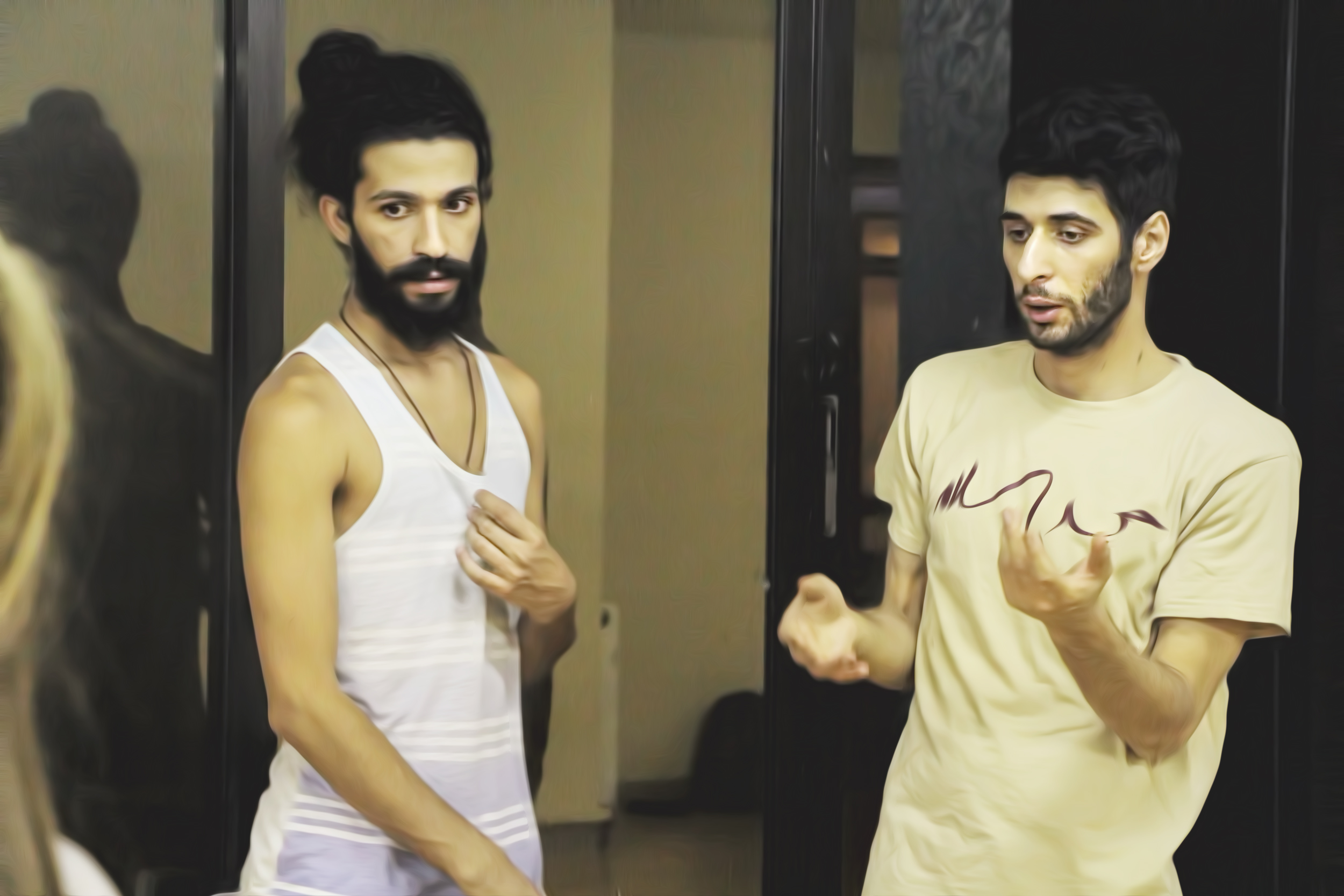
“Hulls’s dazzlingly beautiful but intangible edifices”

DESH

Direction, Choreography and Performance – Akram Khan

Visual Design – Tim Yip

Lighting Design – Michael Hulls

The Rodin Project

CHOREOGRAPHY: Russell Maliphant

LpIGHTING & PROJECTION DESIGN: Michael Hulls

Vespertine

Choreography & costumes: Liam Scarlett

Lighting design: Michael Hulls

Aideen Malone

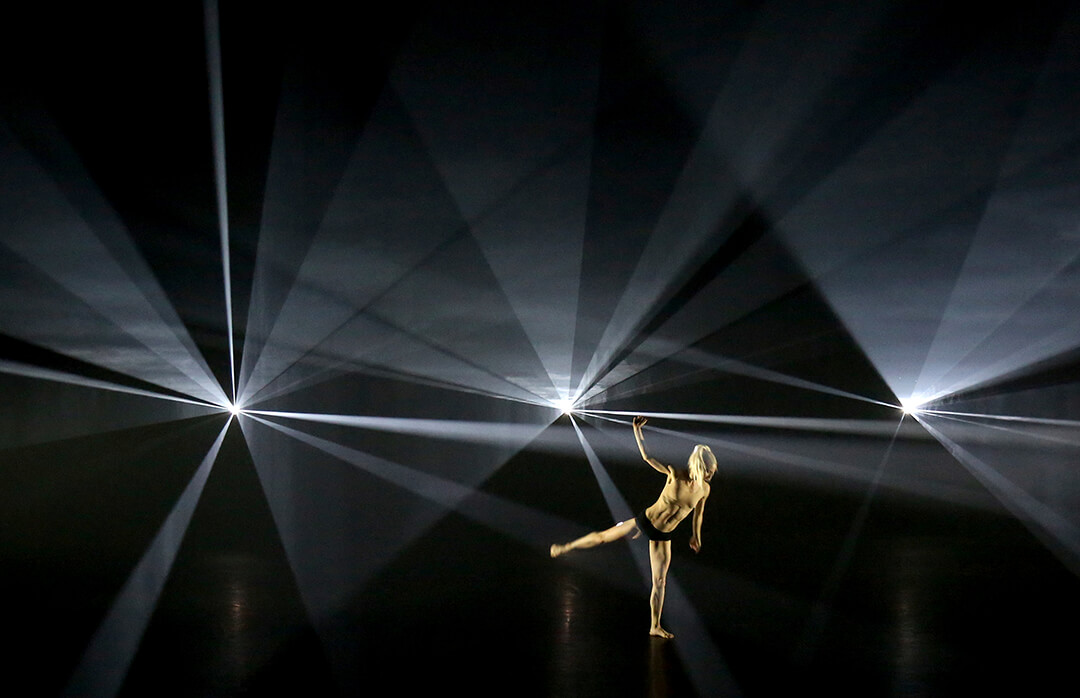
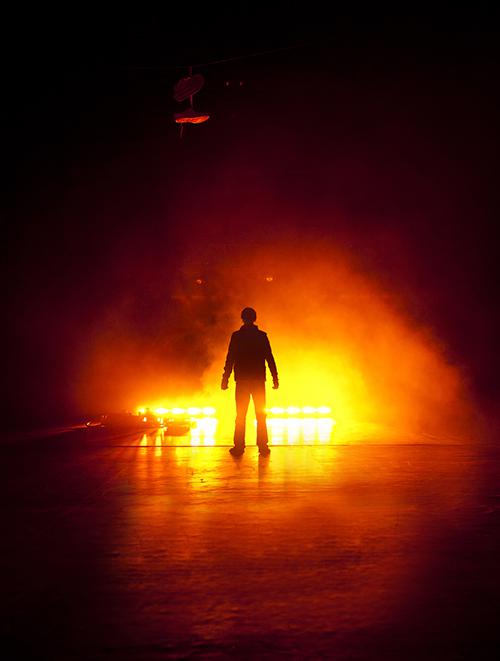
“The stage becomes a dynamic energy field, lit from smouldering to fire by Aideen Malone”

Aideen has the pleasure of collaborating on a rich variety of projects in theatre, dance, opera, site specific and installation. She studied Drama and Theatre at Trinity College Dublin and Goldsmiths College, University of London.

She enjoys working closely with a team to create work that “plays with your senses” on all levels. Aideen carefully develops her lighting designs on every project ensuring it is integral to each piece of work.

She looks forward to new and exciting collaborations in the future.

http://www.aideenmalone.com/