Extracted passages from journals about Liminality Vol. 2

The intelligent body ceases to be: intelligence and bodilyness are sundered, unable to ground or defend each other or themselves.

Antistructure is constituted by liminality and communitas.

Seeing structural invisibility as an important aspect of liminality makes clear why victims of ethnocentric racism are never seen as liminal subjects.

Structure/Antistructure and Agency Under Oppression | Author(s): Maria C. Lugones | Published by: The Journal of Philosophy | Oct., 1990
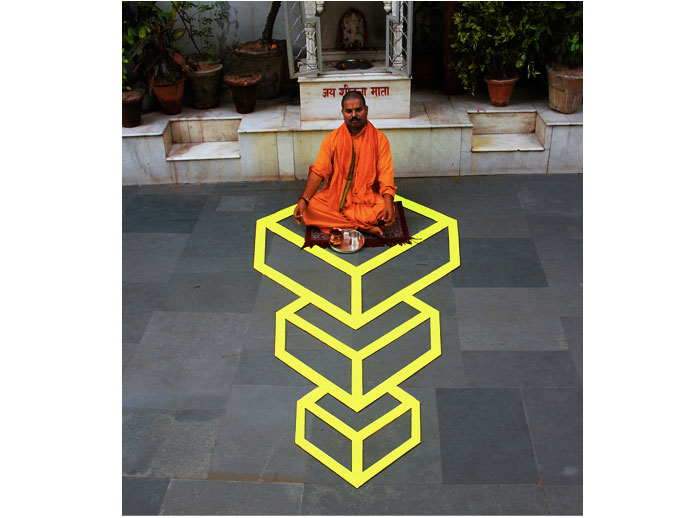

Liminality is both more creative and more destructive than the structural norm.

As well as the betwixt-and-between state of liminality there is the state of outsiderhood, referring to the condition of being either permanently and by ascription set outside the structural arrangements of any given system, or being situationally or temporally set apart, or voluntarily setting oneself apart from the behavior of status-occupying, role-playing members of that system.

Such outsiders would include, in various cultures, shamans, diviners, medi ums, priests, those in monastic seclusion, hippies, hoboes, and gypsies. They should be distinguished from “marginals,” who are simultaneously (by ascription, optation, self-definition, or achievement) of two or more groups whose social definitions and cultural norms are distinct from, and often even opposed to, one another.

These would include migrant foreigners, second generation Americans, persons of mixed ethnic origin, parvenus (upwardly mobile marginals), migrants from country to city, and women in a changed, nontraditional role.

What is interesting about such marginals is that they often look to their group of origin, the so-called inferior group, for communitas, and to the more prestigious group in which they mainly live and in which they aspire to higher status as their structural reference group.

Sometimes they become the radical critics of structure from the perspective of communitas, sometimes they tend to deny the affectionally warmer and more egalitarian bond of communitasโ€ฆ. Marginals like liminars are also betwixt and between, but unlike ritual liminars they have no cultural assurance of a final stable resolution of their ambiguity.

From Limen to Border: A Meditation on the Legacy of Victor Turner for American Cultural Studies | Author(s): Donald Weber | Published by: American Quarterly | Sep., 1995
Extracted passages from journals about Liminality Vol. 1

From the child’s point of view, games are not simply part of life; rather, all life is a game.

The perception of the world of a child at play is double… He inhabits a world in which “reality” and “unreality” coexist. โ€ฆ. a child’s world is closely connected with [the concepts of] “passion,” “imagination,” “dreams.” Its links with the unconscious are many, and it should perhaps be interpreted in the same way as mythology and archaic mentality.

Folk Culture and the Liminality of Children | Author(s): Yoshiharu Iijima | Published by: The University of Chicago Press on behalf of Wenner-Gren Foundation for Anthropological Research | Aug. – Oct., 1987


I have not attempted a historical reconstruction of the order of events in David’s return from his Trans-Jordanian exile; I am, for the purposes of this study, uninterested in what David actually did.

David’s crossing of the river in forms the transitional stage of this smaller, nested rite of passage, after which his various inter actions with his subjects-Mephibosheth, Shimei, the Judahites and Israelites-serve to reincorporate the king into the community.

โ€ฆ any person who considers that he has been wronged by the chief elect in the past is entitled to revile him and most fully express his resent ment, going into as much detail as he desires. The chief-elect, during all this, has to sit silently with downcast head, “the pattern of all patience” and humility โ€ฆ The chief may not resent any of this or hold it against the perpetrators in times to come.

The Left Bank of the Jordan and the Rites of Passage: An Anthropological Interpretation of 2 Samuel XIX | Author(s): Jeremy M. Hutton | Published by: Brill | Accessed: Oct., 2006

Yoann Bourgeois

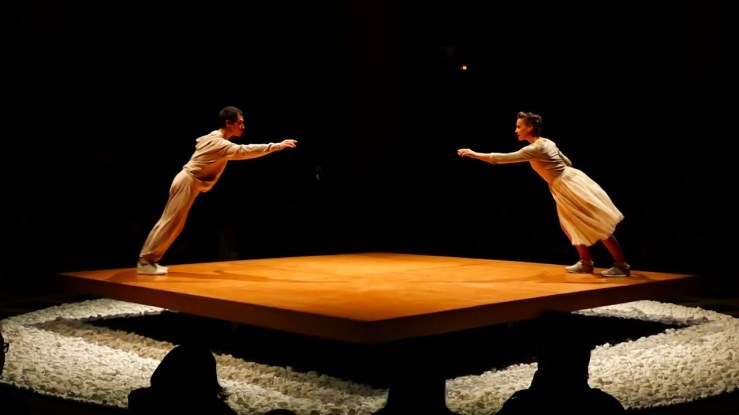
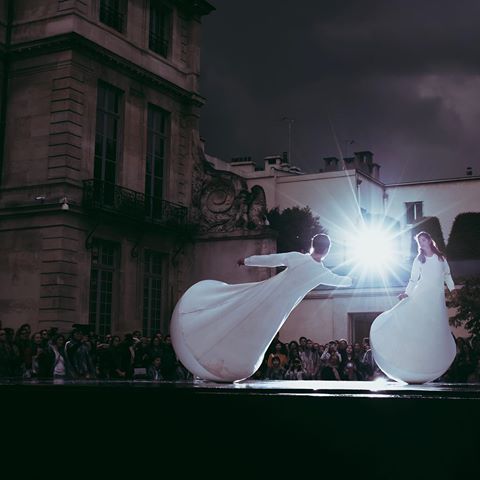
Celebrated around the world as a unique, innovative and groundbreaking artist, Yoann Bourgeois is hailed for his spellbinding, dazzling, and though-provoking works.

Acrobat, juggler, dancer, actor, directorโ€ฆYoann Bourgeois defines himself above all as a lover of all things play. His work is articulated around reality and the imaginary.

Yoann Bourgeois enjoys appropriating all kinds of places. His work on movement and balance has been presented in historic buildings, parks, urban wastelandsโ€ฆ

โ€œI develop my projects in accordance with the space I occupyโ€, he says. โ€œIt is they who inspire me to write dramaturgy and not the other way aroundโ€.

https://www.instagram.com/yoann_bourgeois/

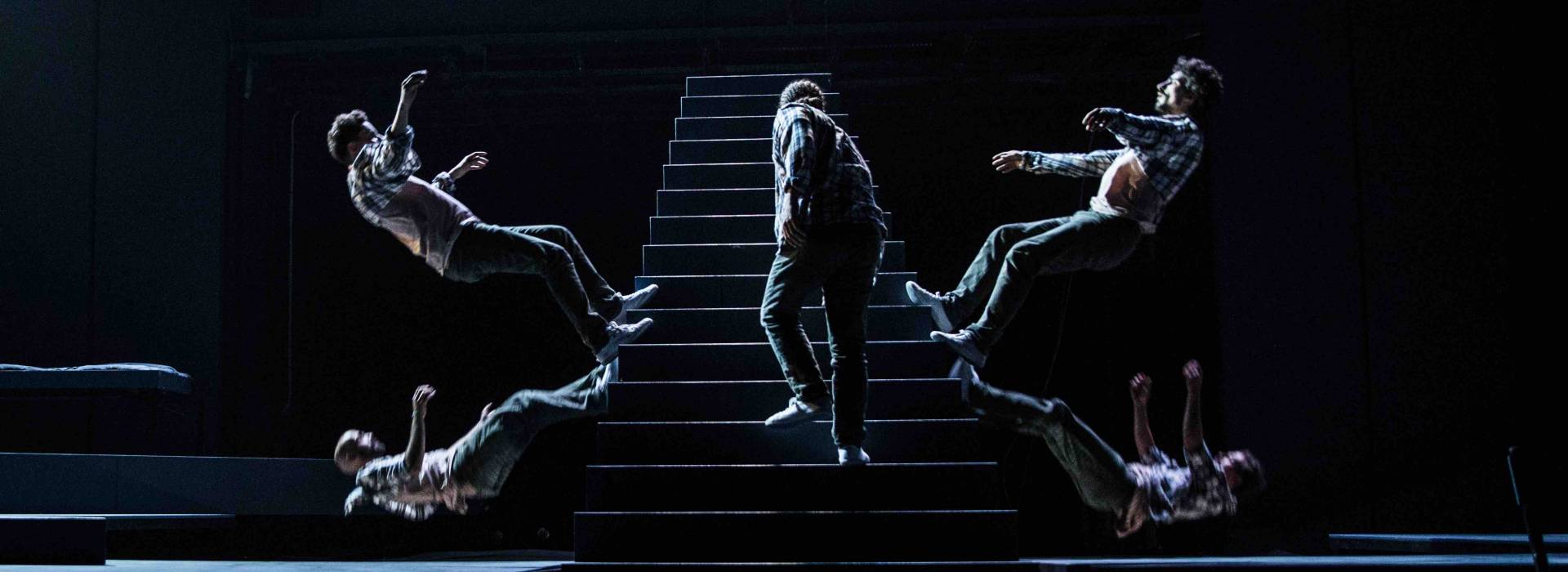
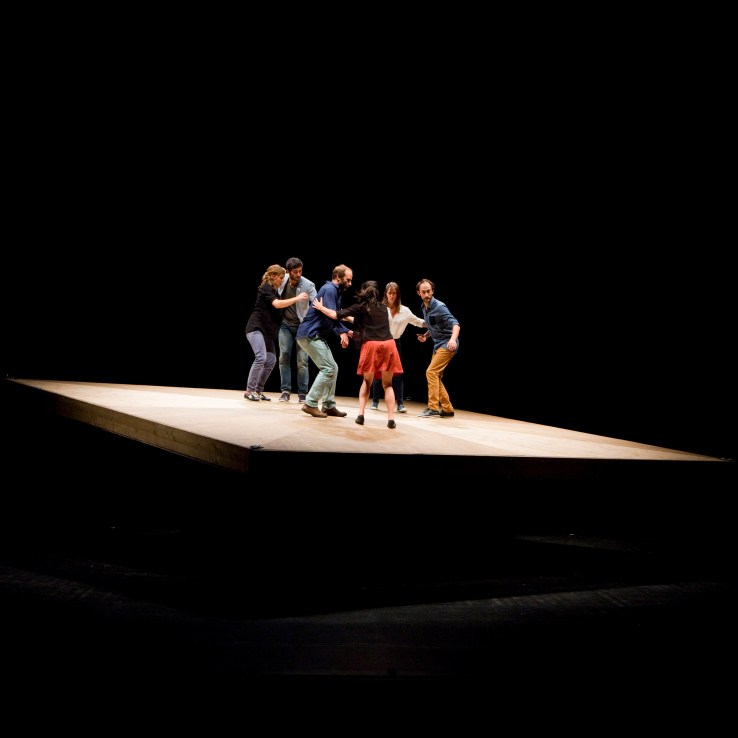
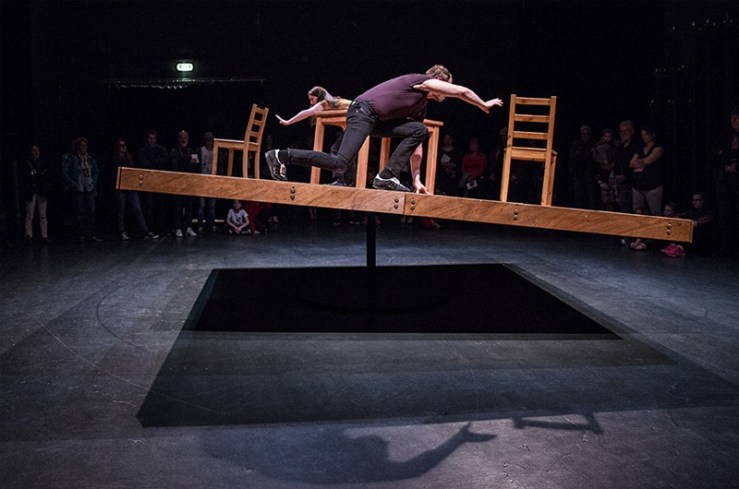
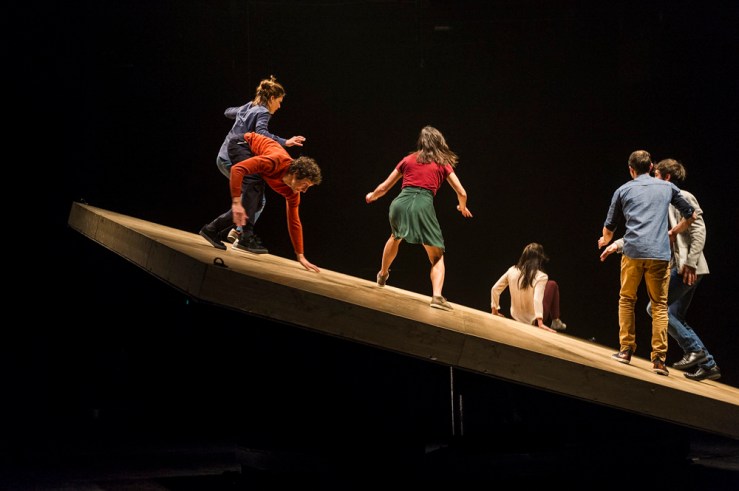
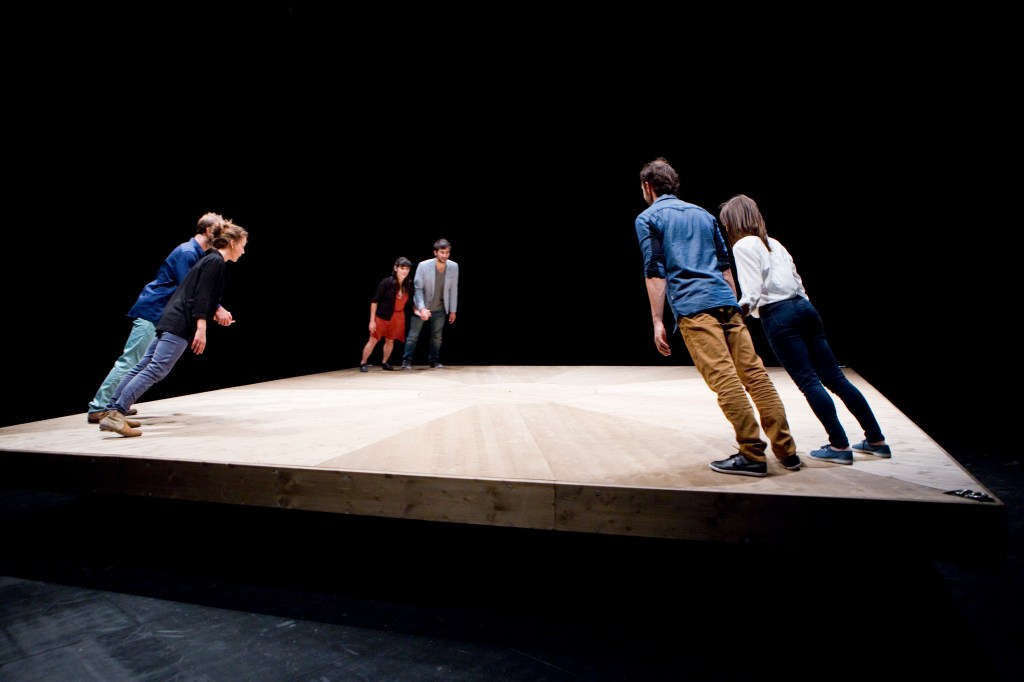
Celui Qui Tombe (He Who Falls) – a physical theatre treat and allegory for our time!

Some says it is theatre. Part circus, part dance, part narrative, the cast show off their gymnastic, athletic, choral and acting ability over the 60 minute piece of awesome physical theatre.

In a Q&A session, the cast of He Who Falls admitted that some nights dizziness is harder to avoid than others โ€“ before the they had to delicately balance on its centre point and the cast began to drop on to the floor, swing from it and dodge it as it flew from side to side across the otherwise set-free stage.

Chris Fraser

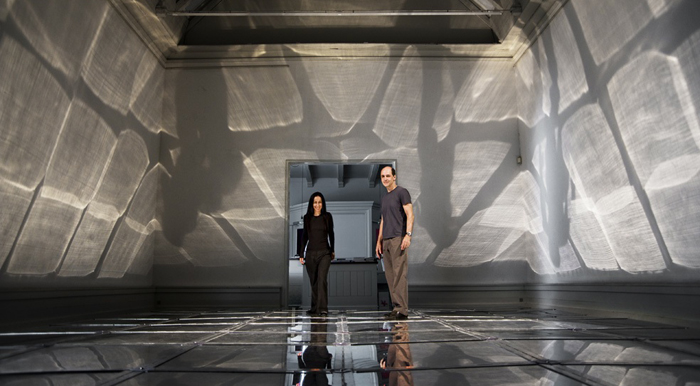
Oakland-based artist Chris Fraser

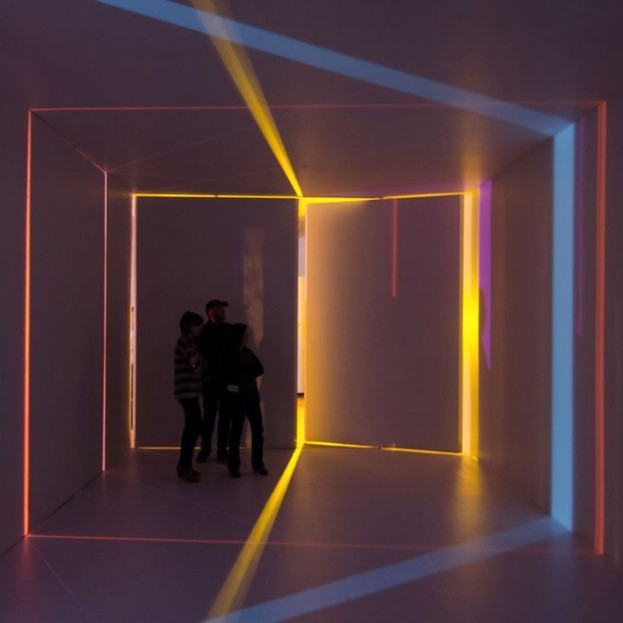
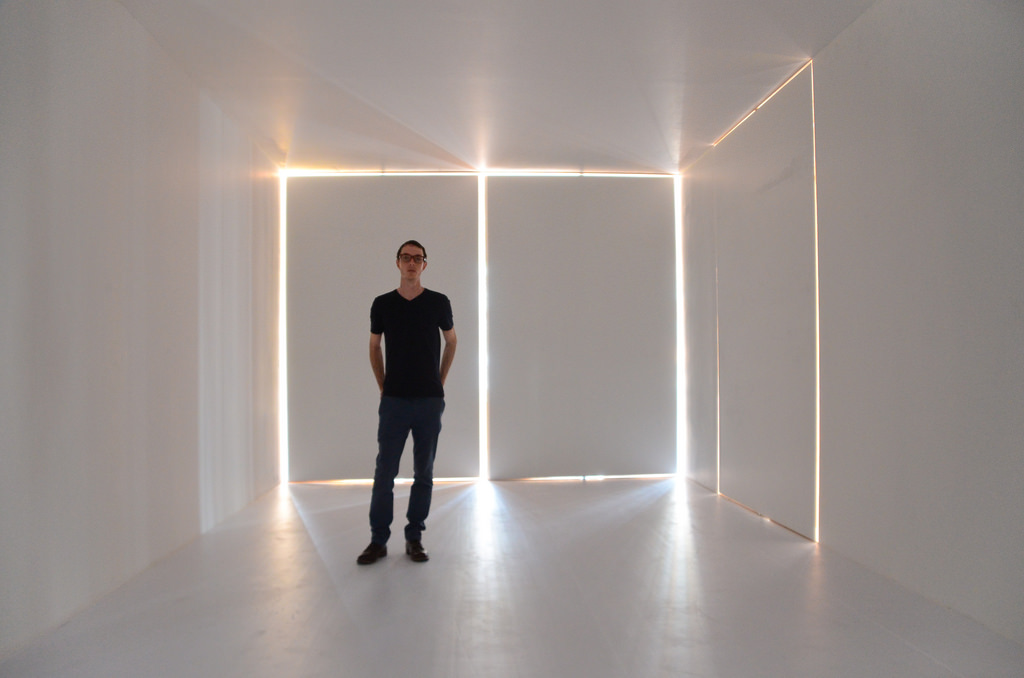
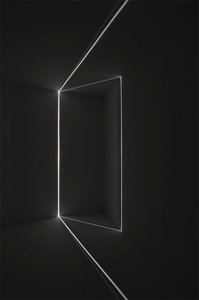
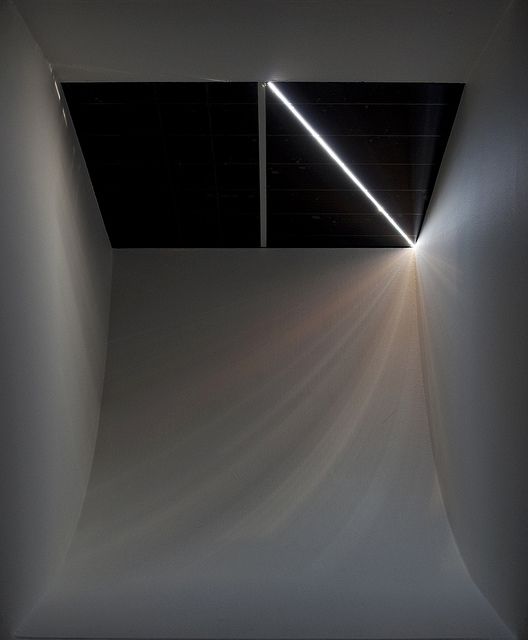
โ€œI would like my work to point back into the world…there is nothing particularly special about the light that enters these works. Echoes of this same order can be found in your home, entering your windows, skirting around furniture, slipping through a crack in the door.โ€

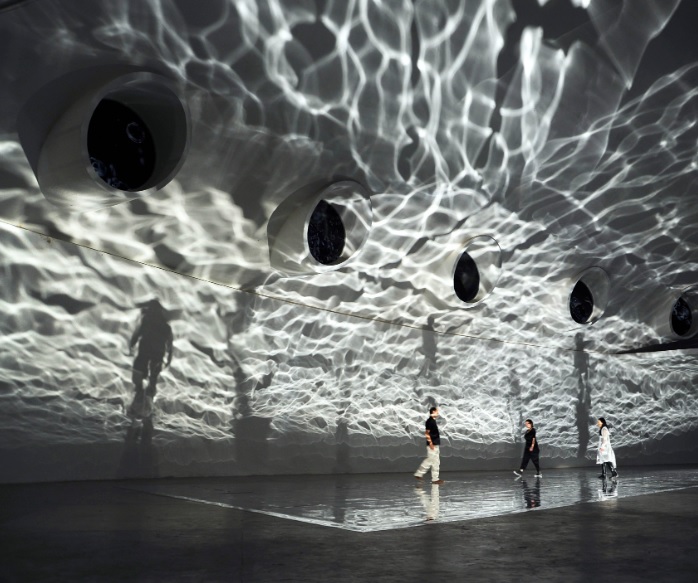
Chris Fraser constructs environments modeled on historical image-making technologies, from the camera obscura to the magic lantern. These apparatuses put objects in dialogue with their images, sacrificing broad distribution for an experience of image that is local and ephemeral.

http://www.chrisfraserstudio.com/

Archives


ALL POSTS


โ€œTime out of Time: a special placeโ€ Visual Reference – Jun 8, 2019

Rejane Cantoni & Leonardo Crescenti – Jun 18, 2019

Chris Fraser – Jun 18, 2019

Yoann Bourgeois – Jun 18, 2019

Extracted passages from journals about Liminality Vol. 1 – Jun 19, 2019

Extracted passages from journals about Liminality Vol. 2 – Jun 19, 2019

Extracted passages from journals about Liminality Vol. 3 – Jun 19, 2019

โ€œIMAGINARY SYSTEMSโ€ – Jun 19, 2019

Project Management Sheet – Jun 22, 2019

June 18 Mood board – Jun 22, 2019

Choreography Sketch Book Vol.1 – Jun 22, 2019

Dance Exhibition & Pop-up Books – Jun 22, 2019

Choreographic Process: June 19

Choreographic Process: June 22

Choreographic Process: June 24